



























Why Architecture Is More Than Just Designing Buildings
Discover how architecture goes beyond design—shaping culture, emotions, and society. Explore Architecture Courses in Mumbai for a creative future.

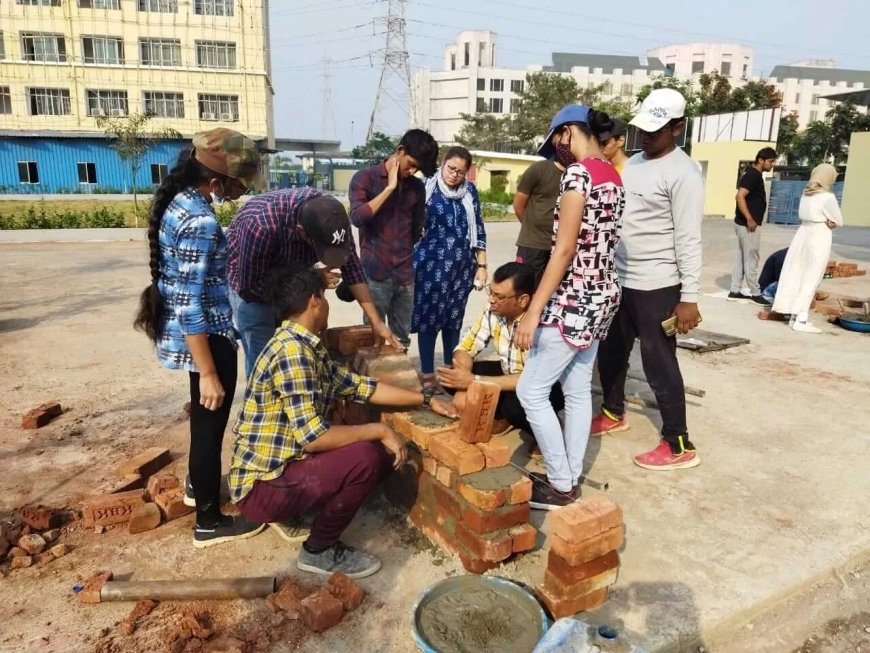
When most people think of architecture, they imagine designing buildings. However, architecture goes far beyond blueprints and facades. It is about solving complex problems, understanding human behaviour, and creating spaces that improve lives. For Indian students, especially those exploring their options through Architecture Courses in Mumbai, understanding the full scope of architecture can be eye-opening.
Architecture Reflects Society and Culture
Culture and identity have a strong influence on architecture. It is a reflection of historical influences, community requirements, and social standards. Mumbai architecture students discover how structures convey information about the people and locations in their immediate surroundings. These buildings combine innovation and tradition to create cultural statements. Architecture conveys values in addition to being technically sound.
Urban Planning and Sustainable Growth
Urban planning and modern architecture go hand in hand. Architects play a role in planning the expansion of cities. Infrastructure, parks, homes, and roads all need careful planning. Nowadays, sustainability is a major consideration. Students at Mumbai's architecture programs investigate energy-efficient techniques and environmentally friendly materials. Today, architects contribute to the creation of smarter, greener cities of the future.
Spaces That Influence Human Emotions
Every space has an impact on our emotions. Hospitals need to be serene. Learning should be promoted in schools. Houses must feel secure. Architects research the effects of design on feelings, actions, and overall health. A fundamental component of the architecture courses offered in Mumbai is this people-centric design concept. Structure is important, but so is how individuals live with it daily.
Technology Is Shaping Architectures Future
Architecture has been transformed by technology. Faster project development and detailed simulations are made possible by software tools. Building Information Modelling (BIM) and 3D printing are examples of concepts that are becoming commonplace. These tools are taught to students enrolled in Mumbai architecture courses. They are therefore more prepared for the future and can better handle changing needs in the industry.
Disaster-Resilient and Adaptive Design
Buildings must adapt in a world where climate change and natural calamities are commonplace. Architects now create buildings that are secure from earthquakes and floods. These are necessary design elements rather than extras. Adaptive architecture is taught in Mumbai architectural courses. When creating, they learn to take long-term use, weather, and location into account.
Public Spaces That Foster Community
Urban life depends on public parks, libraries, marketplaces, and community centres. People congregate in these areas. In these locations, well-designed spaces foster social peace. These gathering spots are planned by architects, who benefit society. Mumbai architecture students are urged to think socially as well as spatially.
Preservation of Heritage Through Restoration
India has a vast number of historic buildings. Careful preservation and occasional adaptive reuse are necessary for these old structures. A vital area of architecture is restoration. Mumbai architecture students study the principles and practices of cultural landmark conservation. It's a means of preserving history while incorporating it with contemporary requirements.
Interdisciplinary Collaboration Is Essential
Architecture is never isolated. Engineers, environmentalists, sociologists, and legislators collaborate with architects. It is a collaborative endeavour that requires organisation and communication. Students at Mumbai architecture courses are prepared for these real-world dynamics through group projects and studio practice. These exchanges widen viewpoints and foster inventiveness.
Designing for Accessibility and Inclusivity
Accessibility for all must be taken into account in modern architecture. This includes inclusive layouts, braille signage, and wheelchair ramps. Creating for the disabled is a creative challenge as well as a social duty. In order to make any place hospitable and functional, students enrolled in architecture programs in Mumbai are taught universal design concepts.
Architecture as a Tool for Social Change
Inequality can be addressed by architecture. Rural infrastructure initiatives, emergency shelters, and reasonably priced housing are essential. Young architects may support these worthwhile initiatives. Beyond luxury and flair, students at Mumbai's architecture programs frequently focus on community-driven design projects. They become socially conscious professionals as a result of these encounters.
Architecture Involves Constant Learning and Evolving
Architecture is not a static profession like some others. There is a constant emergence of new materials, styles, and ideologies. You have to change all the time. Students who have a solid education from Mumbai architecture courses are more adaptable and inquisitive. Success in this field requires lifelong learning.
Architecture is more than just sketching and building. It is about using design to solve human problems. It affects how people connect, live, and work. This profession gives influence, creativity, and purpose to Indian students, particularly those interested in architecture courses in Mumbai. Building structures is only one aspect of it; another is improving people's lives and communities.