


























Your Ultimate Guide to Oil Filters and Their Role in Car Performance
Discover everything you need to know in Your Ultimate Guide to Oil Filters and Their Role in Car Performance. Learn how oil filters protect your engine, improve fuel efficiency, and extend vehicle lifespan. This guide covers filter types, key features to look for, maintenance tips, and how the right oil filter can boost your car’s overall performance.
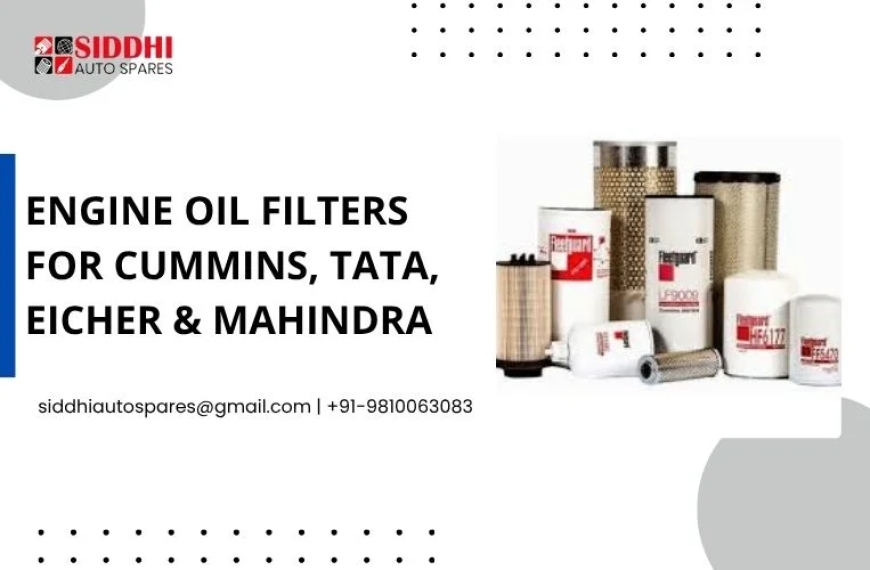
When it comes to vehicle maintenance, many car owners focus on an engine oil, tire pressure, and fuel qualitybut often overlook one small yet vital component: the oil filter. This unsung hero plays a critical role in keeping your engine clean, efficient, and long-lasting. In this comprehensive guide, we will explore what oil filters do, why they are important, and how they influence your cars overall performance. By the end, you will understand why choosing and maintaining the right oil filter is key to keeping your engine in top condition.
What is an Oil Filter?
An oil filter is a mechanical equipment that removes contaminants from engine oil before it circulates through your vehicles engine. These contaminants can include dirt, metal particles, combustion by-products, and sludgeall of which can cause wear and tear on engine components if not properly filtered out.
As motor oil moves through the engine, it picks up dirt and other gunk. The oil filter catches these particles, so only clean oil gets to important engine parts like the pistons and crankshafts. This keeps things running smoothly, lowers friction, and helps avoid expensive engine problems.
Why Oil Filters Matter for Car Performance
Oil filters do much more than just keep oil clean. Their function is directly tied to your vehicles performance, fuel efficiency, and engine lifespan. Here's how:
1. Protects Engine Components
Clean oil ensures that metal parts inside your engine remain lubricated and free from abrasive particles. Without a good oil filter, debris can cause friction, leading to premature wear of components like bearings, cylinder walls, and valves.
2. Maintains Oil Flow
A clogged or poor-quality oil filter can restrict oil flow, starving the engine of lubrication. This not only causes poor performance but can also lead to engine overheating and failure. Quality filters maintain consistent oil flow even under high pressure and extreme temperatures.
3. Supports Fuel Efficiency
When the engine operates efficiently, fuel is burned more cleanly and power is transferred effectively. Clean oil from a properly functioning oil filter reduces internal resistance, allowing the engine to run smoother and use fuel more efficiently.
4. Reduces Emissions
Contaminated oil can cause incomplete combustion, resulting in higher emissions. A clean engine thanks to an effective oil filter means fewer pollutants released into the environment, helping your car meet emission standards.
Types of Oil Filters
There are several types of oil filters, each with its own purpose and ideal use case. Understanding them helps you choose the right one for your vehicle.
1. Full-Flow Oil Filters
These are the most common and are designed to filter all the oil before it reaches the engine. Full-flow filters are critical for engine protection, especially during cold starts when oil is thick.
2. Bypass or Secondary Oil Filters
These filters work alongside full-flow filters, filtering a small portion of the oil at a time with higher efficiency. Theyre often used in high-performance or commercial engines where superior cleanliness is required.
3. Spin-On vs. Cartridge Filters
-
Spin-on filters are easy to install and replace, featuring a self-contained unit with a metal canister.
-
Cartridge filters are becoming more common in modern vehicles. They are eco-friendly and consist of a replaceable filter element inserted into a permanent housing.
What Makes a Good Oil Filter?
Choosing the right oil filter isn't just about size and shape. Quality and design features matter greatly for long-term engine health. Here are key factors that determine a good oil filter:
1. High-Quality Filter Media
The media inside the filter determines how effectively it traps contaminants. Synthetic or blended media provides superior filtration and longer service life compared to conventional paper.
2. Micron Rating
This indicates the size of particles the filter can trap. A good oil filter typically captures particles as small as 2030 microns. Premium filters may go even finer for better engine protection.
3. Anti-Drain-Back Valve
This feature prevents oil from draining out of the filter when the engine is off, ensuring oil is immediately available during startup and avoiding dry engine starts.
4. Bypass Valve
If the filter becomes clogged, this valve allows oil to bypass the filter and continue circulating to prevent engine damage. It should open only under extreme pressure conditions.
5. Durable Construction
A sturdy metal casing, strong seals, and precision-engineered components ensure the filter can withstand pressure, vibration, and heat over thousands of kilometers.
How Often Should You Change Your Oil Filter?
Your oil filter should be replaced every time you change your oil, which is typically every 5,000 to 10,000 kilometers, depending on your driving habits and the type of oil used.
Some synthetic oil filters can last longerup to 15,000 kilometersbut its always wise to follow your vehicle manufacturers maintenance schedule. Delaying an oil filter replacement can result in sludge buildup, reduced oil flow, and potential engine damage.
How Oil Filters Affect High-Performance Engines
If you drive a sports car or a high-performance vehicle, the role of the oil filter becomes even more critical. These engines run at higher temperatures and RPMs, which puts more stress on engine oil and its filtration system. Using a high-performance oil filter designed for synthetic oils and higher pressure ranges helps:
-
Maintain optimal oil flow under high stress
-
Prevent breakdown of oil under extreme conditions
-
Maximize horsepower by minimizing internal drag
Some performance filters also offer increased oil capacity and faster oil circulation, giving enthusiasts peace of mind during intense driving conditions.
Signs of a Failing Oil Filter
A clogged or faulty oil filter can quickly impact your engines health. Look out for these warning signs:
-
Oil pressure warning light on the dashboard
-
Engine misfires or sluggish performance
-
Dirty or dark engine oil soon after an oil change
-
Metallic noises from the engine
-
Oil leaks around the filter housing
If you notice any of these issues, it's important to inspect the filter and replace it if necessary.
Trusted Oil Filter Brands
Some brands have earned a reputation for delivering dependable oil filters across a range of vehicles. Consider these top choices:
-
Fram Known for affordability and availability, with various performance levels.
-
Bosch Offers synthetic media filters with high capacity and efficiency.
-
Mobil 1 Designed for long-life and synthetic oil users.
-
K&N Performance-grade filters that support high oil flow and easy removal.
-
WIX Filters Durable filters used in both consumer and heavy-duty vehicles.
-
ACDelco OEM-quality filters ideal for GM vehicles.
Always confirm compatibility with your vehicle before purchasing.
Conclusion
An oil filter may seem like a small part, but its role in your cars performance is anything but minor. From keeping your engine clean to supporting fuel efficiency and reducing emissions, a high-quality oil filter is essential to a well-maintained vehicle. Whether you're a daily commuter, weekend road-tripper, or performance enthusiast, choosing the right oil filterand replacing it regularlywill protect your engine, improve efficiency, and extend the life of your car.