



























What a Spray Foam Company Should Include in a Moisture Barrier Plan
A comprehensive moisture barrier plan from a professional spray foam company must include vapor permeability analysis, condensation risk assessment, air sealing strategies

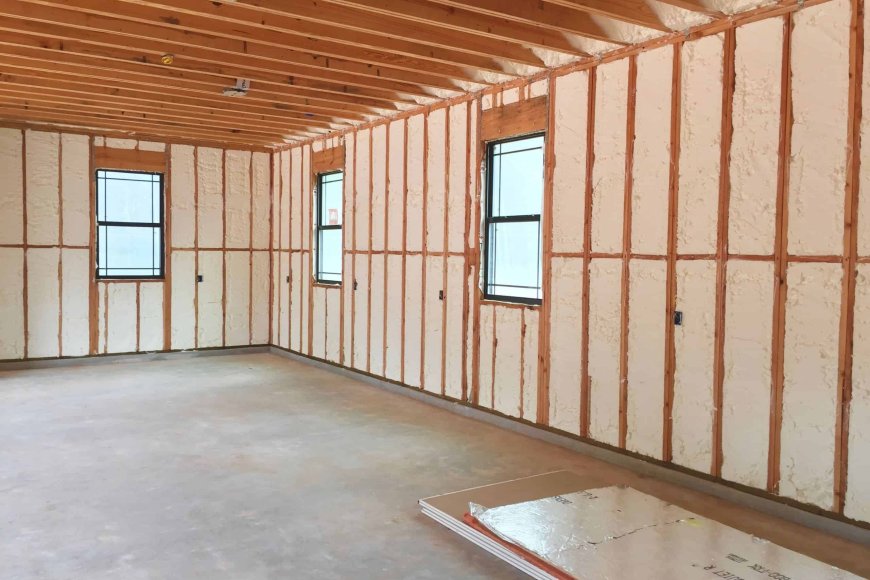
A comprehensive moisture barrier plan from a professional spray foam company must include vapor permeability analysis, condensation risk assessment, air sealing strategies, and integration protocols with existing building systems. This plan addresses moisture control through multiple defense layers including proper foam selection, ventilation coordination, and continuous barrier installation that prevents water vapor infiltration and condensation damage.
Effective moisture management requires detailed site assessment, climate-specific material selection, and systematic installation procedures that address both bulk water intrusion and vapor drive concerns. This guide examines essential components that distinguish professional moisture barrier plans from basic insulation installations.
Site Assessment and Moisture Analysis
Local spray foam experts begin moisture barrier planning with comprehensive site evaluations that identify existing moisture sources, building envelope deficiencies, and climate-specific challenges. These assessments include thermal imaging, moisture meter readings, and air leakage testing that reveal hidden moisture pathways and accumulation areas.
Professional analysis examines foundation conditions, exterior wall assemblies, roof structures, and mechanical system interactions that affect moisture dynamics. This evaluation determines vapor drive directions, seasonal moisture patterns, and potential condensation zones that require specific barrier strategies.
Assessment Components
|
Evaluation Area |
Analysis Methods |
Critical Measurements |
|
Vapor Drive Direction |
Seasonal humidity mapping |
Temperature/humidity differentials |
|
Air Leakage Patterns |
Blower door testing |
CFM measurements at 50 pascals |
|
Thermal Bridging |
Infrared imaging |
Surface temperature variations |
|
Existing Moisture Damage |
Visual/moisture meter inspection |
Moisture content percentages |
|
Ventilation Adequacy |
Airflow measurements |
Air changes per hour |
Bonus Tip: Schedule moisture assessments during different seasons to understand vapor drive variations that affect barrier design and material selection throughout the year.
Vapor Permeability and Material Selection
Trusted spray foam brands require specific vapor permeability ratings that match building envelope design and climate conditions. Closed-cell foam provides excellent vapor barrier properties with permeability ratings below 1.0 perms, while open-cell applications require additional vapor retarder coordination.
Material selection considers existing building materials, insulation placement, and vapor drive directions that determine appropriate permeability levels. Professional selection balances moisture control with drying potential to prevent moisture entrapment within building assemblies.
Material Vapor Permeability Comparison
|
Foam Type |
Permeability Rating |
Vapor Barrier Function |
Climate Suitability |
|
Closed-Cell Spray Foam |
0.8-1.0 perms |
Excellent vapor barrier |
All climate zones |
|
Open-Cell Spray Foam |
15-20 perms |
Requires additional barrier |
Limited climates |
|
Medium-Density Foam |
3-5 perms |
Moderate vapor control |
Temperate climates |
|
Low-Density Foam |
8-12 perms |
Minimal vapor resistance |
Dry climates only |
|
Hybrid Foam Systems |
Variable |
Customizable control |
Specific applications |
Residential foam insulation company specifications must account for building code requirements, manufacturer recommendations, and long-term performance expectations for specific climate zones.
Air Sealing Integration
Professional spray foam providers implement comprehensive air sealing strategies that eliminate moisture infiltration pathways while maintaining building envelope integrity. These strategies address penetrations, joints, and transition areas where air leakage commonly occurs and creates moisture problems.
Air sealing integration requires detailed attention to electrical penetrations, plumbing runs, HVAC connections, and structural joints that compromise barrier continuity. Professional installation ensures complete sealing while maintaining access for future maintenance and system modifications.
Critical Air Sealing Areas
|
Building Element |
Sealing Requirements |
Moisture Risk Level |
|
Rim Joists |
Complete foam encapsulation |
Very High |
|
Electrical Penetrations |
Individual sealing around each |
High |
|
Plumbing Penetrations |
Flexible sealing with expansion gaps |
High |
|
HVAC Connections |
Removable sealing systems |
Moderate |
|
Window/Door Frames |
Continuous perimeter sealing |
High |
Reliable commercial spray foam specialists use specialized sealants and application techniques that accommodate building movement while maintaining long-term air barrier integrity.
Ventilation System Coordination
Foam insulation pros coordinate moisture barrier plans with mechanical ventilation systems that manage indoor humidity levels and prevent moisture accumulation. This coordination ensures adequate air exchange while maintaining thermal efficiency and moisture control effectiveness.
Ventilation integration addresses fresh air requirements, exhaust capacity, and humidity control that work together with enhanced building envelope performance. Professional plans specify ventilation rates, equipment sizing, and control strategies that optimize both air quality and moisture management.
Ventilation Coordination Requirements
|
System Type |
Coordination Elements |
Moisture Control Function |
|
Exhaust Ventilation |
Capacity verification |
Remove interior moisture |
|
Supply Ventilation |
Fresh air delivery |
Maintain pressure balance |
|
Balanced Ventilation |
Heat/moisture recovery |
Optimize humidity control |
|
Spot Ventilation |
High-moisture area control |
Target specific sources |
|
Whole-House Systems |
Integrated humidity control |
Comprehensive management |
Energy-efficient insulation company plans include ventilation specifications that complement spray foam applications and maintain optimal indoor air quality standards.
Installation Sequencing and Quality Control
Certified spray foam team procedures establish systematic installation sequences that ensure moisture barrier continuity and performance. These procedures address surface preparation, application techniques, and quality verification that create effective long-term moisture protection.
Quality control measures include thickness verification, adhesion testing, and continuity inspection that confirm proper barrier installation. Professional teams document installation progress and conduct performance testing that validates moisture barrier effectiveness.
Installation Quality Standards
|
Quality Measure |
Testing Method |
Acceptance Criteria |
|
Foam Thickness |
Core sampling |
Meet design specifications |
|
Adhesion Quality |
Pull testing |
Minimum bond strength |
|
Barrier Continuity |
Thermal imaging |
No thermal bridges |
|
Air Leakage |
Blower door testing |
Target infiltration rates |
|
Moisture Performance |
Long-term monitoring |
Stable moisture levels |
Bonus Tip: Request detailed documentation of all quality control testing results and maintain records for warranty purposes and future building modifications.
Climate-Specific Design Considerations
Home insulation experts adapt moisture barrier plans to address regional climate conditions including temperature ranges, humidity levels, and seasonal moisture patterns. These adaptations ensure barrier systems function effectively throughout varying weather conditions and long-term climate cycles.
Climate considerations include heating and cooling season requirements, freeze-thaw cycling effects, and humidity load variations that affect moisture management strategies. Professional plans incorporate climate data and building science principles that optimize barrier performance for specific regional conditions.
Climate-specific design often requires hybrid barrier approaches that provide different permeability characteristics for varying seasonal conditions. These systems may include variable permeability materials or multi-layer barrier strategies that adapt to changing moisture drive directions.

Things to Consider Before Making a Decision
Evaluate existing building conditions thoroughly, including current moisture issues, ventilation adequacy, and structural conditions that affect moisture barrier design. These factors influence material selection, installation approaches, and performance expectations for barrier systems.
Consider long-term building usage patterns, occupancy loads, and moisture generation activities that impact barrier requirements. Different usage patterns require different moisture management strategies and may influence ventilation integration needs.
Assess local climate conditions, including seasonal variations, extreme weather patterns, and long-term climate projections that affect barrier design longevity. These considerations help determine appropriate material selections and design margins for reliable performance.
Review building code requirements, manufacturer specifications, and warranty conditions that govern moisture barrier installation and performance standards. Compliance with these requirements ensures proper system function and maintains warranty coverage.
Common Questions About Moisture Barrier Plans
Professional spray foam providers frequently address concerns about vapor permeability requirements, ventilation integration, and climate-specific design needs. These specialists explain how different barrier approaches address varying moisture management challenges and building envelope conditions.
Spray foam experts commonly discuss the relationship between air sealing, vapor barriers, and building durability. Proper moisture barrier design balances moisture control with drying potential to prevent building assembly damage from trapped moisture.
Local spray foam experts often explain how moisture barrier plans differ from basic insulation installations and why comprehensive moisture management requires specialized expertise and systematic planning approaches.
Ready to Achieve Comprehensive Moisture Protection
Effective moisture barrier plans integrate vapor control, air sealing, and ventilation coordination to create comprehensive building envelope protection. Professional planning addresses climate-specific requirements, building science principles, and long-term performance standards that ensure reliable moisture management.
Contact Raleigh Excel Spray Foam Insulation to develop a customized moisture barrier plan that protects your building investment. Our experienced team provides thorough assessments, comprehensive planning, and professional installation that delivers lasting moisture protection and building performance.
Raleigh Excel Spray Foam Insulation Phone: (919) 301-9435 Email: info@raleighexcelsprayfoam.com
Frequently Asked Questions
Q: How do moisture barrier requirements differ between climate zones? A: Climate zones determine vapor drive directions, humidity levels, and temperature differentials that affect barrier design. Cold climates typically require vapor barriers on the interior side, while hot-humid climates may need exterior vapor control or variable permeability systems that adapt to seasonal conditions.
Q: What role does ventilation play in moisture barrier effectiveness? A: Ventilation systems work with moisture barriers to manage indoor humidity levels and prevent moisture accumulation. Proper ventilation removes interior moisture sources while controlled air exchange maintains optimal humidity levels that complement barrier performance.
Q: How do building code requirements affect moisture barrier design? A: Building codes specify minimum vapor barrier requirements, installation standards, and performance criteria that must be met. Codes vary by climate zone and building type, requiring professional knowledge to ensure compliance and optimal moisture management.
Q: What happens if moisture barriers are improperly designed or installed? A: Improper moisture barrier design can lead to condensation within building assemblies, mold growth, structural damage, and reduced insulation performance. Professional design and installation prevent these issues through proper material selection and systematic installation procedures.
Q: How long do professional moisture barrier systems typically last? A: Well-designed and properly installed moisture barriers can provide effective protection for 20-30 years or more. Longevity depends on material quality, installation workmanship, building maintenance, and environmental conditions that affect barrier performance over time.
Reviewer
With nearly a decade in the spray foam insulation field, William Harris reviewed this post and provided guidance that reflects both technical understanding and real-world marketing experience.