Unlocking the Potential: A Comprehensive Guide to Cloud Services in India
The landscape of cloud services in India, their benefits, popular service models, and the factors driving this technological revolution.
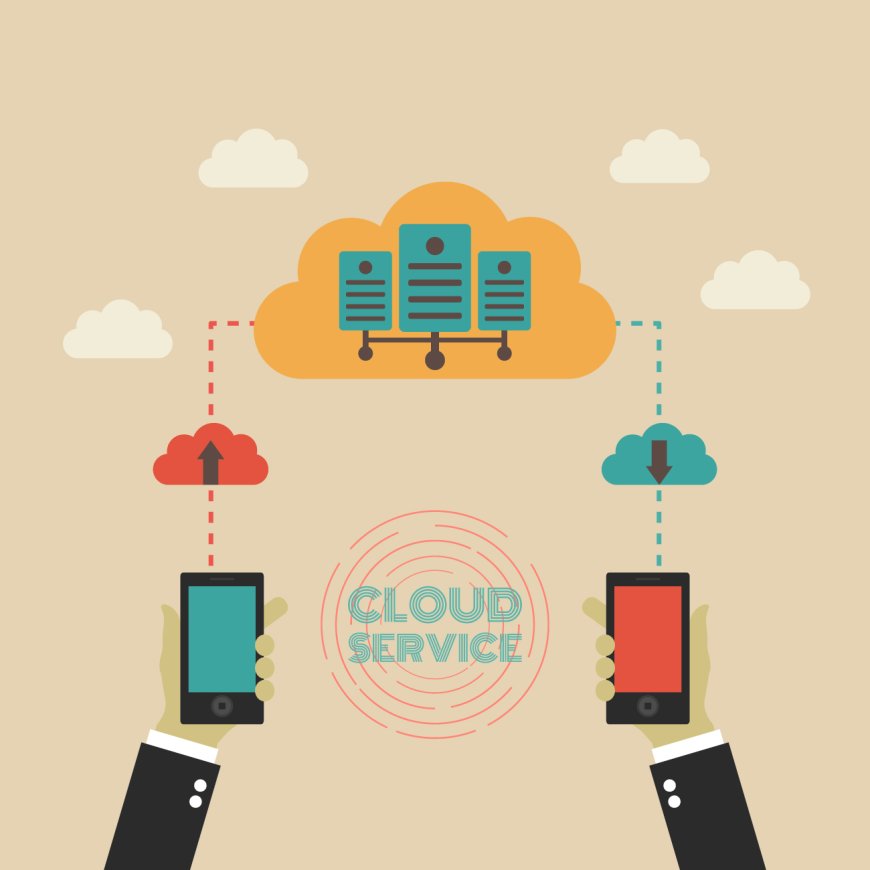
In todays digital era, businesses across the globe are rapidly adopting cloud technology to streamline operations, reduce costs, and enhance scalability. India, being one of the fastest-growing technology markets, is witnessing an unprecedented surge in the adoption of cloud services. From startups to large enterprises, cloud services in India are transforming the way organizations manage their data, applications, and infrastructure. This blog explores the landscape of cloud services in India, their benefits, popular service models, and the factors driving this technological revolution.
What Are Cloud Services?
Cloud services refer to the delivery of computing resourcesincluding servers, storage, databases, networking, software, and analyticsover the internet, commonly known as "the cloud." Instead of maintaining physical hardware and software on-premises, companies can access these resources on-demand from cloud service providers. This approach provides unmatched flexibility, cost-effectiveness, and agility.
The Growing Demand for Cloud Services in India
India's rapid digital transformation is one of the primary drivers for the growing demand for cloud services. Factors contributing to this surge include:
-
Digital India Initiative: The governments push for digitization across various sectors has accelerated cloud adoption.
-
Startup Ecosystem: Indias vibrant startup culture demands scalable and cost-efficient IT infrastructure, making cloud services ideal.
-
Remote Work & Collaboration: The shift toward remote work has increased reliance on cloud-based collaboration and productivity tools.
-
Cost Efficiency: Cloud eliminates hefty capital expenditure on IT hardware, appealing especially to small and medium enterprises (SMEs).
-
Data Security & Compliance: Cloud providers offer robust security measures aligned with Indian regulations, building trust among businesses.
Key Cloud Service Models Available in India
Businesses in India can choose from several cloud service models based on their needs:
1. Infrastructure as a Service (IaaS)
IaaS provides virtualized computing resources over the internet. Users can rent virtual machines, storage, and networking, paying only for what they use. Its ideal for businesses looking for flexibility and control without investing in physical infrastructure.
2. Platform as a Service (PaaS)
PaaS offers a platform allowing developers to build, test, and deploy applications without worrying about managing the underlying hardware and software layers. This accelerates software development cycles and innovation.
3. Software as a Service (SaaS)
SaaS delivers software applications over the internet on a subscription basis. Popular examples include email, customer relationship management (CRM), and enterprise resource planning (ERP) software. SaaS eliminates installation hassles and ensures automatic updates.
Benefits of Cloud Services in India
Cloud services come with numerous advantages for Indian businesses, driving widespread adoption:
Scalability and Flexibility
Cloud infrastructure can scale up or down effortlessly, accommodating changing business demands. Whether its handling a sudden surge in website traffic or expanding storage capacity, cloud services adapt seamlessly.
Cost Savings
By leveraging cloud services, Indian companies avoid large upfront capital expenses on hardware and software. Instead, they benefit from a pay-as-you-go pricing model, which optimizes IT spending and reduces wastage.
Enhanced Collaboration
Cloud platforms enable real-time collaboration among distributed teams. This is crucial for Indian businesses with offices in multiple cities or employees working remotely.
Data Security and Compliance
Cloud providers invest heavily in security technologies such as encryption, identity management, and intrusion detection. They also comply with Indian data protection regulations, ensuring the privacy and security of sensitive data.
Disaster Recovery and Business Continuity
Cloud services provide robust backup and disaster recovery solutions. In the event of a system failure or data breach, businesses can quickly restore their operations, minimizing downtime.
Popular Use Cases of Cloud Services in India
E-commerce
Indian e-commerce businesses use cloud services to manage massive volumes of transactions and customer data while ensuring website uptime during high traffic events like sales and festivals.
Healthcare
Cloud enables hospitals and clinics to store and share medical records securely and supports telemedicine platforms, enhancing patient care.
Education
Cloud-powered learning management systems and virtual classrooms have revolutionized education, making quality education accessible even in remote areas.
Banking and Finance
Financial institutions in India rely on cloud for real-time data analytics, fraud detection, and regulatory compliance.
Government Sector
Government agencies use cloud services to improve citizen services, data transparency, and streamline administrative processes.
Challenges and Considerations
Despite its many advantages, cloud adoption in India does face some challenges:
-
Data Sovereignty: Ensuring data is stored within Indian borders to comply with government regulations can be complex.
-
Internet Connectivity: Reliable and high-speed internet remains a prerequisite, especially in rural regions.
-
Skill Gap: There is a need for trained professionals who can manage and optimize cloud environments.
-
Vendor Lock-In: Businesses must choose providers carefully to avoid dependency on a single cloud vendor, which can impact flexibility and costs.
Future Trends in Cloud Services in India
The future of cloud services in India looks promising with emerging trends such as:
-
Hybrid Cloud Adoption: Combining private and public cloud to meet specific business needs and enhance security.
-
AI and Machine Learning Integration: Cloud platforms increasingly offer AI-powered analytics and automation services.
-
Edge Computing: Processing data closer to the source to reduce latency, especially relevant for IoT applications.
-
Green Cloud Initiatives: Cloud providers are investing in sustainable infrastructure to reduce environmental impact.
How to Choose the Right Cloud Service Provider in India
Selecting the best cloud service provider is crucial for maximizing the benefits of cloud adoption. Consider these factors:
-
Reliability and Uptime Guarantees: Ensure the provider offers strong Service Level Agreements (SLAs).
-
Security Features: Evaluate encryption, compliance certifications, and disaster recovery capabilities.
-
Scalability Options: Look for flexible plans that grow with your business.
-
Customer Support: 24/7 technical support is essential for uninterrupted operations.
-
Pricing Structure: Understand the billing model and watch for hidden costs.
Conclusion
Cloud services in India are revolutionizing the way businesses operate by offering scalable, cost-effective, and secure computing solutions. As digital transformation accelerates, adopting cloud technology will become indispensable for companies aiming to stay competitive in the market. By understanding the benefits, service models, and future trends, Indian businesses can make informed decisions to harness the full potential of cloud computing and drive sustainable growth.