Trends Shaping the Future of Material Handling Vacuum Lifter Design

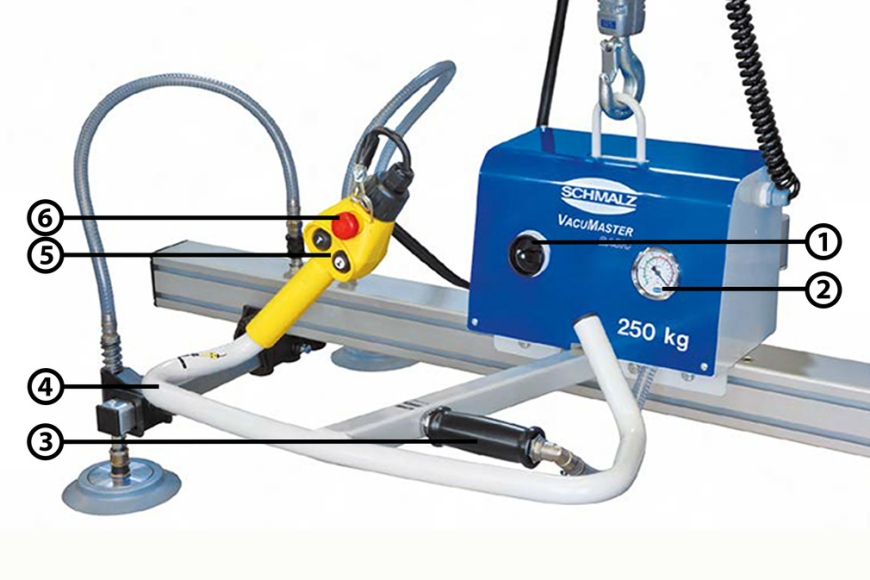
As industries continue to demand faster, safer, and more efficient workflows, the tools used in material transport are evolving at a rapid pace. Among the most significant innovations in industrial lifting and logistics is the material handling vacuum lifter. This equipment uses vacuum suction to lift, move, and position materials with minimal physical strain and maximum precision.
Over the years, material handling vacuum lifters have transformed from basic lifting aids to highly engineered systems integrated into automated manufacturing environments. With the continued rise of smart manufacturing and sustainability standards, the design and function of vacuum lifters are undergoing major innovation.
In this article, we explore the key trends shaping the future of material handling vacuum lifter design and what it means for industrial operations around the globe.
1. Integration with Automation and Industry 4.0
One of the most transformative trends influencing vacuum lifter design is the increasing demand for automation. In smart factories, where efficiency, connectivity, and precision are top priorities, the material handling vacuum lifter is being reimagined as part of a fully automated ecosystem.
Future lifters are being built with compatibility for:
-
Collaborative robots (cobots)
-
Automated guided vehicles (AGVs)
-
Programmable logic controllers (PLCs)
These integrations allow lifters to function autonomously or semi-autonomously, reducing human error and streamlining repetitive tasks. The ability to coordinate lifters with sensors, conveyors, and robotic arms also enhances throughput and production efficiency.
2. Energy-Efficient Vacuum Technology
Sustainability and energy conservation are increasingly important in manufacturing. Traditional vacuum lifters often relied on continuous suction systems, leading to high energy consumption. In response, manufacturers are now designing material handling vacuum lifters that utilize:
-
Energy-on-demand vacuum pumps
-
Eco-mode settings
-
Regenerative vacuum systems
These energy-efficient systems activate suction only when needed and shut off automatically when the load is released, helping facilities significantly reduce operational energy costs. This shift not only supports environmental goals but also lowers long-term maintenance expenses.
3. Modular and Customizable Designs
Todays production lines often deal with a variety of product shapes, sizes, and materials. As a result, one-size-fits-all lifting solutions are no longer practical. The modern material handling vacuum lifter is trending toward modular and customizable designs.
New design features include:
-
Interchangeable suction pads and arms
-
Adjustable lifting capacities
-
Expandable frame structures
These customizable features enable businesses to use a single lifter model for multiple applications, making operations more flexible and cost-effective. This modularity also simplifies upgrades and equipment servicing, contributing to reduced downtime.
4. Enhanced Ergonomics and Operator Safety
Employee safety and ergonomics are top priorities in every material handling environment. The latest material handling vacuum lifter designs incorporate features that reduce physical strain, minimize injury risks, and improve ease of use.
Design trends focused on safety and comfort include:
-
Intuitive control handles
-
One-touch operation systems
-
Load sensors with auto-release mechanisms
-
Anti-drop failsafe systems
These advancements help companies meet stringent health and safety regulations while also improving operator satisfaction and productivity.
5. Handling a Wider Range of Materials
Historically, vacuum lifters worked best with flat, smooth surfaces such as glass or sheet metal. Today, manufacturers are developing equipment that can handle a broader variety of materials and textures. New suction pad designs and technologies now allow lifters to handle:
-
Porous surfaces like cardboard or textiles
-
Irregularly shaped objects
-
Flexible packaging or soft materials
This expansion in capability is opening new applications for the material handling vacuum lifter in industries such as food processing, pharmaceuticals, logistics, and e-commerce, where packages and products vary widely in size and composition.
6. IoT and Data-Driven Maintenance
Smart manufacturing is driving demand for equipment that can self-monitor and provide data insights. The material handling vacuum lifter is no exception. Integrated sensors and IoT connectivity are becoming standard, enabling predictive maintenance and real-time diagnostics.
With connected systems, maintenance teams can monitor:
-
Vacuum pressure and flow rates
-
Cycle counts and usage patterns
-
Early signs of component wear
This data allows for preventive servicing, reducing unexpected breakdowns and increasing equipment uptime.
7. Lightweight and Compact Construction
Space optimization and portability are major concerns in crowded factory environments. Vacuum lifter manufacturers are now engineering compact, lightweight devices without sacrificing strength or functionality. Materials such as high-grade aluminum, carbon fiber, and reinforced polymers are being used to reduce the overall weight of the lifters.
Lightweight construction makes it easier to install, reposition, or mount the lifter on different cranes, jibs, or gantry systems, improving versatility across workstations.
8. Compliance with Global Standards
As global trade and international manufacturing grow, vacuum lifters must meet a range of compliance standards. Future-proof material handling vacuum lifters are being designed with certifications in mind, including:
-
CE and ISO compliance
-
OSHA and ANSI safety standards
-
FDA or hygienic design for food/pharma use
Compliance ensures broader market access and assures end-users of the lifter's quality and safety.
Conclusion
The evolution of the material handling vacuum lifter is a reflection of broader trends in manufacturing automation, sustainability, safety, and flexibility. As facilities demand faster operations with fewer resources and less labor, vacuum lifters are being reinvented to meet these expectations.