















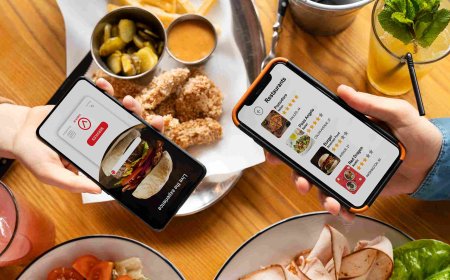











Top 10 Phoenix Spots for International Cuisine
Introduction Phoenix, Arizona, is more than just desert sun and sprawling suburbs—it’s a vibrant culinary crossroads where global flavors thrive under the Southwestern sky. Over the past two decades, the city has evolved from a regional outpost into a destination for authentic, high-quality international cuisine. But with hundreds of restaurants offering everything from pho to poutine, how do you

Introduction
Phoenix, Arizona, is more than just desert sun and sprawling suburbsits a vibrant culinary crossroads where global flavors thrive under the Southwestern sky. Over the past two decades, the city has evolved from a regional outpost into a destination for authentic, high-quality international cuisine. But with hundreds of restaurants offering everything from pho to poutine, how do you know which spots truly deliver on flavor, authenticity, and consistency?
This guide cuts through the noise. Weve curated a list of the top 10 Phoenix spots for international cuisine you can trustnot because theyre trendy, not because they have Instagrammable plating, but because theyve earned the loyalty of locals, received consistent praise from food critics, and maintain cultural integrity in every dish they serve. These are the restaurants where chefs hail from the regions they represent, ingredients are imported with care, and recipes are passed down through generations.
Whether youre a long-time resident craving a taste of home or a visitor seeking an unforgettable culinary journey, this list is your trusted roadmap to Phoenixs most reliable international dining experiences. No gimmicks. No shortcuts. Just real food, made with respect.
Why Trust Matters
In the world of international cuisine, trust isnt a luxuryits a necessity. When you step into a restaurant serving dishes from another culture, youre not just ordering a meal. Youre inviting a piece of someones heritage onto your plate. Thats why authenticity, consistency, and transparency matter more than ever.
Many restaurants in Phoenix label themselves as Thai, Ethiopian, or Peruvian, yet serve watered-down versions of dishes that bear little resemblance to their origins. This isnt just disappointingits disrespectful. Authentic international cuisine requires more than a few spices and a foreign name. It demands knowledge of regional techniques, access to specific ingredients, and a deep understanding of culinary traditions.
Trust is built over time. Its earned when a family-run Vietnamese bistro serves pho with broth simmered for 18 hours, when a Nigerian chef sources fresh uziza leaves from West Africa, or when a Colombian baker uses traditional clay ovens to make arepas. These are the details that separate the truly authentic from the performative.
Local diners are the best indicators of trust. They know the difference between a passable imitation and a heartfelt recreation. They return week after week, bring friends from abroad, and defend their favorite spots fiercely. Food critics may highlight new openings, but its the regulars who keep the legacy alive.
Additionally, trust extends beyond taste. It includes hygiene standards, ethical sourcing, staff training, and cultural sensitivity. A restaurant that hires staff from the culture it represents, uses sustainable practices, and educates its guests about the origins of its dishes demonstrates a deeper commitment than one that simply labels itself global.
In Phoenix, where the population is increasingly diverse and food-savvy, the demand for trustworthy international cuisine has never been higher. This list highlights the restaurants that have met that demandnot with marketing, but with mastery.
Top 10 Phoenix Spots for International Cuisine
1. Saffron Indian Kitchen
Saffron Indian Kitchen isnt just one of Phoenixs most popular Indian restaurantsits one of the most authentic in the entire Southwest. Owned and operated by a family from Jaipur, Rajasthan, Saffron has been serving traditional North Indian dishes since 2008, with recipes passed down through three generations. Their tandoori chicken is marinated for 24 hours in yogurt and house-blended spices, then cooked in a clay tandoor oven imported from Delhi. The butter chicken, often copied by chain restaurants, here delivers a rich, velvety texture with a subtle hint of fenugreek and smoked paprika rarely found outside India.
The menu includes lesser-known regional specialties like Rajasthani ker sangri, a dried bean and desert berry curry, and Gujarati dhokla, a steamed fermented chickpea cake thats light, tangy, and utterly unique. Vegetarians will find a dedicated section with over 20 plant-based dishes, many of which are vegan by default. The staff is knowledgeable, often offering tasting suggestions based on spice tolerance and regional preferences. Saffrons commitment to sourcing turmeric, cardamom, and black pepper directly from Indian farms ensures a depth of flavor unmatched by suppliers who rely on bulk distributors.
Locals return not just for the food, but for the atmospherea warm, unpretentious space with hand-painted murals and traditional Indian music playing softly in the background. Its the kind of place where youll hear conversations in Hindi, Punjabi, and Tamil, and where the owner often joins tables to share stories about his familys culinary roots.
2. La Taqueria del Sol
La Taqueria del Sol is a Phoenix institution that has redefined what Mexican street food means in the Valley. Founded by a family from Oaxaca, this unassuming spot in the Garfield neighborhood specializes in handmade corn tortillas, slow-cooked meats, and complex moles that take days to prepare. Their barbacoa, made from lamb shoulder braised in banana leaves with dried chiles and herbs, is legendary. Its tender enough to pull apart with a fork, yet retains a smoky depth that lingers long after the last bite.
What sets La Taqueria del Sol apart is its unwavering commitment to traditional techniques. The masa for their tortillas is nixtamalized in-house using heirloom corn from Oaxaca, then ground on a stone metatea process nearly extinct in commercial Mexican restaurants. Their mole negro, a complex blend of 27 ingredients including dried chiles, toasted sesame, plantains, and chocolate, is prepared only once a week and sells out by noon. They also offer tlayudas, a Oaxacan pizza made with a crispy tortilla base, refried beans, quesillo cheese, and tasajo beef, rarely found outside southern Mexico.
The restaurants minimalist decor and open kitchen allow diners to witness the entire processfrom hand-pressing tortillas to charring chiles over charcoal. Staff members speak Spanish as their first language and often explain the origins of dishes to curious guests. Regulars know to arrive early on weekends, as the kitchen closes once the daily supply of meats and moles is exhausted. This isnt fast food. Its slow, sacred cooking.
3. Thai Basil House
Thai Basil House has earned its reputation as Phoenixs most authentic Thai restaurant through relentless attention to detail and a refusal to compromise on flavor. Run by a husband-and-wife team from Chiang Mai, the restaurant serves dishes that are rarely seen outside Northern Thailand. Their khao soi, a coconut curry noodle soup with crispy fried noodles on top, is a revelationbalanced between creamy, spicy, sour, and sweet in a way thats nearly impossible to replicate without decades of experience.
Their pad thai is made with tamarind paste imported from Thailand, fresh shrimp from the Gulf of Thailand, and palm sugar that hasnt been processed into granules. Even their basil is the Thai holy basil variety, not the Italian kind often substituted in Americanized versions. The menu includes regional specialties like gaeng hang lay (Northern Thai pork curry with tamarind and turmeric) and sai ua (Chiang Mai sausage with lemongrass and kaffir lime leaves), dishes that even many Thai expats in Phoenix have never tasted before.
Thai Basil House also sources its fish sauce from a small-batch producer in Phuket and its rice from a family farm in Isan. Their green papaya salad is pounded by hand in a mortar and pestle, not blended in a food processor, preserving the texture and releasing the full aroma of the ingredients. The restaurant has no English menudishes are listed in Thai with English translations provided by staff who are fluent in both languages. This isnt a barrier; its a statement of integrity.
Patrons often return weekly, sometimes bringing friends from Thailand to verify the authenticity. The quiet, intimate dining room and the absence of loud music or neon signs reflect the restaurants philosophy: let the food speak for itself.
4. Ethiopian Bistro
Ethiopian Bistro is the only restaurant in Phoenix that offers a true, immersive Ethiopian dining experience. Located in the heart of the Maryvale neighborhood, its owned by a family that fled Addis Ababa during the 1990s and opened their first kitchen in a small apartment before expanding into this beloved space. The menu centers around injerathe spongy, sourdough flatbread made from teff flourand a variety of slow-simmered stews called wats.
Here, injera is fermented for 72 hours using a starter passed down from the owners grandmother. The teff flour is imported directly from Ethiopia, and the fermentation is monitored daily to ensure the perfect balance of tang and texture. Dishes like doro wat (spicy chicken stew with hard-boiled eggs), misir wat (lentils cooked with berbere spice), and gomen (collard greens sauted with garlic and niter kibbeh, a spiced clarified butter) are served family-style on a large platter of injera, meant to be eaten with the hands.
Unlike many Ethiopian restaurants that offer pre-packaged spice blends, Ethiopian Bistro grinds its own berbere, mitmita, and awaze in-house using whole dried chiles, fenugreek, cardamom, and cloves. The aroma alone is intoxicating. The restaurant also offers traditional Ethiopian coffee ceremonies on weekends, where green coffee beans are roasted over charcoal, ground by hand, and brewed in a jebena potserved with popcorn and incense.
Staff members are trained in Ethiopian dining etiquette and guide first-timers through the experience with patience and warmth. No utensils are provided unless requested. This isnt a gimmickits tradition. Locals come not just for the food, but for the sense of community. Its common to see groups of Ethiopian expats gathering on Sundays, laughing in Amharic, while newcomers sit quietly, learning how to tear injera and scoop stew with their fingers.
5. Sabor Latino
Sabor Latino is Phoenixs most trusted destination for Colombian and Venezuelan cuisine, offering a rare blend of flavors rarely found outside the Andes and the Caribbean coast. The restaurant is run by a Colombian mother and her Venezuelan son, who together created a menu that bridges the culinary traditions of both countries. Their arepas are hand-pressed from masa harina and grilled on a comal until crisp on the outside and tender within. Fillings include shredded beef in ajiaco sauce, black beans with queso fresco, and plantains mashed with cheese.
Their bandeja paisa, a Colombian platter featuring red beans, chicharrn, fried plantain, avocado, rice, and a fried egg, is the most authentic version in the city. The chorizo is made from scratch using Andean spices, and the hogao sauceonion, tomato, and cilantro simmered with cuminis cooked down for hours to concentrate its flavor. For Venezuelans, the pabelln criollo (shredded beef, black beans, rice, and fried plantains) is prepared with the same precision as in Caracas.
What makes Sabor Latino exceptional is its use of ingredients unavailable elsewhere in Phoenix. They import yuca from Colombia, guava paste from Venezuela, and achiote oil from Central America. Their empanadas are fried in lard, not vegetable oil, and their arequipe (dulce de leche) is made by slow-cooking condensed milk in a copper pot over low heat. The restaurant also offers fresh chicha morada, a purple corn drink sweetened with pineapple and cloves, and arequipe-flavored ice cream.
The space is small but cozy, with photos of Colombian mountains and Venezuelan beaches on the walls. Staff speak Spanish fluently and often share stories about their hometowns. Regulars include Colombian diplomats, Venezuelan refugees, and longtime Phoenix residents whove been coming since the restaurant opened in 2012. Its a place where culture isnt just servedits honored.
6. Pho 79
Pho 79 is the undisputed leader in Vietnamese pho in Phoenix, and its reputation is built on one simple truth: they make broth the way its meant to be made. The owner, a first-generation immigrant from Hanoi, learned to cook pho from his grandmother and opened this restaurant in 2006 with one goal: to replicate the exact flavor of the streets of Vietnam. The broth simmers for over 16 hours with beef bones, charred ginger, star anise, cinnamon, and cloves. No MSG. No shortcuts. Just time, patience, and tradition.
Their pho bo (beef noodle soup) is served with rice noodles that are freshly made daily, thin slices of rare beef that cook in the hot broth, and a platter of fresh herbsincluding Thai basil, cilantro, and sawtooth herbthat diners add themselves. The condimentshoisin sauce, sriracha, and limeare served on the side, never mixed in, allowing each diner to customize their bowl according to their taste.
Pho 79 also offers lesser-known dishes like bun cha (grilled pork patties with vermicelli and herb salad) and banh mi made with house-baked baguettes that have a crackling crust and airy interior. Their spring rolls are wrapped in rice paper so thin you can see the shrimp inside, and their cha gio (fried spring rolls) are filled with minced pork, wood ear mushrooms, and glass noodles, then fried in peanut oil to a golden crisp.
What sets Pho 79 apart is its consistency. The same family has owned and operated the restaurant for nearly two decades, and the same chefs have been preparing the same recipes since day one. The dining room is simplea few tables, a counter, and a small kitchen visible through a glass window. Theres no menu board, no Wi-Fi, no fancy dcor. Just the scent of simmering broth, the clink of chopsticks, and the quiet satisfaction of diners who know theyre eating the real thing.
7. The Moroccan Table
The Moroccan Table is a hidden gem in the Arcadia neighborhood, offering one of the most authentic North African dining experiences in the Southwest. Run by a family from Fez, the restaurant specializes in tagines, couscous, and pastillaall prepared using centuries-old techniques. Their chicken tagine with preserved lemons and olives is slow-cooked in a traditional clay tagine pot, allowing the flavors to meld and intensify over hours. The meat falls off the bone, and the sauce is rich with the tang of lemon and the brine of green olives, balanced by warm spices like cumin, coriander, and saffron.
Their couscous is steamed seven times in a traditional couscoussier, a two-tiered pot that allows steam to gently cook the semolina grains until theyre light and fluffy. Its served with a lamb stew infused with cinnamon, ginger, and honeya dish traditionally prepared for Friday family gatherings in Morocco. The pastilla, a savory-sweet pie made with layers of thin pastry, pigeon meat (or chicken), almonds, and cinnamon, is a showstoppercrisp on the outside, tender within, and dusted with powdered sugar and ground cinnamon.
Ingredients are sourced with care: saffron from the Atlas Mountains, argan oil from southern Morocco, and harissa made from hand-roasted chiles. The restaurant also offers mint tea prepared in the traditional waypoured from a height to create a frothy top, served with sugar cubes and fresh mint leaves. Diners are encouraged to eat with their hands, as is customary in Moroccan homes, and napkins are provided only as a courtesy.
The interior is decorated with handwoven Berber rugs, lanterns from Marrakech, and Arabic calligraphy. The staff speaks Arabic, French, and English, and often share stories about their hometowns. Regulars include Moroccan expats who travel from Tucson and Las Vegas just to dine here. Its not just a restaurantits a cultural outpost.
8. Szechuan Wok
Szechuan Wok is Phoenixs most trusted destination for authentic Sichuan cuisine, where the bold, numbing heat of Sichuan peppercorns meets the fiery punch of dried chiles. Run by a chef from Chengdu, the restaurant serves dishes that are rarely found in American Chinese restaurantsdishes that are meant to be eaten with rice to balance the intensity. Their mapo tofu is a masterpiece: silken tofu simmered in a broth of fermented black beans, ground pork, and a generous amount of Sichuan peppercorns that create a tingling, almost electric sensation on the tongue.
Their dan dan noodles are tossed in a sauce made from chili oil infused with sesame paste, soy, and preserved vegetables, then topped with minced pork and scallions. The chili oil is made in-house, with over a dozen types of dried chiles steeped in hot oil for days. The restaurant also offers kung pao chicken prepared the Sichuan waywith whole dried chiles and Sichuan peppercorns left in the dish for maximum flavor, not removed for mildness.
What makes Szechuan Wok exceptional is its refusal to dilute flavors for American palates. The dishes are spicynot medium spicy, but authentically, unapologetically spicy. The kitchen offers heat levels, but the chef recommends the Chengdu Original for those who truly want to taste the region. Their hand-pulled noodles are made daily, stretched and twisted by hand into long, chewy strands that absorb sauce beautifully.
The restaurant has no English menu. Dishes are listed in Mandarin with English translations provided on a separate card. Staff members are from Sichuan and speak little English, but they communicate through gestures, smiles, and the unmistakable aroma of chili oil. Regulars come for the authenticity, the heat, and the honesty. Its a place where food isnt adaptedits honored.
9. La Casona de Argentina
La Casona de Argentina is Phoenixs premier destination for authentic Argentine cuisine, where the art of asado (barbecue) is elevated to a ritual. The owner, a third-generation parrillero from Mendoza, brings the traditions of the Argentine pampas to the desert. His beef is sourced from grass-fed cattle raised in Texas and Argentina, aged for 28 days, and grilled over mesquite wood for hours. The flank steak, skirt steak, and short ribs are seasoned only with coarse sea salt and cooked to perfectionjuicy, smoky, and deeply flavorful.
The restaurants chimichurri is made daily with fresh parsley, oregano, garlic, vinegar, and red pepper flakesnever bottled. Their empanadas are filled with spiced ground beef, hard-boiled egg, and olive, then baked in a wood-fired oven. The locro, a hearty stew of corn, beans, squash, and beef, is served on weekends and is a direct descendant of dishes eaten by gauchos in the 1800s.
La Casona also offers dulce de leche desserts, including alfajores (shortbread cookies sandwiched with caramel) and flan with a caramel crust that crackles when tapped. Their wine list features Argentine Malbecs from Mendoza and Salta, served in large glasses to allow the aromas to breathe.
The dining room is warm and rustic, with wooden beams, leather booths, and photos of the Andes. Staff wear traditional gaucho scarves and speak Spanish with a distinct Argentine accent. Locals come not just for the food, but for the atmospherethe clatter of knives on plates, the smell of wood smoke, the sound of tango music in the background. Its a slice of Argentina in the heart of Phoenix.
10. The Lebanese Garden
The Lebanese Garden is the most trusted Lebanese restaurant in Phoenix, offering a menu that reflects the diversity of Lebanons coastal and mountain regions. Run by a family from Beirut, the restaurant serves dishes made with ingredients imported from the Bekaa Valley and the coastal plains. Their tabbouleh is made with finely chopped parsley, bulgur wheat, tomatoes, and mint, dressed in olive oil and lemon juicenever pre-made or stored in plastic containers.
Their hummus is stone-ground daily with tahini from Syria, garlic from Egypt, and lemon juice from Lebanon. Their falafel is made from soaked chickpeas, not dried ones, and fried in pure sesame oil until golden and crisp. The shawarma is marinated for 48 hours in a blend of cumin, coriander, turmeric, and garlic, then slow-roasted on a vertical spit and shaved thin.
The restaurant also offers rare dishes like kibbeh nayyeh (raw ground lamb mixed with bulgur and spices), moutabal (smoked eggplant dip with pomegranate molasses), and waraq enab (stuffed grape leaves with rice, pine nuts, and herbs). Their baklava is layered with phyllo dough made in-house, brushed with rosewater syrup, and topped with crushed pistachios.
The dining room is serene, with mosaic tiles, hanging lanterns, and the scent of cardamom coffee wafting from the kitchen. Staff speak Arabic and English, and often bring out complimentary meze plates to new guests. Regulars include Lebanese expats, Arab-American families, and food enthusiasts who travel from across the Valley to experience the real thing. Its not just a mealits a celebration of hospitality.
Comparison Table
| Restaurant | Cuisine | Authenticity Level | Owner Origin | Key Signature Dish | Ingredient Sourcing | Staff Language |
|---|---|---|---|---|---|---|
| Saffron Indian Kitchen | North Indian | High | Rajasthan, India | Butter Chicken | Spices imported directly from India | English, Hindi, Punjabi |
| La Taqueria del Sol | Oaxacan Mexican | High | Oaxaca, Mexico | Barbacoa with handmade tortillas | Heirloom corn from Oaxaca | Spanish |
| Thai Basil House | Northern Thai | High | Chiang Mai, Thailand | Khao Soi | Fresh basil, fish sauce, rice from Thailand | English, Thai |
| Ethiopian Bistro | Ethiopian | Very High | Addis Ababa, Ethiopia | Injera with Doro Wat | Teff flour, berbere from Ethiopia | Amharic, English |
| Sabor Latino | Colombian/Venezuelan | High | Colombia/Venezuela | Bandeja Paisa | Yuca, guava paste, achiote from Latin America | Spanish |
| Pho 79 | Vietnamese | Very High | Hanoi, Vietnam | Pho Bo | Beef bones, herbs, rice noodles from Vietnam | English, Vietnamese |
| The Moroccan Table | Moroccan | High | Fez, Morocco | Chicken Tagine with Preserved Lemons | Saffron, argan oil, harissa from Morocco | Arabic, French, English |
| Szechuan Wok | Sichuan Chinese | Very High | Chengdu, China | Mapo Tofu | Sichuan peppercorns, chili oil from Sichuan | Mandarin, English |
| La Casona de Argentina | Argentine | High | Mendoza, Argentina | Asado (Grilled Beef) | Grass-fed beef from Argentina and Texas | Spanish |
| The Lebanese Garden | Lebanese | High | Beirut, Lebanon | Tabbouleh and Shawarma | Olives, zaatar, bulgur from Lebanon | Arabic, English |
FAQs
How do you define authentic international cuisine?
Authentic international cuisine refers to dishes prepared using traditional methods, ingredients, and recipes from the region they represent. Its not about how foreign a restaurant looks, but whether the chef understands the cultural context, uses authentic ingredients (often imported), and prepares the food the way its made in its country of origin.
Why dont more restaurants in Phoenix offer truly authentic dishes?
Many restaurants adapt international dishes to suit American palatesreducing spice, substituting ingredients, or simplifying techniques. This often happens due to cost, lack of access to authentic ingredients, or a misunderstanding of the cuisines cultural significance. The restaurants on this list have chosen to prioritize integrity over mass appeal.
Are these restaurants expensive?
Not necessarily. While some offer premium ingredients and labor-intensive preparation, many of these spots are modestly priced, family-run businesses. Youll find meals for under $15 at Pho 79, La Taqueria del Sol, and Sabor Latino. The value lies in the quality, not the price tag.
Do I need to speak another language to enjoy these restaurants?
No. All restaurants on this list provide English menus or staff who can explain dishes. However, many guests find that engaging with staff in their native languagewhether its Spanish, Thai, or Arabicenhances the experience and deepens their appreciation for the culture.
Can I find these restaurants outside of Phoenix?
Some may have branches in nearby cities like Scottsdale or Tempe, but the locations listed here are the original, trusted spots that have maintained consistency and authenticity over time. Other branches may vary in quality or sourcing.
How often do these restaurants change their menus?
Most of these restaurants keep their core dishes unchanged for years. Seasonal items may be added, especially for holidays or harvests (like Ethiopian coffee ceremonies or Lebanese grape leaf season), but the signature dishes remain true to tradition.
Are these restaurants family-friendly?
Yes. All of these restaurants welcome families and children. Many offer smaller portions, mild options, or simple dishes like rice and beans for younger diners. The atmosphere is generally warm and inviting, with staff accustomed to serving guests of all ages.
Do these restaurants offer vegetarian or vegan options?
Yes. Most have dedicated vegetarian or vegan dishes. Saffron Indian Kitchen, Thai Basil House, Ethiopian Bistro, and The Lebanese Garden offer extensive plant-based menus. Many dishes are naturally vegan, such as lentil stews, vegetable curries, and grilled vegetables.
How can I support authentic international restaurants in Phoenix?
Visit regularly, bring friends, leave reviews, and ask questions. Support restaurants that source ingredients ethically, hire staff from the culture they represent, and educate guests about their traditions. Avoid chains that mimic international cuisine without cultural understanding.
Is it okay to ask the chef about the recipe?
Yes, respectfully. Many chefs are proud of their heritage and enjoy sharing stories about their food. Ask about ingredients, cooking methods, or family traditions. Avoid asking for recipes outrightmost are closely guarded family secrets.
Conclusion
Phoenixs culinary landscape is richer and more diverse than many realize. Beyond the chain restaurants and fusion trends lies a network of small, family-run kitchens where culture is preserved through food. The ten restaurants highlighted here are not the loudest or the most advertisedthey are the most trusted. Theyve earned that trust through consistency, integrity, and an unwavering commitment to their roots.
Each of these spots offers more than a meal. They offer connectionto a place, a people, a history. Whether youre tasting the smoky depth of an Oaxacan mole, the numbing heat of Sichuan peppercorns, or the earthy tang of Ethiopian injera, youre participating in a centuries-old tradition. Youre not just eatingyoure honoring.
As Phoenix continues to grow, its vital that we support these culinary guardians. They dont need flashy logos or influencer endorsements. They need diners who care about authenticity, who value the labor behind every dish, and who understand that real international cuisine isnt a trendits a legacy.
So the next time youre looking for something new to eat, skip the generic global fusion spot. Head to one of these ten. Sit down. Ask questions. Taste slowly. And let the flavors tell you the story theyve been waiting to share.