To Wear This Is to Refuse the World’s Simple Narratives: Comme des Garçons

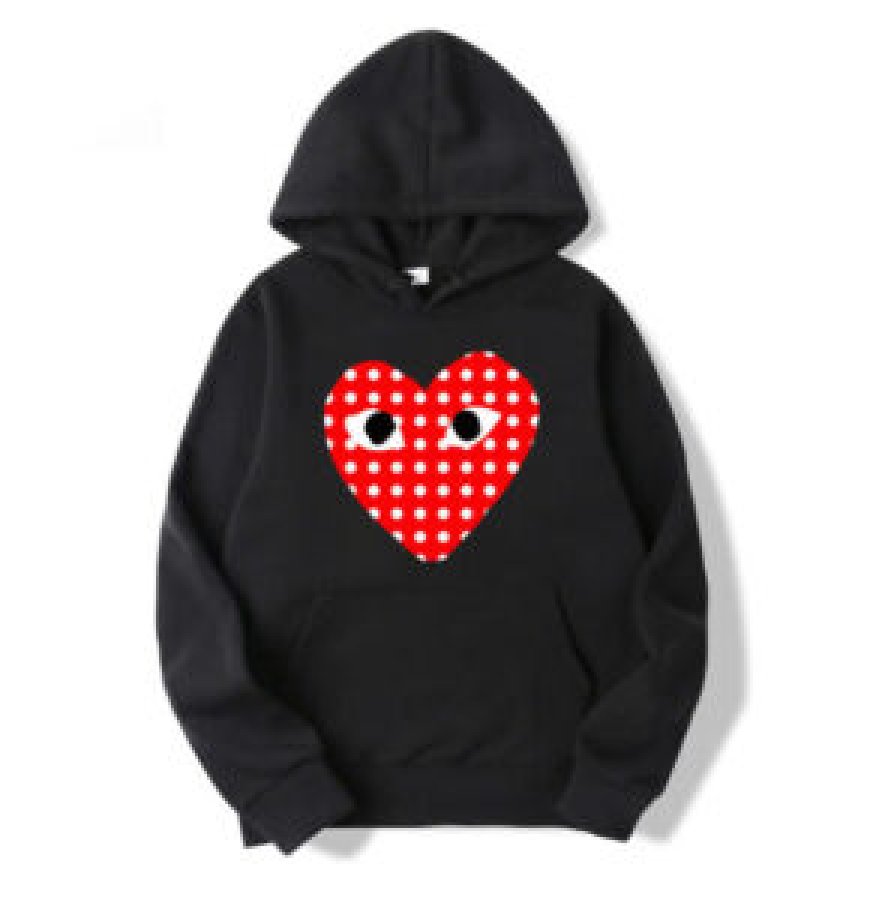
In a world saturated by fashion trends that come and go with every season, there are few labels that dare to challenge not just what we wear, but why we wear it. Comme des Garons, the brainchild of Japanese designer Rei Kawakubo, Comme Des Garcons stands defiantly in this space. It doesnt simply present clothesit tells stories, resists classification, and offers an unwavering refusal of the worlds simplistic narratives. To wear Comme des Garons is not to follow fashion; it is to confront the system that makes fashion so often shallow, predictable, and safe.
The Avant-Garde Begins with Rei Kawakubo
Founded in 1969 and officially established in Tokyo in 1973, Comme des Garonsmeaning like the boys in Frenchemerged as a disruptive force in fashion. Kawakubo, with no formal training in fashion design, brought a radical vision rooted in philosophy, asymmetry, and contradiction. Her collections from the beginning refused to conform to ideals of beauty, gender, or wearability. They were not designed to flatter but to challengeto provoke thought and stir discomfort.
Her infamous 1981 Paris debut stunned the industry. Black, tattered, and deconstructed, the garments earned her the moniker Hiroshima chic. Critics were unsure whether what they were witnessing was destruction or a new beginning. But for Kawakubo, that was the point. She wasnt trying to appease fashion journalists or buyers. She was offering an alternative languagea new vocabulary for how the body, clothing, and identity might intersect.
Anti-Fashion as Philosophy
To call Comme des Garons anti-fashion is not entirely accurate, though the label has often been described that way. Kawakubo does not oppose fashion because she disregards it, but because she understands it too well. She sees through the system of surface-level trends, capitalist consumption, and market-driven aesthetics. Her response is to create work that critiques these very mechanisms.
Garments from Comme des Garons often appear unfinished, exaggerated, or intentionally ugly. Armholes misplaced, silhouettes oversized, seams exposed. These are not mistakes but statements. Kawakubo once said, For something to be beautiful, it doesnt have to be pretty. This is fashion stripped of gloss, made strange, raw, and unsettling. Its a kind of rebellion that insists on looking deeperpast first impressions and easy interpretations.
Refusing Gender, Embracing Ambiguity
Gender norms in fashion have long dictated the shapes, fabrics, and roles of garments. Comme des Garons continuously blurs and resists these binaries. While the label offers both mens and womens collections, distinctions are often irrelevant. Masculinity and femininity are not rigid endpoints in Kawakubos world but fluid concepts that can coexist within a single garment.
A woman in a Comme des Garons suit may appear powerful yet vulnerable; a man in an oversized, flowing tunic may seem assertive yet delicate. In each case, the wearer becomes part of a living artwork, transcending conventional categories. To wear these clothes is to question the very idea of what it means to be man or womanto embrace a middle space of ambiguity, honesty, and freedom.
The Body as Canvas, Not Commodity
Modern fashion often commodifies the body, tailoring it into standardized forms to meet idealized shapes. Comme des Garons disrupts this notion entirely. Many of Kawakubos designs obscure the body, adding lumps, protrusions, or misalignments that challenge the idea of the human form as sleek or sexualized.
The 1997 collection Body Meets Dress, Dress Meets Bodyknown colloquially as the lumps and bumps collectionfeatured padded garments that distorted natural silhouettes. Critics were baffled. But Kawakubos purpose was not to please. It was to liberate the body from societys sculpted ideals and allow it to be seen as abstract, complex, even uncomfortable.
These interventions force viewers and wearers to reconsider what clothing is for. Is it to seduce or conceal? To reveal identity or erase it? In the world of Comme des Garons, the answer is often: both, and neither.
Wearing Resistance, Living Conceptually
To wear Comme des Garons is not merely to dress. It is to make a statement, to carry the weight of conceptual thought stitched into fabric. These are garments that operate almost like performance artbold declarations of refusal. They reject fast fashion, homogeneity, and superficiality. They insist on attention, not for the sake of ego, but for the sake of expression.
When a person chooses to wear Comme des Garons, they signal an allegiance to thoughtfulness, to difficulty, to aesthetic resistance. Its not always comfortablephysically or socially. Strangers stare. Friends may ask, What is that? The response can never be simple, because the clothing isnt simple either. It asks questions more than it gives answers.
The Power of Not Belonging
There is a strange and beautiful power in not belonging, and Comme des Garons embodies this ethos. It is a brand that consistently chooses the outsideoutside of Parisian elegance, outside of gender norms, outside of commerce-driven design. In doing so, it has cultivated a loyal following of thinkers, creatives, and rebels who see in its pieces not just clothing, but a worldview.
This is not elitism. In fact, its the opposite. While haute couture often whispers exclusivity, Comme des Garons shouts universality through individualism. Anyone can wear it, but not everyone chooses to. Those who do must reckon with their own expectations of self and society. In return, they gain not just garments, but tools for transformation.
A Legacy of Provocation and Freedom
Rei Kawakubo rarely gives interviews. She prefers her work to speak. And it doesvolumes. Over five decades, she has maintained creative control, pushed against every boundary, and remained uninterested in pandering to the masses. Her designs have appeared in museums, been the subject of critical theory, and inspired generations of young designers. Yet she never seeks legacy. She seeks only freedomthe freedom to create without compromise.
This ethos has permeated her collaborations as wellfrom the wildly popular PLAY line with its iconic heart logo to partnerships with Nike, Supreme, and Louis Vuitton. Even in these more commercial ventures, a sense of irreverence remains. Comme des Garons does not dilute; it adapts, while staying true to its uncompromising DNA.
Conclusion: Wearing Comme des Garons Is a Form of Refusal
To wear Comme des Garons is not to follow fashionit is to resist it. It is to take part in an ongoing, evolving critique of beauty, gender, body, and meaning. Comme Des Garcons Long Sleeve It is to engage in a silent protest against conformity. These garments are not easy, and theyre not supposed to be. They demand that we think, that we feel, that we inhabit our bodies and our identities with courage.
In a world that often seeks easy answers, Comme des Garons offers difficult questions. And sometimes, wearing those questions is the most radical act of all.