

























The Perfect Plate: How to Build a Balanced Lebanese Meal
the beauty of Lebanese dining lies in its balance. A complete plate brings together protein, vegetables, grains, dips, and sharp contrasts, ensuring every element plays its part.

Lebanese cuisine is all aboutbalance of flavour, texture, and nutrition. A typical meal brings together grilled meats, fresh salads, hearty grains, and rich dips, offering something for every taste and dietary preference. For those exploring middle eastern food Newtown, understanding how a traditional Lebanese meal is built helps to appreciate its thoughtful structure and makes every bite more satisfying.
Start Light: Dips and Salads
A balanced Lebanese plate begins with mezze a variety of small, shareable dishes that awaken the palate.
Cold mezze like hummus, baba ghanouj, and garlic labneh offer creamy textures and bold flavours. These dips are typically enjoyed with warm Lebanese flatbread, providing a soft base to scoop up each bite.
Alongside them, salads like tabouleh and fattoush add freshness and acidity. Tabouleh is heavy on parsley and mint, while fattoush offers crunch with toasted bread and a citrus-sumac dressing.
These starters serve more than just taste they also balance richness with brightness, and prepare the appetite for whats next.
Add Protein: Grilled Meats or Plant-Based Mains
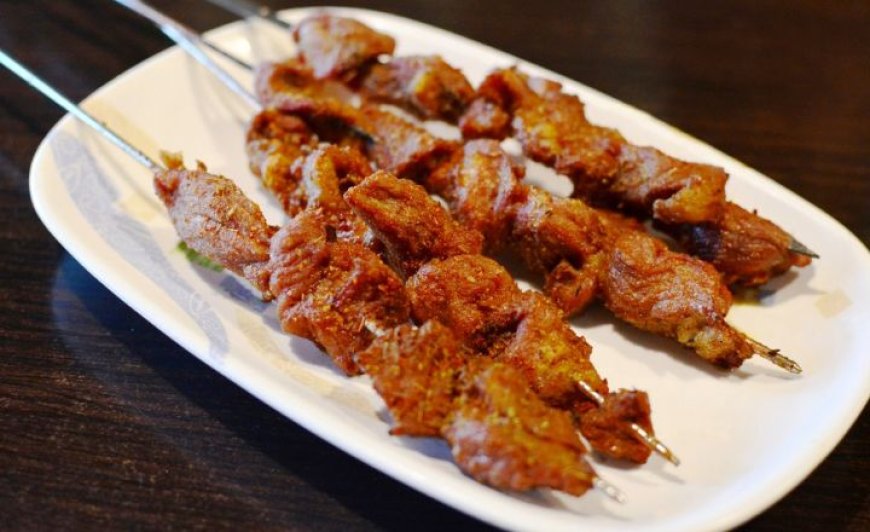
After mezze, the heart of the Lebanese meal lies in the main protein dishes. These often include grilled meats such as:
-
Kafta seasoned minced meat skewers
-
Shish tawouk marinated chicken breast grilled over charcoal
-
Grilled lamb skewers tender and smoky
Each is typically served with rice, bread, or salad never on its own reinforcing the Lebanese approach to building a complete plate.
Vegetarian options are just as central. Falafel, made from chickpeas and herbs, delivers crunch, protein, and warmth, while vine leaves stuffed with rice and vegetables provide depth and tang.
These protein elements are flavourful but not overpowering, allowing the sides and condiments to shine equally.
Complement with Carbs: Bread and Rice
Warm Lebanese flatbread is ever-present, acting as both a utensil and a complement to meats, dips, and salads. Bread is rarely eaten alone its used to wrap grilled meats, scoop up hummus, or sandwich falafel with pickles and garlic sauce.
In many traditional meals, rice plays a quiet but essential role. Whether plain or spiced with cinnamon and topped with nuts (as in mansaf dejaj), rice adds comfort and balance, grounding dishes that are otherwise bold in flavour.
Dont Forget the Pickles and Sauces
A well-rounded Lebanese meal isnt complete without a sharp contrast and thats where pickled vegetables and garlic sauces come in.
Pickles, often made from turnips, cucumbers, or chillies, add crunch and tang that refresh the palate. Garlic sauce (toum), with its sharp, whipped texture, pairs especially well with grilled chicken or fried falafel, lifting their flavour without overpowering them.
These little extras create dimension and prevent the meal from becoming too heavy or one-note.
A Meal Meant to Be Shared
Lebanese meals are traditionally shared, not individually plated. This format encourages variety and ensures every diner can build their perfect bite a little meat, a touch of hummus, some salad, a bite of bread.
This flexibility is what makes Lebanese food so approachable. Whether youre vegetarian, gluten-free, or meat-loving, its easy to create a balanced, nourishing plate that fits your needs.
In summary, the beauty of Lebanese dining lies in its balance. A complete plate brings together protein, vegetables, grains, dips, and sharp contrasts, ensuring every element plays its part.
If you're enjoying middle eastern food in Newtown, consider building your meal the traditional way from cold mezze to grilled meats, with plenty of bread, salad, and pickles in between. Its a thoughtful, flavourful way to eat, and one that leaves you both satisfied and nourished.