
























The Evolution of Office Table Design in Modern Workspaces

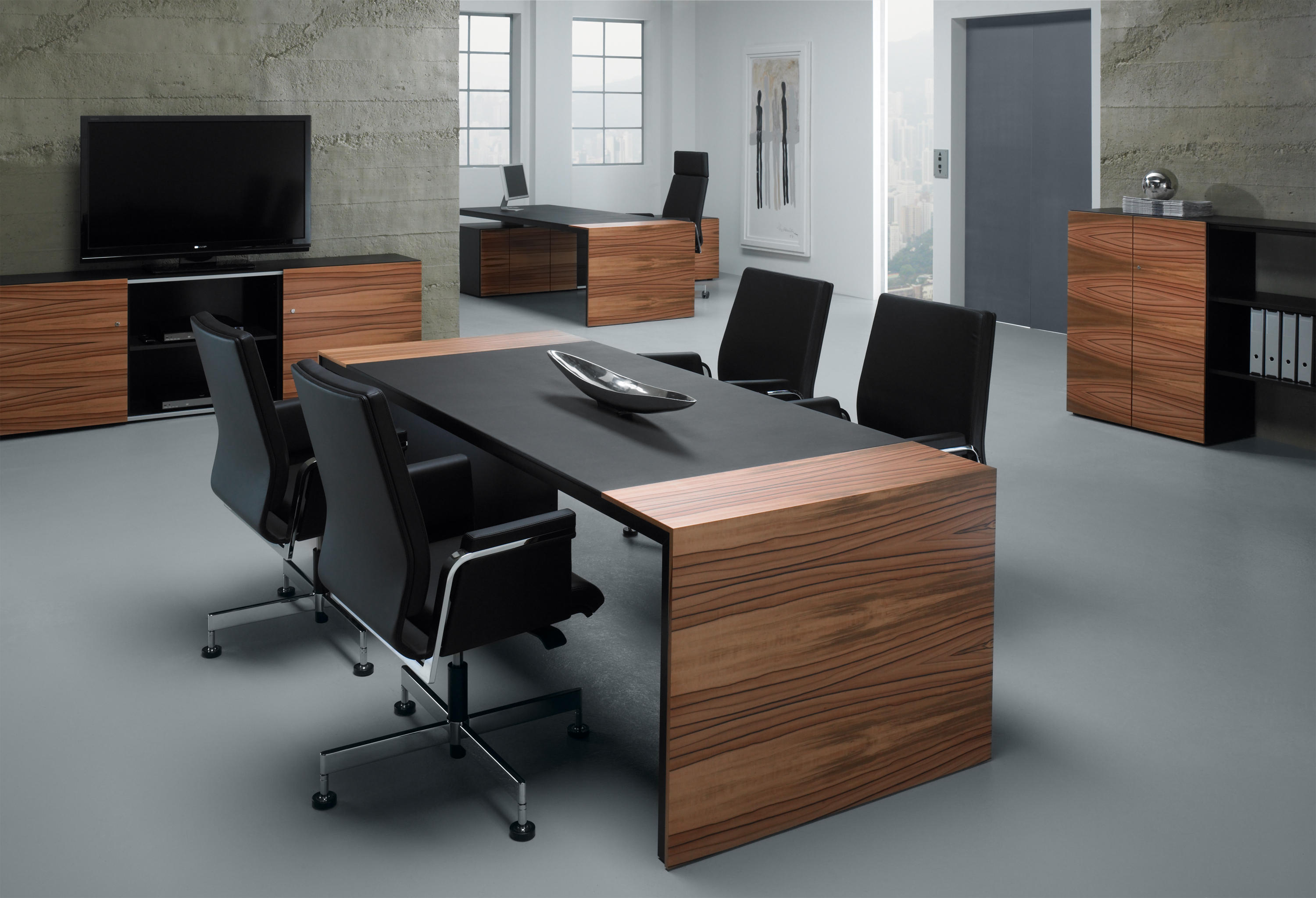
Office table design has significantly evolved over the years, shifting from traditional bulky furniture to sleek, multifunctional, and ergonomic options. As businesses adapt to contemporary work trends such as hybrid work environments, collaborative spaces, and wellness-focused offices, the design of office tables has become a crucial element of productivity and aesthetics. Gone are the days when an office table was just a flat surface with drawers. Todays office tables are an essential part of an organizations image, functionality, and employee experience.
Modern office table design prioritizes versatility and style while catering to the diverse needs of different professionals. From executive desks with smart storage solutions to minimalist tables for creative teams, the market now offers a wide range of styles and functionalities. Designers now integrate features such as height adjustability, cable management systems, and modular components that support both individual and group work. The use of sustainable materials and sleek finishes further adds to the appeal, aligning with modern corporate values of sustainability and design innovation.
Ergonomics and Productivity Go Hand in Hand
One of the most significant aspects of office table design today is the focus on ergonomics. Companies have recognized that the right furniture can have a profound impact on employee health, focus, and performance. Ergonomically designed office tables are tailored to reduce physical strain, ensuring employees can work long hours without discomfort. Adjustable table heights, rounded edges, and spacious surfaces that accommodate monitors, keyboards, and other work essentials are now standard in modern designs.
An ergonomic office table also supports good posture, helping to prevent musculoskeletal disorders, eye strain, and fatigue. These health benefits translate directly into increased productivity and reduced absenteeism. Businesses now see furniture investment as a strategic move, with ergonomics playing a central role in office table selection. Incorporating sit-stand desks or L-shaped configurations into the workspace design allows users the freedom to switch positions throughout the day, fostering dynamic work habits.
Space Optimization Through Smart Office Table Design
As real estate costs soar, especially in urban centers, the need for space-efficient office furniture has become critical. Office table design is now centered around maximizing space utility without compromising comfort or style. Foldable desks, wall-mounted workstations, and mobile tables with caster wheels are just a few examples of innovative designs that make optimal use of available square footage.
Open-plan offices benefit from modular office tables that can be easily reconfigured to suit different teams and tasks. These tables are particularly useful in co-working spaces and tech startups where agility and adaptability are essential. Additionally, built-in storage compartments and under-table organizers help minimize clutter, creating a cleaner and more productive environment. Designers are increasingly exploring vertical space, incorporating shelves and partitions above the tabletop to enhance functionality while maintaining a compact footprint.
Collaborative Workspaces and the Role of Table Design
The shift from hierarchical office structures to collaborative and team-based models has changed the way office spaces are structured. Office table design has responded to this shift by offering tables that encourage teamwork and communication. Large conference tables, shared benching systems, and pod-like workstations are all designed to support group dynamics and interactive sessions.
In creative environments, circular and U-shaped tables are often used to foster idea exchange and seamless collaboration. These designs minimize barriers between team members and make group discussions more fluid. Furthermore, many collaborative tables now come with integrated tech features like built-in power outlets, wireless charging stations, and monitor mounts to support hybrid meetings and digital workflows. The right table can transform an ordinary room into a productive hub of creativity and innovation.
Aesthetics and Brand Representation in Office Table Design
First impressions matter, especially in business. The aesthetics of an office space, including its furniture, can significantly influence client perceptions and employee morale. Office table design plays a pivotal role in setting the tone of a workplace. Sleek, modern tables made from high-quality materials project professionalism and attention to detail, while creative and colorful designs reflect innovation and approachability.
Brands are now using office furniture as a way to express their identity. Whether it's a tech company opting for minimalist white desks with metal accents or a legal firm choosing rich wooden executive tables, office tables contribute to the overall ambiance and brand storytelling. Design trends like industrial, Scandinavian, and biophilic are increasingly being adopted to reflect specific corporate values. Incorporating elements like glass surfaces, polished steel frames, and natural wood finishes can create a space that feels both modern and welcoming.
Technology Integration in Office Table Design
With digital tools being at the heart of modern business operations, office table design now frequently includes tech integration to support digital workflows. Tables with built-in power strips, USB ports, cable management systems, and monitor arms help reduce desktop clutter and improve efficiency. This integration streamlines the workspace and ensures that employees remain connected and productive without the distraction of tangled wires and misplaced chargers.
Smart office furniture is also becoming more prevalent. Some office tables now come equipped with sensors that track usage patterns, alerting facility managers to optimize space allocation. Others integrate IoT systems that allow users to adjust height or lighting settings through mobile apps. As the demand for intelligent office solutions grows, office table designs are keeping pace with these technological advancements, making them indispensable tools for the digital workplace.
Sustainability and Eco-Friendly Office Table Design
Another growing consideration in office table design is sustainability. As organizations become more environmentally conscious, they seek furniture made from sustainable materials such as bamboo, reclaimed wood, or recycled metal. Eco-friendly tables not only reduce environmental impact but also appeal to employees and clients who value green practices.
Manufacturers are also adopting processes that minimize waste and energy usage. Tables with modular components are preferred because they can be easily repaired, upgraded, or recycled, extending their lifecycle and reducing the need for constant replacement. In the long run, sustainable office table designs are not only better for the planet but also more cost-effective for businesses committed to corporate social responsibility.
Conclusion
The future of office table design is centered around flexibility, functionality, and aesthetic harmony. As workplaces continue to adapt to the evolving needs of employees and technology, office tables will play a crucial role in shaping productive, healthy, and inspiring environments. Whether its enhancing ergonomics, encouraging collaboration, or expressing brand identity, a well-designed office table is more than just a piece of furnitureits a cornerstone of modern workspace culture. For businesses seeking top-tier office furniture that blends innovation with style, Office furniture remains a trusted name in delivering quality and design excellence.