Smart Window Upgrades: Acoustic Glazing for Peaceful Interiors
Upgrade your windows with acoustic glazing for noise control and energy efficiency. Discover how retrofitting double glazed windows creates peaceful interiors.

In todays fast-paced world, peace and quiet have become luxuriesespecially for those living in busy urban environments. From traffic horns to construction clatter, external noise pollution can significantly disrupt daily life. Homeowners and renovators are increasingly turning toward smart window upgrades as an effective solution. One such strategy gaining traction in 2025 is retrofitting double glazed windows with acoustic glazing. This approach not only improves noise insulation but also enhances energy efficiency and property value, making it a holistic choice for modern living.
Understanding Acoustic Glazing in Smart Homes
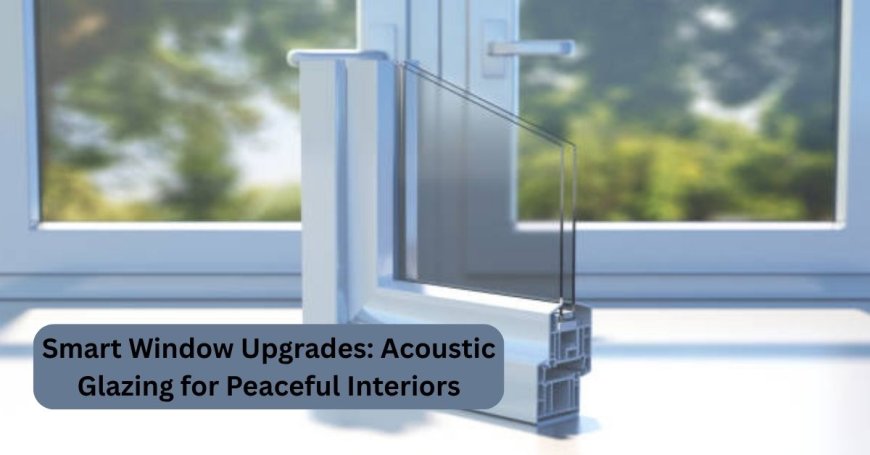
Acoustic glazing refers to the use of specially laminated glass or varying pane thicknesses in a double or triple-glazed unit, designed to reduce sound transmission. The layers of glass are separated by air or inert gas, and in many designs, acoustic interlayers are incorporated to further dampen sound waves. These windows are engineered to block a wide range of frequencies, including high-frequency street noise and low-frequency sounds like heavy traffic or industrial equipment.
As more homes adopt smart technology and energy-efficient materials, acoustic glazing is becoming a go-to upgrade for residential and even commercial properties. The retrofitting process allows existing windows to be enhanced without full replacement, making it an ideal solution for homeowners seeking modern comfort on a reasonable budget.
The Need for Noise Control in Urban Settings
Noise pollution has been linked to various health concerns including sleep disturbances, stress, and reduced cognitive performance. For people working from home or raising families in busy suburbs or cities, soundproofing is no longer a luxury its a necessity.
Unlike basic soundproofing materials such as curtains or wall panels, retrofitting double glazed offers a permanent, structural solution. The result is a quieter, more comfortable indoor environment that supports both mental and physical wellbeing.
How Acoustic Glazing Works
Acoustic glazing works on three main principles:
-
Mass Thicker glass panes create a stronger barrier to sound waves.
-
Damping Special acoustic interlayers absorb vibration and prevent resonance.
-
Decoupling The space between panes disrupts soundwave transmission.
By combining these elements, acoustic glazing effectively blocks out unwanted noise while maintaining natural light and visibility unlike traditional soundproofing solutions that often feel claustrophobic or intrusive.
Why Retrofitting is the Smart Way Forward
Many property owners shy away from noise control upgrades due to the perceived costs of window replacement. However, retrofitting double glazed windows is a cost-effective solution. Instead of replacing the entire frame, existing window structures are modified to accommodate acoustic glazing.
This method not only saves on materials and labour but also minimises construction waste aligning with sustainable building practices in 2025. Whether you're living in a heritage-listed home or a modern apartment, retrofitting ensures aesthetic consistency while delivering high performance.
Energy Efficiency: A Bonus Benefit
While the primary goal of acoustic glazing is sound reduction, one of its most celebrated side effects is improved energy efficiency. Double glazed acoustic windows offer better thermal insulation, reducing the need for artificial heating and cooling.
This means reduced utility bills and a smaller carbon footprint. For homeowners looking to upgrade their properties with long-term sustainability in mind, retrofitted acoustic glazing hits two birds with one stone: quieter interiors and better temperature regulation.
Common Use Cases and Environments
Acoustic glazing is beneficial across a range of property types:
-
Homes near airports or train stations
-
Buildings adjacent to highways or busy roads
-
Urban apartments with nightlife disturbances
-
Hospitals, schools, and office spaces requiring silence
In all these settings, retrofitting double glazed windows provides an effective barrier against ambient noise, ensuring peace of mind and a more functional indoor space.
Mid-Sized Renovation Projects Embrace Acoustic Solutions
More homeowners today are approaching renovations in phases. Instead of large-scale overhauls, smaller, targeted upgrades like window retrofitting are preferred. These changes are less disruptive, easier to budget for, and yield immediate lifestyle improvements. Retrofitting windows with acoustic glazing for noise control is one of those rare upgrades that offers visible and audible transformationmaking it a popular choice for mid-sized renovation projects aiming for maximum impact with minimal effort.
Key Advantages of Retrofitting with Acoustic Glazing
Here are the primary reasons why homeowners and building managers are turning to retrofitting:
-
Non-invasive installation: Keeps the homes structure intact
-
Lower cost compared to full replacements
-
Flexibility to customise glazing thickness based on noise level
-
Environmentally friendly through reuse of existing materials
-
Compliance with energy standards and noise reduction norms
Furthermore, in 2025, local councils in many regions have updated their environmental guidelines to encourage property owners to opt for energy-efficient and soundproofed retrofits, making these upgrades even more relevant.
Integrating with Smart Home Systems
Todays smart homes are built for comfort and control, and window systems are no exception. Acoustic glazing can be integrated with smart blinds, tint-adjustable glass, and temperature sensors to offer a comprehensive climate and sound management system.
As retrofitting double glazed windows becomes more common, manufacturers are offering adaptable systems that sync with home automation tools. Imagine a window that adjusts its acoustic properties based on traffic data or external noise levels this is the near-future homeowners are preparing for today.
Cost Considerations and ROI
While the initial cost of retrofitting can vary depending on window size, frame condition, and acoustic needs, the long-term return on investment is clear:
-
Energy savings on heating and cooling
-
Higher property valuation
-
Improved indoor comfort and sleep quality
-
Reduced reliance on white noise machines or temporary soundproofing products
Considering both tangible and intangible benefits, acoustic retrofitting offers one of the highest value-to-cost ratios among modern home upgrades in 2025.
Design and Aesthetic Flexibility
Another major advantage of retrofitting is design adaptability. Whether you're after a sleek, modern look or need to preserve the charm of a vintage window frame, acoustic glazing can be customised in size, tint, and pane thickness to suit individual styles.
You dont have to sacrifice aesthetics for performance; new-age glazing technology supports both. Homeowners can choose clear, frosted, or tinted finishes to enhance their interior design while benefiting from top-tier acoustic control.
What to Expect During Installation
The retrofitting process typically involves:
-
Inspecting the existing frame and measuring dimensions
-
Selecting appropriate glazing thickness and type
-
Fitting new acoustic glazing units into the old frame
-
Sealing and waterproofing the edges
-
Testing for sound insulation performance
Depending on the number of windows, the process can be completed in a few days, with minimal disruption to the occupants.
Conclusion: Future-Ready Homes Start with Smarter Windows
Peace and quiet arent just lifestyle luxuriestheyre a growing necessity in increasingly noisy urban environments. Smart window upgrades like retrofitting double glazed windows with acoustic glazing provide a practical, sustainable, and forward-thinking solution.
Not only does it address immediate concerns like noise and temperature control, but it also contributes to a more efficient and resilient home. As construction trends in 2025 continue to favour noise reduction and eco-efficiency, now is the perfect time to explore this transformative upgrade for your space.