Introduction
The rapid evolution of customer service expectations has transformed how businesses operate across the Middle East, with drive-thru services emerging as a critical component of modern retail and hospitality strategies. This service model has gained tremendous popularity as consumers increasingly value convenience, speed, and contactless service options in their daily interactions with businesses.
Drive-thru services represent more than just a convenience feature; they embody a fundamental shift toward customer-centric business operations that prioritize efficiency and accessibility. As businesses adapt to changing consumer behaviors and technological capabilities, drive-thru solutions have become essential for maintaining competitive advantages in fast-paced markets.
The integration of advanced technology with traditional drive-thru concepts has created sophisticated service systems that enhance customer experiences while improving operational efficiency. From automated ordering systems to mobile payment integration, modern drive-thru solutions leverage cutting-edge technology to deliver seamless service experiences.
Drive thru solutions encompass comprehensive systems designed to streamline customer service operations while maximizing efficiency and customer satisfaction. These solutions integrate various technologies, processes, and infrastructure elements to create seamless service experiences that meet modern consumer expectations for speed and convenience.
Modern drive thru solutions incorporate sophisticated point-of-sale systems that enable rapid order processing, inventory management, and customer data collection. These systems provide real-time analytics that help businesses optimize operations, reduce wait times, and improve service quality through data-driven insights.
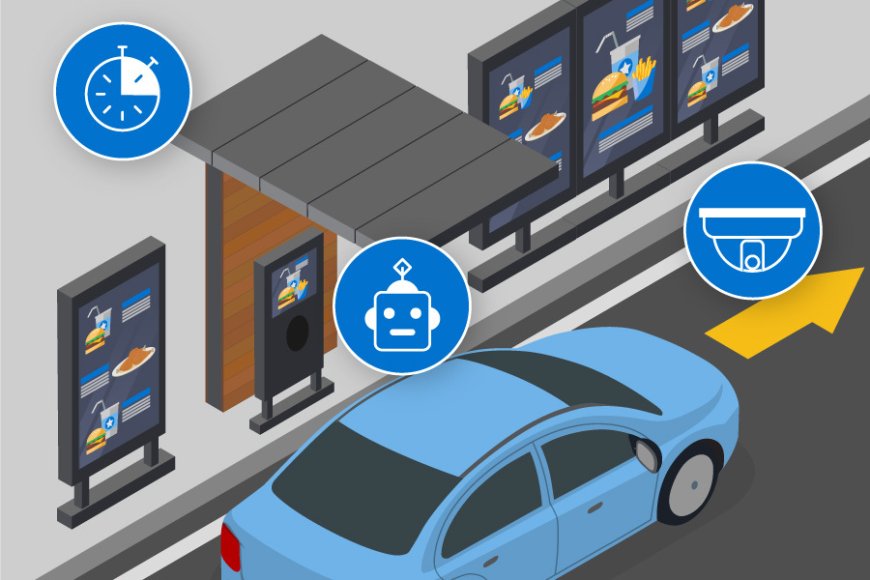
The design and layout of drive thru solutions require careful consideration of traffic flow patterns, vehicle accommodations, and operational efficiency. Proper lane configuration, clear signage, and strategic placement of service windows ensure smooth customer movement and minimize congestion during peak operating hours.
Technology integration in drive thru solutions includes digital menu boards, automated ordering systems, mobile app connectivity, and contactless payment options. These technological enhancements reduce order errors, speed up service delivery, and provide customers with convenient interaction methods that align with their preferences.
Audio-visual communication systems in drive thru solutions ensure clear communication between customers and service staff. High-quality intercom systems, noise reduction technology, and visual confirmation displays help maintain service accuracy and customer satisfaction even in challenging environmental conditions.
Quality control measures within drive thru solutions maintain consistency in service delivery and product quality. Standardized procedures, training protocols, and monitoring systems ensure that customers receive reliable service experiences regardless of location or time of visit.
Sustainability considerations in drive thru solutions address environmental concerns through energy-efficient equipment, waste reduction programs, and eco-friendly packaging options. These initiatives align with growing consumer awareness of environmental issues and corporate social responsibility expectations.
Drive thru solutions in Saudi Arabia have experienced remarkable growth as businesses adapt to local market conditions, cultural preferences, and regulatory requirements. The Kingdom's Vision 2030 initiative has accelerated digital transformation across industries, creating opportunities for innovative drive-thru service implementations.
Cultural considerations play a significant role in drive thru solutions in Saudi Arabia, with businesses adapting their services to accommodate local customs, family structures, and social norms. These adaptations include family-friendly service options, privacy considerations, and culturally appropriate communication approaches.
The regulatory environment in Saudi Arabia influences drive thru solutions through licensing requirements, health and safety standards, and operational guidelines. Businesses must ensure compliance with local regulations while maintaining service quality and operational efficiency.
Climate considerations are particularly important for drive thru solutions in Saudi Arabia due to extreme temperatures and weather conditions. Specialized equipment, climate control systems, and weather-resistant infrastructure ensure reliable operations throughout challenging environmental conditions.
Technology adoption in Saudi Arabia's drive thru solutions reflects the country's embrace of digital innovation and smart city initiatives. Advanced payment systems, mobile integration, and automated service technologies align with the Kingdom's digital transformation goals and consumer expectations.
Local partnerships and supply chain considerations for drive thru solutions in Saudi Arabia require understanding of domestic suppliers, logistics networks, and regional business practices. These relationships are essential for maintaining efficient operations and supporting local economic development.
The workforce development aspect of drive thru solutions in Saudi Arabia supports the Kingdom's Saudization goals by creating employment opportunities and skill development programs. Training initiatives ensure that local staff can effectively operate advanced drive-thru systems and provide excellent customer service.
Market expansion opportunities for drive thru solutions in Saudi Arabia continue to grow as consumer acceptance increases and businesses recognize the competitive advantages of convenient service options. This growth is supported by urbanization trends, changing lifestyle patterns, and increasing disposable income levels.
Fast food and quick service restaurants represent the most common application of drive-thru solutions, with established operational models and proven customer acceptance. These businesses benefit from increased throughput, reduced staffing requirements, and enhanced customer convenience through efficient drive-thru operations.
Coffee shops and beverage retailers have successfully implemented drive-thru solutions to serve time-conscious customers who value quick access to their favorite drinks. These applications often incorporate loyalty programs, mobile ordering, and personalized service options to enhance customer relationships.
Pharmacies and healthcare providers utilize drive-thru solutions to improve patient convenience and safety, particularly for prescription pickups and basic health services. These implementations prioritize privacy, accuracy, and compliance with healthcare regulations while providing accessible service options.
Banking and financial services institutions employ drive-thru solutions for routine transactions, account services, and customer support. These applications combine security requirements with customer convenience, utilizing advanced technology to ensure safe and efficient financial service delivery.
Retail and grocery businesses are expanding drive-thru solutions to include order fulfillment, pickup services, and specialized product categories. These implementations support e-commerce integration and omnichannel retail strategies that meet evolving consumer shopping preferences.
Technology Integration
Point-of-sale integration in drive-thru solutions enables seamless transaction processing, inventory management, and customer data collection. These systems provide real-time reporting and analytics that support operational optimization and strategic decision-making.
Mobile application connectivity allows customers to place orders, make payments, and track service status through their smartphones. This integration reduces wait times, improves order accuracy, and provides customers with greater control over their service experience.
Digital menu boards and display systems enhance visual communication, enable dynamic pricing, and support promotional campaigns. These technologies can be updated remotely and provide flexibility in menu presentation and marketing messaging.
Automated ordering systems reduce labor requirements and improve order consistency through voice recognition technology and artificial intelligence. These systems can handle routine orders while allowing staff to focus on complex customer needs and service quality.
Payment processing integration supports multiple payment methods including contactless cards, mobile payments, and digital wallets. This flexibility accommodates diverse customer preferences and reduces transaction friction.
Operational Considerations
Staffing requirements for drive-thru solutions involve specialized training in customer service, technology operation, and efficiency optimization. Proper staffing levels ensure adequate coverage during peak hours while maintaining service quality standards.
Maintenance and support programs for drive-thru solutions ensure reliable equipment operation and minimize service disruptions. Regular maintenance schedules, preventive care programs, and rapid response support maintain optimal system performance.
Quality assurance measures include service time monitoring, order accuracy tracking, and customer satisfaction surveys. These metrics help businesses identify improvement opportunities and maintain consistent service standards.
Inventory management integration ensures adequate product availability and reduces waste through demand forecasting and automated reordering systems. These capabilities are essential for maintaining service reliability and operational efficiency.
Future Trends
Artificial intelligence and machine learning applications in drive-thru solutions enable predictive analytics, personalized recommendations, and automated service optimization. These technologies will continue to enhance operational efficiency and customer satisfaction.
Contactless service options will expand beyond payment processing to include voice ordering, gesture recognition, and autonomous service delivery. These innovations align with changing consumer preferences for minimal physical contact in service interactions.
Sustainability initiatives will drive adoption of energy-efficient equipment, renewable energy sources, and eco-friendly packaging materials. These efforts support corporate responsibility goals and meet growing consumer expectations for environmental stewardship.
Integration with smart city infrastructure will enable traffic optimization, energy management, and data sharing that benefits both businesses and communities. These connections support broader urban development goals and operational efficiency.
Conclusion
Drive-thru solutions continue to evolve as essential components of modern business operations, particularly in dynamic markets like Saudi Arabia. The combination of technological innovation, cultural adaptation, and operational excellence creates opportunities for businesses to enhance customer satisfaction while improving operational efficiency.
Success in implementing drive-thru solutions requires careful consideration of local market conditions, customer preferences, and regulatory requirements. Businesses that invest in comprehensive drive-thru solutions position themselves for long-term success in increasingly competitive markets.
Frequently Asked Questions
Q: What are the key regulatory requirements for implementing drive-thru solutions in Saudi Arabia? A: Drive-thru implementations in Saudi Arabia must comply with municipal licensing requirements, health and safety regulations, traffic management guidelines, and environmental standards. Businesses should consult with local authorities and regulatory experts to ensure full compliance with all applicable requirements.
Q: How much investment is typically required to implement a comprehensive drive-thru solution? A: Investment requirements vary significantly based on complexity, technology integration, and infrastructure needs. Basic drive-thru setups might require $50,000-$150,000, while comprehensive solutions with advanced technology could cost $200,000-$500,000 or more, depending on specific requirements and local market conditions.
Q: What technologies are most important for successful drive-thru operations in Saudi Arabia? A: Essential technologies include reliable point-of-sale systems, clear audio-visual communication equipment, contactless payment processing, climate-appropriate infrastructure, and mobile app integration. Advanced features like AI-powered ordering and predictive analytics can provide additional competitive advantages.
Q: How can businesses ensure drive-thru solutions align with local cultural preferences in Saudi Arabia? A: Cultural alignment requires understanding local customs, family dynamics, privacy expectations, and service preferences. This includes offering family-friendly service options, respecting cultural norms in communication, providing appropriate privacy measures, and adapting service hours to local patterns and religious observances.
Q: What ongoing support and maintenance should businesses expect for drive-thru solutions? A: Ongoing support includes regular equipment maintenance, software updates, staff training, performance monitoring, and technical support services. Businesses should budget 10-20% of initial investment annually for maintenance and support, with additional costs for major upgrades or system expansions as needed.