























Remote Solutions for Aging Water Infrastructure
Remote monitoring transforms aging water infrastructure with smart tech, real-time alerts, and data-driven maintenance for lasting resilience.
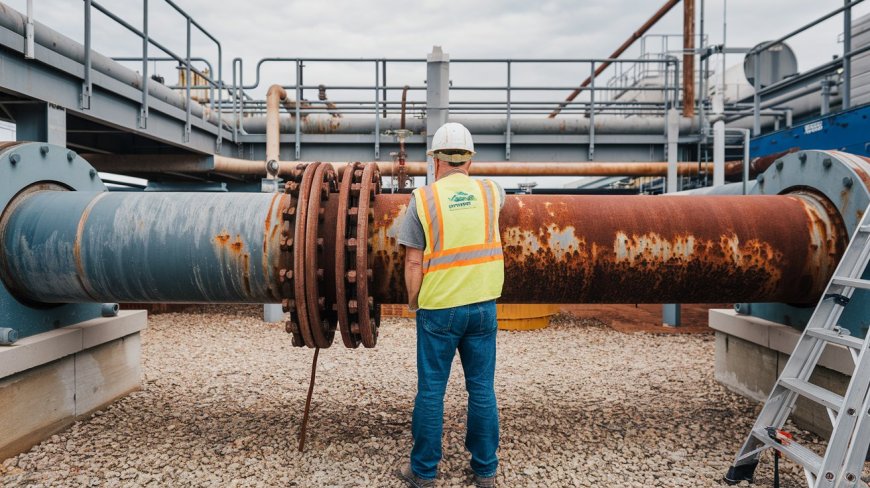
In every corner of the country, from small towns to large metro areas, one truth remains: our water infrastructure is getting oldvery old. Pipes that were installed decades ago are now corroded, inefficient, and prone to failure. Meanwhile, cities are expected to deliver clean water to growing populations and ensure wastewater systems function without interruption. But how do you manage a system thats aging faster than it can be replaced?
Thats where remote solutions come into play, offering a lifeline to municipalities struggling to maintain vast networks with limited budgets and minimal downtime. With tools like sensors, cloud-based software, and Real-Time Water Alerts, utilities can now monitor the health of their water systems without having to be everywhere at once.
Remote technologies are helping cities stay ahead of water main breaks, track hidden leaks, and extend the lifespan of their infrastructureall while reducing the need for boots-on-the-ground inspections. This approach is revolutionizing how we care for one of our most critical, yet overlooked, public services.
The Scope of the Problem
Water infrastructure in the United States is aging rapidly. Many water mains in service today were installed in the early to mid-20th century. These pipes werent made to last forever, and in some cases, theyre operating well beyond their intended life span.
Each year, aging infrastructure leads to an estimated 240,000 water main breaks and billions of gallons of lost drinking water. Replacing everything is financially and logistically impossible in the short termso utilities must find smarter ways to manage what they have.
Why Traditional Methods No Longer Work
Historically, utilities relied on manual inspections, user complaints, and periodic maintenance schedules to keep things running. But these approaches are reactive. Crews only discover issues after damage is done, leading to costly emergency repairs, traffic disruptions, and potential health hazards.
In contrast, remote solutions are proactive. They provide continuous insight into system performance, allowing utilities to spot issues before they become full-blown problems. This shift from reactive to proactive maintenance is a game-changer.
Remote Monitoring: A Digital Lifeline
Remote monitoring involves the use of connected devicesoften powered by the Internet of Things (IoT)to track system conditions in real-time. These devices gather data on water pressure, flow rates, temperature, and more.
That data is transmitted instantly to a central dashboard, giving operators the ability to view the status of the entire network from a single screen. Real-Time Water Alerts are triggered whenever unusual patterns or measurements are detected, allowing for quick responses that minimize disruption.
Use Cases That Deliver Impact
From city centers to rural townships, remote monitoring is delivering clear benefits:
-
Leak Detection: Sensors can detect pressure drops that suggest leakseven before the ground becomes wet. This allows repairs to be made before costly damage occurs.
-
Asset Longevity: Continuous monitoring can reveal which pipes or pumps are under strain, helping utilities prioritize which assets to replace first.
-
Energy Efficiency: Systems can be tuned in real time, optimizing water flow and pump performance to reduce energy use.
-
Emergency Preparedness: Remote monitoring improves response during natural disasters or system failures, providing real-time updates on system vulnerabilities.
Scalability for Systems of All Sizes
One of the biggest strengths of remote solutions is scalability. Whether a utility serves 2,000 people or 2 million, these technologies can be tailored to fit. Smaller systems can begin with a few strategically placed sensors, while larger operations might build entire smart networks across their infrastructure.
The ability to scale gradually means even the smallest municipalities can benefit from cutting-edge techwithout needing a million-dollar budget.
Affordable Investment with Long-Term Savings
While the initial investment in remote systems can be a hurdle, the long-term savings are undeniable. Avoiding just one major water main break can recoup the cost of a monitoring system many times over.
Remote solutions also reduce the cost of labor-intensive tasks like manual meter reading, site inspections, and emergency overtime. As a result, utilities can stretch their limited resources much further.
Reducing Water Loss and Wasted Resources
Water is too valuable to wasteespecially in drought-prone regions. Remote systems help reduce "non-revenue water," or water thats produced but never billed due to leaks, theft, or meter inaccuracies.
By identifying leaks quickly, utilities can stop water loss in its tracks. That means more water for the community, less waste, and more revenue to reinvest in infrastructure upgrades.
Data-Driven Decision-Making
With remote monitoring, utilities no longer need to guess whats happening underground. The continuous stream of data allows for smarter, evidence-based decisions. Instead of replacing pipes based on age alone, utilities can focus on performance and actual risk.
This approach makes capital planning more effective and ensures that limited funds go where theyre needed most.
Boosting Public Trust Through Transparency
When something goes wronglike a boil-water advisory or a major outageresidents want to know whats happening and why. Remote solutions enable utilities to communicate more clearly and accurately.
Some municipalities even integrate monitoring data into public dashboards, giving residents peace of mind and reducing customer service calls. Transparency builds trust, and trust strengthens public support for future upgrades and investments.
Integration with Other City Systems
Remote water infrastructure monitoring doesnt need to operate in a silo. It can be integrated with other city systems, including energy grids, weather monitoring, and emergency services.
For example, if a storm is forecasted, systems can preemptively shut down vulnerable segments or reroute flows. If an earthquake hits, sensors can instantly detect pipe shifts and signal which areas need inspection first. The result is a smarter, more responsive city.
Overcoming the Learning Curve
One concern that smaller utilities often have is whether theyll be able to use this technology. The good news? Todays remote monitoring platforms are designed for simplicity. Most use intuitive dashboards, mobile apps, and built-in tutorials that make it easy to get started.
In many cases, vendors provide training, support, and maintenancemeaning even teams with limited tech experience can succeed.
Future-Proofing Infrastructure
With each passing year, the cost of inaction grows. As infrastructure ages and environmental challenges mount, cities and towns need to be ready.
Remote solutions wont replace every pipe or pump, but they can help utilities make smarter choices, stretch their budgets, and avoid disasters. In short, theyre a critical tool for future-proofing aging water systems and ensuring clean, safe water for generations to come.
Conclusion
Aging water infrastructure is one of the most pressing challenges facing modern utilitiesbut it doesnt have to be a losing battle. With the help of remote monitoring, utilities can gain real-time visibility into their systems, prevent failures, and make informed decisions that save time, money, and water.
Its no longer a question of if cities should adopt these toolsits a matter of when. And for communities looking to modernize wisely, the time is now.