


























Easy Guide to Maintaining Your Water-Cooled Chiller

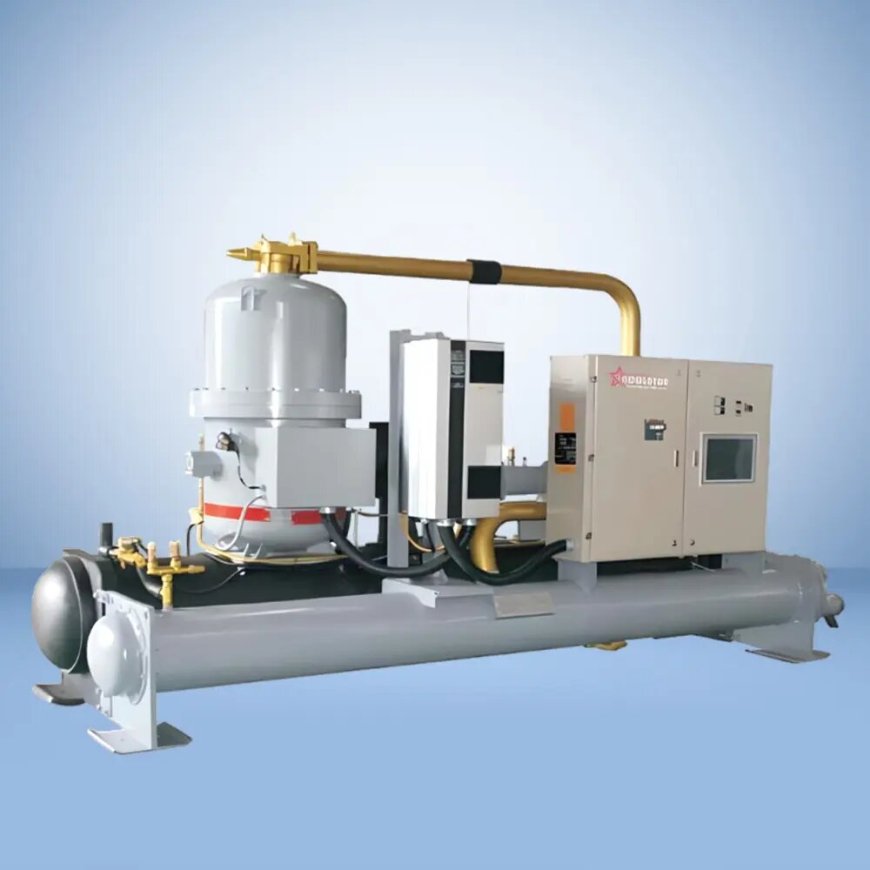
In its most basic form, a water cooled chiller is used to produce cold water. This cold water can be utilized to cool buildings or to lower temperatures during manufacturing processes. Cooling towers are used in combination with chillers to remove heat from the system.
In this guide, we offer a detailed maintenance checklist for water-cooled chillers, including start-up, pre-season inspection, and shutdown. As usual, follow your manufacturer's guidelines and consult with a chiller specialist to avoid missing any steps.
What Is a Water-Cooled Chiller?
A water-cooled chiller is a key part of many cooling systems, especially in commercial buildings, factories, and data centers. It helps keep things cool by removing heat from water and sending that heat elsewhere. This machine cools water by removing heat through a refrigeration cycle. The heat taken from the water is transferred to another set of water pipes, called the condenser water loop. This loop carries the heat to a cooling tower where it is released into the air.
General Water-Cooled Chiller Maintenance Tips:
We hope the checklists above assist you in traversing the major processes required for your water-cooled screw chiller maintenance. Follow the below chiller maintenance tips:
Condenser Water Treatment: Untreated water causes greater condenser pressures and less heat transfer. It can also lead to inconsistent water flow and temperature. Proper chemical treatments keep the system functioning properly.
Analyze and Change Compressor Oil - Analyzing oil ensures that you change it at the proper intervals.
Purge Low-Pressure MachinesThis entails ridding the system of non-condensable gases.
Analyzing Compressor Water Temperature - When feasible, raising the temperature of the water supplied to the facility will increase efficiency.
Consider Flow Rates - Flow rates should be greater than 3 feet per second but less than 12 feet per second. To sluggish, you will have flow troubles, and too high, vibration and noise will cause problems.
Daily or Weekly Checks
Check Water Flow
Make sure water is flowing properly through the system. Low flow can damage the chiller. These may be early signs of pump or valve issues.
Monitor Temperatures and Pressures
Record inlet and outlet water temperatures, refrigerant pressures, and ambient temperature. Comparing these numbers over time can help you notice if something isnt right.
Monthly Maintenance
Clean the Filters and Strainers
If filters clog, water flow drops and the system can overheat. Remove and clean filters regularly.
Check Electrical Connections
Loose wires or corroded terminals can cause faults or even electrical fires. Make sure all wiring is tight and clean.
Check Refrigerant Level
If the refrigerant is too low, the water-cooled chiller won't cool properly. Use the pressure readings to see if levels are in the normal range. If not, call a certified technician to inspect for leaks and recharge the system.
Quarterly Maintenance
Test Water Quality
Bad water can lead to scale and corrosion inside the pipes. Test water for pH, hardness, and other chemicals. Use water treatment chemicals if needed.
Inspect the Cooling Tower
The cooling tower releases heat into the air. Clean the tower to remove debris, algae, or mineral buildup. Check the fan and motor too.
Lubricate Bearings and Motors
Some water-cooled chiller models have motors or pumps that need oil or grease. Follow the manufacturer's instructions to lubricate these parts.
Annual Maintenance
Tube Cleaning
Over time, tubes in the heat exchanger get dirty from minerals in the water. This buildup slows down heat transfer. Use a tube cleaning kit to remove sludge and scale. For best results, this should be done by a chiller professional.
Vibration Analysis
Vibrations can damage internal parts. A vibration test can detect problems in the compressor or motor before they fail. This is usually done by a water and air-cooled chiller technician.
Full System Inspection
Once a year, have a certified HVAC technician do a complete inspection. They will check pressure controls, safety devices, and system performance.
Additional Maintenance Tips for Water-Cooled Chillers
To no one's surprise, chiller system expenses can consume a significant portion of your building's power expenditures. Fortunately, there are certain steps you can take to increase your chiller's efficiency and so save on energy expenditures. Here are some popular suggestions for running and maintaining water-cooled chillers:
-
Keeping daily logs that may easily and quickly forecast potential harm to the chiller system.
-
Regular cleaning of the chiller tubing
-
Periodic inspection of condenser water loops to reduce bacterial development, corrosion, and material scaling.
-
Reduce refrigerant leakages.
-
Glycol content should be measured on a regular basis to prevent ice jams and tube ruptures.
-
To prevent air and moisture from entering the chiller system, constantly examine the motor and starting mechanisms.
-
Installation of variable speed drives.
Conclusion
These are some maintenance tips for water-cooled chillers. Coolstar India is an industrial chiller manufacturer and supplier in India. We build and supply high-quality chillers that meet global industry standards. Contact our team today for more questions about chiller systems and other cooling solutions.