Lifeguard Class: What to Expect and How to Get Started
Whether you're looking for seasonal employment, career advancement, or essential life-saving knowledge, enrolling in a lifeguard class is a smart and responsible decision.

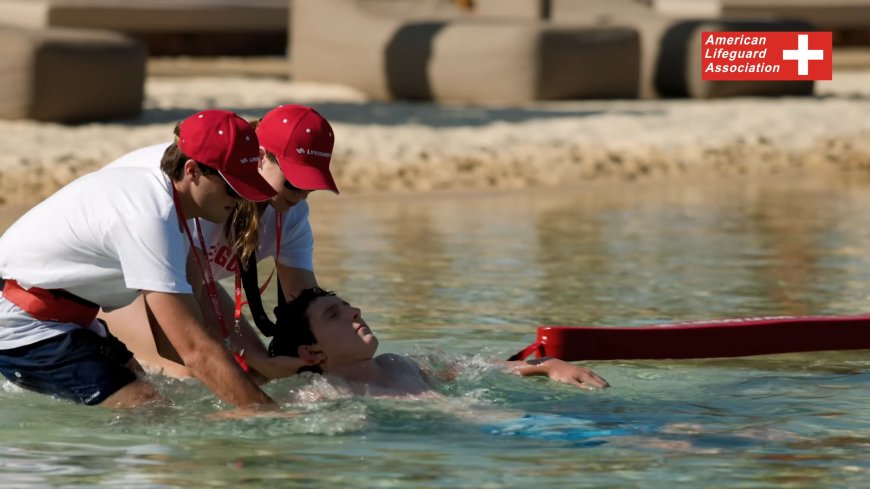
A lifeguard class is the first step toward becoming a certified professional trained to ensure the safety of swimmers in pools, beaches, waterparks, and other aquatic environments. These classes are designed to teach life-saving techniques, emergency response, and water rescue skills that are essential for both public and private safety roles.
Whether you're looking for seasonal employment, career advancement, or essential life-saving knowledge, enrolling in a lifeguard class is a smart and responsible decision.
1. What Is a Lifeguard Class?
A lifeguard class is a comprehensive training course that combines:
-
Water rescue techniques
-
First aid instruction
-
Surveillance and emergency preparedness
Classes typically include classroom learning, physical skill drills, and real-life scenario simulations. Upon successful completion, participants receive a lifeguard certification recognized by aquatic employers.
2. Who Should Take a Lifeguard Class?
Lifeguard classes are ideal for:
-
Teenagers and adults seeking jobs at aquatic facilities
-
Swim coaches, instructors, or camp staff needing certification
-
Athletes or strong swimmers interested in safety training
-
Anyone looking to learn essential life-saving skills
Minimum age requirements typically start at 15 or 16 years old, and basic swimming ability is necessary.
3. Key Skills Taught in a Lifeguard Class
a. Water Rescue Techniques
Learn how to assist and safely remove swimmers from danger, including:
-
Rescuing active and passive drowning victims
-
Handling submerged and unconscious victims
-
Using rescue equipment like tubes and backboards
-
Navigating deep-water and multiple-victim rescues
b. CPR and AED Training
Critical life-saving procedures include:
-
CPR for infants, children, and adults
-
Proper use of Automated External Defibrillators (AEDs)
-
Multi-rescuer scenarios and timing techniques
c. First Aid and Medical Response
Youll also be trained to:
-
Manage wounds, burns, fractures, and allergic reactions
-
Recognize and respond to medical conditions (e.g., heatstroke, breathing issues)
-
Stabilize spinal injuries and handle emergencies confidently
d. Surveillance and Prevention
Lifeguards are trained to prevent emergencies before they happen through:
-
Active scanning and zone monitoring
-
Hazard identification and risk reduction
-
Emergency Action Plan (EAP) implementation
4. Physical Requirements
Before or during the class, youll need to pass physical assessments, such as:
-
Swimming continuously for 300500 meters
-
Treading water for 2 minutes, often without using hands
-
Retrieving a 10-pound object from a depth of 710 feet
-
Performing rescue drills under time constraints
These tests ensure youre physically ready to perform real-world rescues safely and efficiently.
5. Certification and Exams
To complete the course, participants must pass:
-
A written exam covering safety procedures, rescue protocols, and first aid knowledge
-
A practical skills evaluation, demonstrating competency in water rescues, CPR, and first aid
Upon passing both, you'll earn a lifeguard certification, typically valid for 2 to 3 years, depending on the training provider and local regulations.
6. Benefits of Taking a Lifeguard Class
Taking a lifeguard class offers many valuable benefits:
-
Professional qualification for employment
-
Emergency response skills that apply beyond the pool
-
Increased confidence in high-pressure situations
-
Opportunities to work in recreational, educational, and community settings
-
Development of leadership, communication, and teamwork skills
7. Choosing the Right Lifeguard Class
When selecting a course, make sure it offers:
-
Accredited certification recognized in your region
-
Qualified and experienced instructors
-
Flexible scheduling (weekend, evening, or hybrid formats)
-
Clear prerequisites and testing standards
-
Hands-on, scenario-based training
Choose a class that fits your learning style and helps you meet your professional goals.
Conclusion
A lifeguard class is more than just a training programits a critical step toward becoming a trusted safety professional in aquatic environments. From water rescues and CPR to first aid and emergency prevention, the skills you learn can make a life-saving difference. Whether you're new to the field or renewing your knowledge, taking a lifeguard class prepares you for a role with purpose, responsibility, and real impact.