Legal Tips Before Building Shipping Container Homes
Discover key legal tips before building shipping container homes, including permits, zoning, and UAE container modification rules for safe, legal builds.

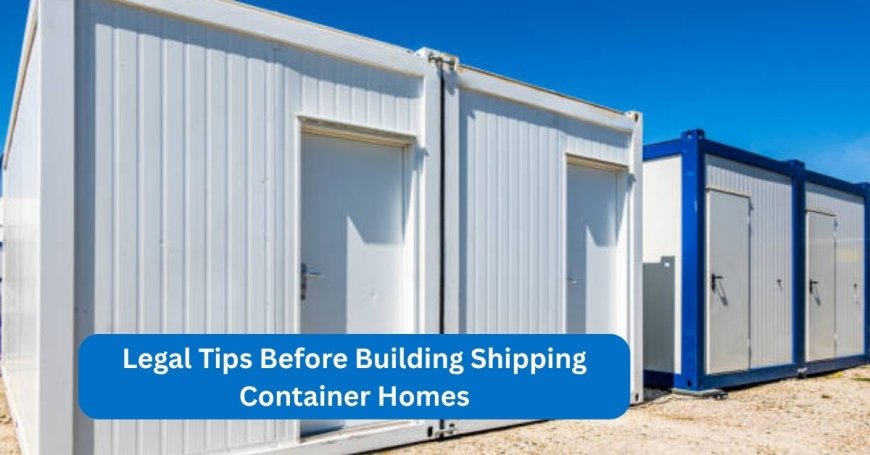
Shipping container homes are rapidly becoming a global trend, offering a unique blend of affordability, sustainability, and design innovation. Whether used for primary residences, vacation rentals, or modular expansions, their popularity continues to surge. However, constructing these modern dwellings is not as simple as stacking metal boxes. There are legal frameworks, permits, zoning laws, and construction regulations that must be followed especially when dealing with container modification in regions like the UAE, where specific building codes apply.
This article outlines key legal considerations before starting your container home journey, ensuring compliance and avoiding costly setbacks.
1. Understanding the Legal Status of Shipping Container Homes
Before any modifications are made or foundations are laid, it's essential to confirm whether shipping container homes are legally permitted in the desired location. Laws vary significantly by country, state, and even municipality. In some areas, container homes are embraced as part of affordable housing solutions. In others, they may be restricted or banned due to concerns about aesthetics, infrastructure, or safety standards.
Those exploring container modification in the UAE, for example, must pay close attention to local emirate-specific building regulations. Since container architecture is still considered unconventional in many regions, proper documentation and legal permissions are critical.
2. Zoning Regulations: Know Your Land Use Rules
Zoning regulations determine how land can be used in a particular area. These laws are designed to organize city planning and development effectively. Before purchasing land or starting construction, its crucial to check:
-
Whether residential structures are permitted
-
The minimum and maximum allowable building sizes
-
Distance requirements from roads or neighboring properties
-
Height restrictions and plot coverage limits
If the land is not zoned for residential use or temporary structures like container homes, obtaining variances or special permissions may be necessary.
In areas exploring container modification UAE-wide, zoning becomes particularly important in both urban and desert settings, as land use rules can differ drastically.
3. Building Permits: Essential for Legal Construction
A building permit is mandatory for almost all types of home construction, including alternative structures like shipping container homes. This official approval confirms that your building plans meet local codes and safety standards. To secure a permit, you may need to submit:
-
Architectural drawings and layout plans
-
Structural engineering certifications
-
Environmental impact assessments (if required)
-
Proof of property ownership or leasing agreements
Failure to obtain a building permit can result in fines, demolition orders, or denial of utility services. For UAE-based modifications, permits also ensure alignment with climate-resilient standards and fire safety norms.
4. Environmental Impact and Sustainability Compliance
container homes are often praised for their eco-friendly nature. However, modifying used containers involves chemical treatments, rust removal, and insulation upgrades. Regulatory bodies may require assessments to ensure that these processes do not cause environmental harm.
In the UAE and other regions with stringent environmental standards, sustainability reporting and impact evaluations may be necessary to gain construction approval. This is especially important in areas where land preservation and thermal regulation are prioritized.
Ensuring compliance with Container Modification UAE guidelines will avoid legal issues and promote safer, greener construction methods.
5. Fire Safety and Structural Integrity
Used shipping containers must be structurally sound and fire-safe to qualify as livable spaces. Before receiving legal clearance, you may be required to demonstrate:
-
Load-bearing capacity of the container
-
Fire-resistant materials used for insulation and cladding
-
Safe electrical wiring and plumbing installations
-
Emergency exits and ventilation provisions
These safety elements are not just good practices, they're often part of the legal code. Particularly in high-temperature regions like the UAE, additional standards for thermal resistance and ventilation efficiency may apply. Ensuring your design adheres to these codes can expedite approvals and improve long-term livability.
6. Utility Connections and Infrastructure Regulations
Container homes must be connected legally to water, electricity, and sewage systemseither through public utilities or off-grid setups like solar power and septic tanks. Each option carries legal obligations. You must:
-
Apply for utility connection permits
-
Install systems that comply with local infrastructure codes
-
Conduct mandatory inspections from utility boards
In remote or semi-urban areas where shipping container homes are popular, off-grid systems require additional documentation. In the UAE, solar energy installations and water reuse systems must be aligned with national sustainability programs and engineering standards.
7. Insurance and Liability Coverage
Legal protection doesnt stop once construction is complete. Insuring your container home is vital to secure your investment against risks like natural disasters, fire, theft, or structural failure. However, insurers may treat container homes differently than traditional houses. Be prepared to:
-
Provide full documentation of modifications
-
Prove structural soundness through engineering reports
-
Declare the use of the property (residential, rental, etc.)
Some regions might also require public liability coverage if the home is located in a shared community space or used as a rental unit. In the UAE, insurance eligibility may be tied to compliance with container modification standards and safety audits.
8. Accessibility and Livability Standards
Authorities may enforce livability requirements to ensure that non-traditional dwellings meet basic human needs. These standards may include:
-
Minimum room sizes
-
Window placement for natural light and airflow
-
Adequate ceiling height
-
Provisions for sanitation and drainage
container homes can be highly compact, so meeting these criteria requires strategic design. In some cases, modifications like cutting wall sections, adding insulation, or extending the structure horizontally or vertically may be needed to gain approval.
In the UAE, building codes often emphasize climate adaptation, so you may be required to include cooling systems, high-grade insulation, or reflective coatings.
9. Accessibility to Emergency Services
One often-overlooked legal requirement is ensuring your shipping container home can be accessed by emergency services. Fire departments, ambulances, and police must be able to reach the property without delay. This typically means:
-
Constructing driveways or pathways for vehicle access
-
Installing house numbering systems
-
Complying with street setback laws
Failure to meet these conditions may result in delays in approvals or denial of occupancy permits. Municipalities with arid terrain, such as those across the UAE, often require reinforced roads and clear signage for homes located in less accessible regions.
10. Future Resale and Legal Documentation
Finally, anyone investing in container homes must consider future resale and property documentation. If your container home isnt legally registered or permitted, selling the property in the future may be impossibleor subject to heavy penalties.
Make sure to:
-
Register your container home with the local land or housing authority
-
Retain copies of all approvals, permits, and inspection reports
-
Update the title deed with modifications, if applicable
In markets like the UAE where property transactions are heavily regulated, having a properly documented container home increases its value and simplifies future ownership transfers.
Conclusion
container homes offer a fresh perspective on modern housingefficient, sustainable, and cost-effective. Yet, they remain subject to rigorous legal standards just like any traditional home. From zoning laws and permits to fire safety and infrastructure, the legal journey requires careful planning and professional advice.
Those exploring container modification in the UAE or similar regions must go a step further by addressing climate, cultural, and regulatory nuances specific to the local environment.
Understanding the legal landscape before building your shipping container home not only ensures compliance but also lays a strong foundation for safe, sustainable, and legally sound living.