


























Is Your Custom Food Paper Destroying the Earth?
Investigate sustainable methods to cut food industry packaging waste by means of custom food paper and its environmental issues.
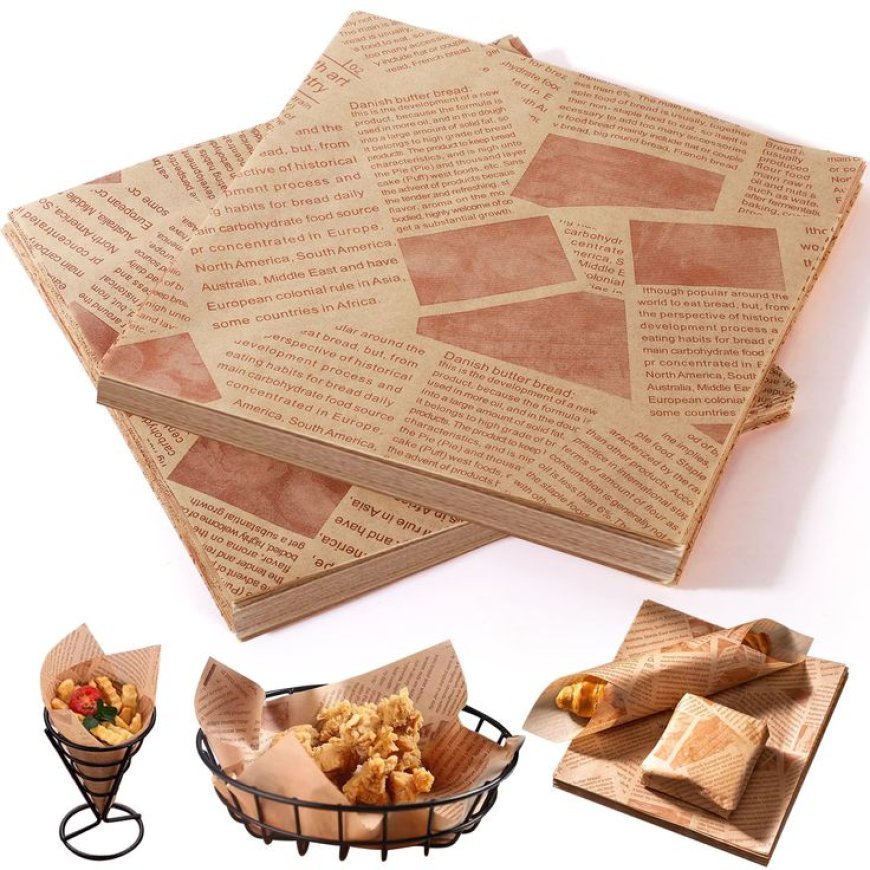
Businesses and customers both are reevaluating the products they use as environmental awareness rises especially in the food sector. With many food stores depending on aesthetically pleasing but disposable materials, packaging waste especially that of single-use products has grown to be a big issue. Custom food paper is one such example; although brand-friendly and customisable, it has drawn environmental concerns. Today's blog will look at the environmental problems associated with this preferred packaging style. Examining if style is worth the environmental cost is important from garbage overload to deforestation. Let's probe more closely how this benign paper impacts the Earth..
The Ascent Of Branded Food Packaging
For cafs, bakeries, and restaurants, branded packaging has evolved into a basic need. It improves the visual attractiveness of food products and produces a unique client experience. Wholesale custom food paper has been somewhat popular in this trend since it provides reasonably priced solutions for large quantities of necessity. Although there are countless possible brands, the effects on the surroundings are sometimes disregarded. Many companies choose glossy, ink-heavy designs that are non-compostable or difficult to recycle. This raises the whole environmental impact of a brand and burdens municipal garbage systems more specifically. It's not only about what's inside the container; but, what wraps your good counts.
Dyes, Ink, and Toxic Residues
Customized wrappers have an unquestionably appealing look. But the vibrant logos and artwork printed on bespoke printed food paper usually feature petroleum-based inks and poisonous chemicals. These elements can seep into the ground when disposed of incorrectly and are not biodegradable. Moreover, the paper could be covered with plastic or another waterproofing chemical that almost makes recycling impossible. These coatings can damage wildlife and add to microplastic contamination. Choosing eco-friendly ink substitutes should be part of the discussion as companies strive to increase sustainability. Your brand image shouldn't suffer in order for environmental friendliness.
Wax Coatings Beneficial Or Bad?
Wax-coated sheets are popular among many businesses to keep food fresh and stop leaks, but what impact do they have on the surroundings? Usually used for this is custom-printed wax paper with a logo. But paraffin, a petroleum byproduct that doesn't break down readily, is used to make classic wax coatings. These items wind up in landfills and contaminate streams when thrown away. Though not yet popular, several substitutes, such as soy-based or beeswax coating, offer greener choices. Wax paper continues to be a problem for recycling initiatives and a continual waste source unless companies use these substitutes.
Single-Use Culture and Its Extended Effects
Convenience usually beats sustainability in the fast-paced environment of today. Custom food paper liners are routinely used in restaurants and food trucks for fashionable presentation and fast cleanup. Although handy, these one-time use products are significantly adding to world waste. Tossed after just one use adds to the landfill problem, unlike reusable or compostable solutions. Their manufacturing increases the carbon footprint by consuming natural resources and energy as well. Although switching to reusable liners or biodegradable substitutes will greatly cut waste, producers and consumers must work toward this awareness and change.
Uncovering Paper Bag Hidden Costs
Although paper substitutes seem to be the ecological solution, reality is more complicated. Although food paper bags are often regarded as an environmentally benign substitute for plastic, their manufacturing causes great water consumption and deforestation. Though biodegradable, they aren't necessarily the lesser evil, particularly in mass production. Many of the environmental advantages of manufacture, transportation, and finally manufacturing these bags are negated by the energy consumed in each process. Though only if used regularly, recycled paper bags or reusable cloth bags can help to lessen this impact. Sustainability calls for a whole lifetime perspective, not only disposal.
Separating With The Speed Of A Snail
Improper disposal of even products labeled as "green" can be harmful. Food paper wrap products can have synthetic coatings or chemicals meant to slow down decommission. They thus spend years living in landfills, generating long-term waste issues. Particularly if they seem recyclable, consumers might not always know how to correctly discard such products. Manufacturers have to give openness and compostable alternatives top priority if they are to really minimize damage. Clear labels and onal programs help customers toward appropriate disposal practices. Without including end-of- life situations, the sustainability of life is not whole.
Reviewing Supply Chains and Sourced Products
A really sustainable solution begins at the right source. Food paper sheet demand calls for mass manufacturing, usually at the expense of clean water and forests. Should paper come from improperly managed forests, it fuels habitat damage, deforestation, and biodiversity loss. Custom paper with logos companies should seek certified sustainable materials and make investments in renewable energy sources during manufacturing in order to counteract this. Certificates guaranteeing ethical procurement include FSC (Forest Stewardship Council). Another good direction is selecting printed food paper derived from recycled or post-consumer resources.
In The End
Environmental issues of custom food paper necessitate an immediate response. The food sector's extensive usage of tailored paper has to be matched with environmental initiatives. Though convenience and branding are important, they shouldn't sacrifice the state of the Earth. Choosing compostable, recyclable, or responsibly sourced products helps companies to be proactive. Customers also have the ability to demand greener solutions environmentally friendly. Everyone of us has a part to help cut everyone's waste. It's about what we left behind, not only about the food.