Is Cat6 Enough for Gaming and Streaming in 2025? A Technical Review
Wondering if Cat6 cables are still good enough in 2025 for gaming and streaming? Discover a detailed technical review on performance, speed, interference, and future-proofing for reliable network setups.

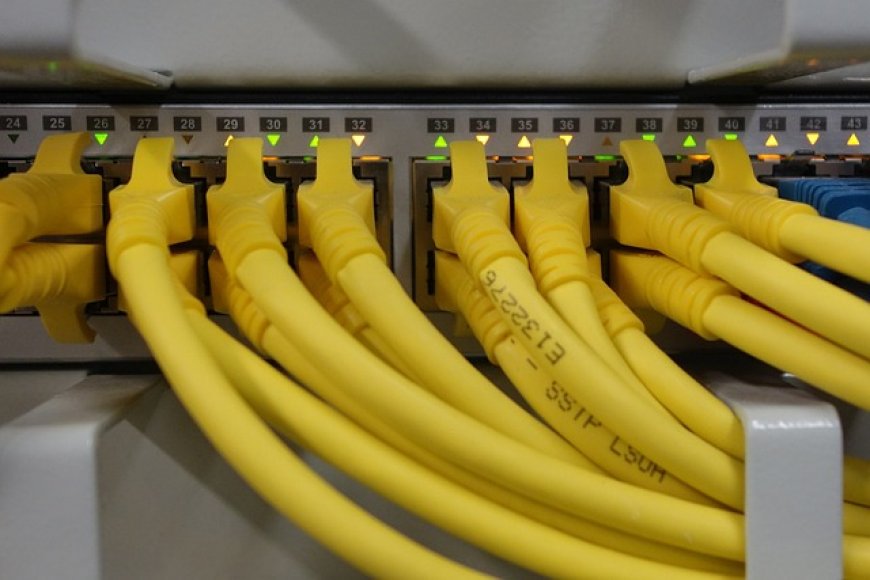
In 2025, online activities like gaming and streaming continue to demand faster, more reliable internet connections. With the rise of cloud-based gaming services, 4K and 8K video content, and ultra-low latency multiplayer experiences, users are looking for Ethernet solutions that can deliver consistent speed and stability. Among various cable categories, Cat6 Ethernet cables remain a popular choice. But the question remains: is Cat6 still sufficient for these high-performance needs?
This article explores the technical aspects of Cat6 cables and evaluates whether they can handle the demands of modern gaming and streaming. From bandwidth and speed to interference resistance and installation considerations, well break down the features that matter in real-world use.
Understanding the Basics of Cat6 Cables
Category 6, commonly known as Cat6, is a standardized twisted-pair Ethernet cable designed to support high-speed network connections. It was developed to overcome limitations found in earlier versions such as Cat5 and Cat5e. Cat6 cables are built to reduce crosstalk and allow for higher data transfer rates.
Cat6 cables support up to 1 Gbps (Gigabit per second) speeds at distances of up to 100 meters. In ideal conditions and over shorter distances (typically under 55 meters), they can also support 10 Gbps speeds. This makes them suitable for home users, small offices, and gaming setups looking to balance performance and cost.
Bandwidth and Speed for Streaming and Gaming
Gaming and streaming both require consistent internet speed, but not always the same kind of performance. For example, streaming 4K video typically demands between 25 to 50 Mbps, depending on the platform and encoding quality. Online gaming, while often consuming less bandwidth, is heavily reliant on latency and packet loss.
Cat6 cables provide a maximum bandwidth of 250 MHz, which is more than sufficient to handle multiple data-intensive tasks simultaneously. Whether youre downloading a game update, live-streaming your gameplay, or participating in a high-speed multiplayer match, Cat6 is engineered to maintain stability.
Moreover, modern gaming platforms are beginning to support features like real-time voice chat, cloud saving, and background updates. These continuous data exchanges require a strong and uninterrupted connection, and Cat6 performs well in delivering such performance.
The Role of Interference and Crosstalk
Network performance isnt only about raw speed. Electromagnetic interference (EMI) and crosstalk can negatively impact the quality of your connection. These issues are especially common when cables run close to electrical wires or in densely packed environments.
One of the advantages of Cat6 over its predecessors is its improved shielding and tighter twisting of wire pairs. This design reduces signal interference and ensures cleaner, more accurate data transmission. For gaming and streaming users who rely on uninterrupted connections, this shielding plays a critical role.
Whether you're in a home with lots of smart devices or a shared apartment with multiple users on the same network, the interference resistance of Cat6 can contribute to a more reliable experience.
Real-World Performance vs. Theoretical Specs
While Cat6 is rated for certain speeds and distances, real-world usage doesnt always match the lab-tested numbers. However, in typical home or small office environments, Cat6 almost always meets or exceeds expectations. It offers a noticeable upgrade from Cat5e, especially when dealing with large file transfers or multiple concurrent activities.
Gamers will particularly appreciate the reduced latency that wired connections provide compared to Wi-Fi. Cat6 cabling reduces ping spikes and packet loss, both of which are crucial for real-time competitive gameplay. For streamers, consistent upload speeds are vital, and a wired Cat6 connection ensures fewer buffering or bitrate drop issues.
Is Cat6 Future-Proof Enough?
Looking forward to the next few years, more users will adopt Gigabit and multi-Gigabit internet services. While Cat6 supports 10 Gbps over shorter distances, it's not ideal for full-length 100-meter 10G connections. That limitation might not affect most home users but could become relevant in larger buildings or setups where long cable runs are needed.
Still, for the average gamer or content streamer, Cat6 will continue to be a solid performer through 2025 and beyond. For those concerned with maximizing durability and performance, using a cat6 plenum cable is a smart choice, especially when installing in air-handling spaces like ceilings or walls. These cables meet safety regulations while maintaining excellent performance, making them a preferred option for both residential and commercial installations.
Installation and Network Hardware Compatibility
To get the most out of Cat6, its important to pair it with compatible network hardware. Routers, switches, and network interface cards (NICs) should ideally support Gigabit or higher speeds. Many modern devices already do, but its worth confirming before investing in an Ethernet setup.
Additionally, cable quality matters. Poorly constructed or uncertified Cat6 cables might not deliver the promised performance. Its always best to purchase cables from trusted manufacturers that adhere to performance standards. Investing in well-built cables ensures long-term reliability, especially in high-performance environments.
Another consideration is the environment where the cable is used. In commercial or high-temperature areas, plenum-rated Cat6 cables provide not only fire resistance but also greater protection against long-term wear. Their insulation is designed to withstand heat and reduce toxicity in case of a fire, offering both performance and peace of mind.
Comparing Cat6 with Other Options
As technology evolves, users often wonder whether its worth upgrading beyond Cat6. For example, Cat6a and Cat7 cables support higher bandwidth and can handle 10 Gbps speeds over longer distances. However, they also come at a higher cost and require more installation care due to their increased thickness and rigidity.
For most residential users and even many small offices, Cat6 hits the sweet spot. It provides excellent performance for current applications without the added cost and complexity of higher-rated cables. Unless you are planning a network upgrade for enterprise-level use or ultra-high-speed data centers, Cat6 remains more than adequate.
Conclusion: A Solid Choice for 2025
In the world of gaming and streaming, where low latency and consistent speeds are essential, the choice of Ethernet cable makes a big difference. Cat6 has proven itself over the years as a reliable, cost-effective solution for demanding users.
Its support for high-speed internet, enhanced shielding against interference, and strong compatibility with modern devices make it a smart choice. While newer cable categories exist, Cat6 continues to serve as a dependable standard for most users.
As long as the cable is of high quality and installed properly, it will handle the bandwidth and stability requirements of gamers and streamers well into 2025. When planning your network infrastructure, considering options like the cat6 plenum cable ensures that youre investing not just in speed, but in safety and durability as well.