How to Upgrade Your Brakes for Better Performance
When it comes to vehicle safety and performance, your braking system plays a crucial role. Whether you drive a daily commuter car, a high-performance vehicle, or something in between, upgrading your brakes can lead to noticeable improvements in stopping power, control, and overall driving confidence. Many drivers turn to professional brake services when they're ready to enhance their vehicle’s braking performance. This blog will walk you through everything you need to know about upgrading your brakes the right way.

How to Upgrade Your Brakes for Better Performance
When it comes to vehicle safety and performance, your braking system plays a crucial role. Whether you drive a daily commuter car, a high-performance vehicle, or something in between, upgrading your brakes can lead to noticeable improvements in stopping power, control, and overall driving confidence. Many drivers turn to professional brake services when they're ready to enhance their vehicles braking performance. This blog will walk you through everything you need to know about upgrading your brakes the right way.
Are Brake Upgrades Necessary for Daily Drivers?
Before we get into the technical details, let's address a common question. Do you really need to upgrade your brakes if you're not racing or off-roading? The answer depends on your goals. Even for everyday driving, a brake upgrade can provide better safety, smoother stops, and a longer lifespan for your components. So whether you're looking to improve your vehicles responsiveness or prepare for more demanding road conditions, it's worth considering.
1. Understand the Basics of a Brake System
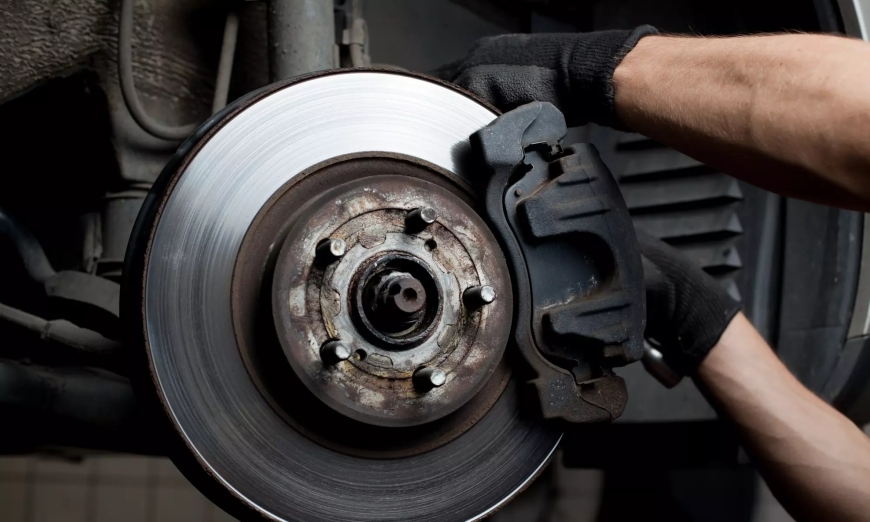
Before upgrading, it's important to know what makes up your braking system. The main components include:
-
Brake pads
-
Rotors (or discs)
-
Calipers
-
Brake lines
-
Brake fluid
Each of these parts can be upgraded to improve performance. It's not always necessary to change the entire system, but targeting key areas can make a big difference.
2. Upgrade to High-Performance Brake Pads
Stock brake pads are designed for general use. If you're looking for quicker stops and better control, performance pads made from ceramic or semi-metallic materials are a smart upgrade. These pads offer:
-
Better heat resistance
-
Improved friction
-
Less brake fade under pressure
However, performance pads can produce more dust and may wear out rotors faster, so balance is key. A trusted provider of Brakes Services in Abu Dhabi can help you choose the right material for your needs.
3. Choose Quality Brake Rotors
Upgraded rotors are another essential part of a high-performing brake system. Slotted or drilled rotors can offer improved cooling, reduced brake fade, and better performance during repeated braking. Here's a quick breakdown:
-
Drilled rotors: Great for daily drivers in wet conditions, as they help with heat and water dispersion
-
Slotted rotors: Ideal for aggressive driving or towing, offering excellent heat dissipation
Avoid cheap aftermarket rotors, as they may warp or crack under high stress. Investing in quality components ensures better results and longer life.
4. Upgrade Your Brake Calipers
High-performance calipers provide more even pressure across the brake pads, improving grip and responsiveness. Bigger calipers also allow for larger pads, which means more surface area for stopping. If you're doing a full upgrade, consider switching to multi-piston calipers for optimal braking force.
However, keep in mind that larger calipers might require different wheels or spacers. Make sure everything is compatible before making the swap.
5. Dont Forget Stainless Steel Brake Lines
Upgrading your rubber brake lines to stainless steel braided lines offers better durability and consistent brake feel. Over time, rubber hoses can expand under pressure, which causes a soft or spongy pedal feel. Steel lines maintain their shape and provide improved response and control.
This is a small upgrade that can make a big difference, especially when paired with other performance parts.
6. Use High-Temperature Brake Fluid
Brake fluid transfers the pressure from your foot to the brake system. Over time, it can absorb moisture and lose effectiveness. High-performance brake fluid resists boiling at higher temperatures, reducing the risk of brake fade during heavy use.
Even if you're not upgrading other components, flushing your brake system and adding fresh, high-temp fluid can boost your car's stopping power.
7. Consider Brake Cooling Solutions
For those who drive in extreme conditions or track their cars, brake cooling kits help keep temperatures in check. These kits typically include ducts or hoses that direct airflow to the rotors and calipers. Cooler brakes last longer and perform more consistently under pressure.
Most daily drivers wont need this level of upgrade, but its good to know if you plan on pushing your cars limits.
8. Professional Installation vs DIY
While some brake upgrades can be done at home with the right tools and knowledge, others require precision and expertise. Improper installation can lead to reduced performance or even safety risks. Partnering with a reliable Brakes Pads Replacement in Dubai provider ensures that every component is installed correctly, bled properly, and tested for performance.
Professionals can also inspect related systems like ABS sensors, brake boosters, and alignment to ensure your upgrade works in harmony with the rest of your vehicle.
9. How to Maintain Your Upgraded Brakes
Once youve upgraded your brakes, maintaining them is key to long-term performance. Heres what you should do:
-
Regularly inspect pads and rotors for wear
-
Check fluid levels and quality
-
Keep components clean and rust-free
-
Monitor brake feel and noise
Routine brake services every 10,000 to 15,000 miles can catch small issues before they become big problems.
10. Additional Tips for Better Braking Performance
Beyond physical upgrades, your driving habits affect brake performance:
-
Avoid riding the brakes
-
Downshift when going downhill
-
Leave plenty of stopping distance
-
Avoid aggressive braking unless necessary
Smart driving can help you get the most out of your upgraded system and extend the life of your components.
The Final Word
Upgrading your brakes doesnt just improve performance it enhances your safety, driving confidence, and peace of mind. Whether you're looking for better control in stop-and-go traffic or want to get the most out of your vehicle on winding roads, there's a brake upgrade that fits your goals. Remember, expert brake services can guide you through the process and ensure every change adds value to your vehicle.
Ready to experience a smoother, stronger stop? Upgrading your brakes might be the smartest move you make for your car this year.