















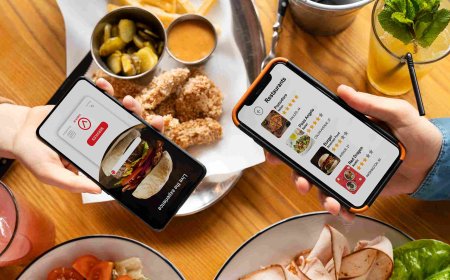











How to Find Loaded Nachos
How to Find Loaded Nachos Loaded nachos are more than just a snack—they’re a cultural phenomenon, a party staple, and a comfort food classic enjoyed across the United States and beyond. But despite their popularity, finding the perfect plate of loaded nachos can be surprisingly challenging. Whether you're searching for a gourmet version in a hidden urban eatery, a traditional Tex-Mex rendition at

How to Find Loaded Nachos
Loaded nachos are more than just a snacktheyre a cultural phenomenon, a party staple, and a comfort food classic enjoyed across the United States and beyond. But despite their popularity, finding the perfect plate of loaded nachos can be surprisingly challenging. Whether you're searching for a gourmet version in a hidden urban eatery, a traditional Tex-Mex rendition at a local diner, or even a homemade recipe that rivals your favorite restaurant, knowing how to find loaded nachos with the right balance of cheese, toppings, and crunch is an art. This guide will walk you through the complete process of locating, evaluating, and ultimately enjoying the best loaded nachos availablewhether you're dining out, ordering delivery, or making them yourself.
Understanding how to find loaded nachos isnt just about knowing where to lookits about knowing what to look for. The quality of the tortilla chips, the type and melt of the cheese, the freshness of the toppings, and the harmony of flavors all determine whether a plate of nachos is merely edible or truly exceptional. This tutorial will empower you with the knowledge to identify authentic, high-quality loaded nachos, avoid common pitfalls, and even replicate them at home. By the end of this guide, youll have a systematic approach to finding loaded nachos that satisfy both your palate and your standards.
Step-by-Step Guide
Step 1: Define What Loaded Means to You
Before you begin your search, clarify your personal definition of loaded. For some, loaded nachos mean a mountain of shredded cheese, jalapeos, and ground beef. For others, its a gourmet experience featuring queso fresco, pico de gallo, black beans, sour cream, guacamole, and even slow-braised carnitas. Some purists insist on only using yellow corn tortilla chips and no beans. Others demand a layer of refried beans as the foundation.
Start by listing your non-negotiables. Do you require vegan cheese? Are you avoiding gluten? Do you prefer spicy or mild? Write down your ideal combination. This personal checklist will serve as your filter when evaluating options later. Without this clarity, you risk settling for mediocre nachos simply because theyre convenient or widely advertised.
Step 2: Research Local Establishments
Begin your search by identifying restaurants, food trucks, and bars in your area known for their nachos. Use search engines like Google or Bing with precise keywords: best loaded nachos near me, authentic Tex-Mex nachos [Your City], or gourmet nachos [Neighborhood]. Pay attention to results that include reviews, photos, and menu details.
Look beyond the top-ranked listings. Often, the best food is found on page two or three of search results. Small family-owned taquerias or dive bars with no online advertising may serve the most authentic versions. Cross-reference results with Yelp, TripAdvisor, and Zomato. Read at least 1015 reviews per establishment, focusing on recurring keywords like melty cheese, crispy chips, fresh toppings, or overloaded. Avoid places where reviewers consistently mention soggy chips or weak seasoning.
Step 3: Analyze Menus for Authentic Indicators
Once youve compiled a list of potential spots, examine their menus closely. Authentic loaded nachos are rarely listed as Nachos with Cheese or Snack Platter. Look for descriptive names like El Patron Loaded Nachos, Texas-Style Carnitas Nachos, or Vegan Loaded Fiesta Nachos. These indicate intentionality and culinary pride.
Check for ingredient specificity. Does the menu mention hand-cut tortilla chips, stone-ground queso blanco, or house-made pico de gallo? These are strong indicators of quality. Avoid places that list cheese sauce without specifying the type, or that use vague terms like seasoned beef or mixed veggies.
Also, look for customization options. A restaurant that allows you to choose your protein, cheese, and toppings is more likely to prioritize freshness and personalization over mass production.
Step 4: Evaluate Online Photos and Videos
Visuals are critical. Search for user-uploaded photos of the nachos on Instagram, Google Images, or the restaurants own social media. Look for these key visual cues:
- Layering: Are toppings distributed evenly, or piled haphazardly? Good nachos have distinct layerschips, cheese, beans, meat, then garnishes.
- Cheese melt: Is the cheese glossy and fully melted, or dry and clumpy? Real cheese should flow slightly over the edges of the chips.
- Chip integrity: Are the chips intact and crispy, or broken and soggy? Soggy chips are the number one sign of poor assembly or delayed service.
- Color contrast: Bright red pico, green jalapeos, white sour cream, and golden chips indicate fresh ingredients.
Video content is even more revealing. Look for short clips on TikTok or YouTube showing the nachos being served or eaten. A well-made plate should produce a satisfying crunch when bitten into, and the cheese should stretch slightly when lifted.
Step 5: Order a Small Portion First
Never commit to a large order on your first visit. Order a single servingideally the restaurants signature loaded nachosand assess it thoroughly. Taste each component individually: the chip, the cheese, the protein, the salsa, the sour cream, the guacamole. Then taste them together.
Ask yourself:
- Does the cheese dominate the flavor, or does it complement the other ingredients?
- Are the toppings fresh and flavorful, or do they taste canned or stale?
- Is the heat level balanced, or does one ingredient overpower the rest?
- Do the chips hold up after 5 minutes, or do they disintegrate?
If the nachos meet or exceed your personal criteria, return for larger portions or recommend them to others. If not, cross the restaurant off your list and move on.
Step 6: Explore Delivery and Takeout Platforms
If youre unable to dine in, use delivery apps like DoorDash, Uber Eats, or Grubhub. Filter results by Top Rated and sort by distance. Read the delivery reviews carefullymany customers mention whether the nachos arrived hot, crispy, or soggy. Look for phrases like cheese was still melted, chips were crunchy, or got here in 15 minutes and still perfect.
Some restaurants offer nacho-specific packaging designed to keep chips separate from wet toppings until serving. This is a strong sign of quality control. Avoid places that deliver nachos in a single container with no separationthese are almost always soggy upon arrival.
Step 7: Learn to Make Them Yourself
Even the best restaurants cant guarantee consistency every time. The most reliable way to find loaded nachos is to make them yourself. Start by mastering the foundation:
- Chips: Use thick, sturdy corn tortilla chips. Avoid thin, brittle onesthey break too easily. Fry your own from masa dough, or choose a premium store-bought brand like Late July or Tostitos Scoops.
- Cheese: Use a blend of Monterey Jack and sharp cheddar for optimal melt. Add a small amount of queso fresco or cotija for texture and saltiness.
- Layering: Bake the nachos in the oven at 375F (190C) for 810 minutes. Layer chips, cheese, then protein (like seasoned ground beef, shredded chicken, or black beans), then repeat. Top with jalapeos and bake until cheese bubbles.
- Finishing touches: Add fresh toppings after baking: diced tomatoes, cilantro, sour cream, guacamole, and lime wedges. This preserves texture and freshness.
Once youve perfected your recipe, youll never have to find loaded nachos againyoull always have them.
Best Practices
1. Prioritize Freshness Over Quantity
Many restaurants compete by offering the most loaded nachoswith every topping imaginable. But more isnt always better. Overloading nachos leads to sogginess, flavor clashes, and uneven melting. The best loaded nachos strike a balance: enough toppings to excite the palate, but not so many that they overwhelm the base. Look for establishments that emphasize thoughtfully loaded or artisanal layering rather than maximum overload.
2. Avoid Pre-Made or Microwaved Nachos
Pre-packaged nachos from gas stations, convenience stores, or fast-food chains are rarely worth the calories. These are often microwaved, resulting in rubbery cheese, limp chips, and flavorless toppings. Even if theyre labeled gourmet or authentic, the preparation method compromises quality. Always choose freshly prepared, oven-baked nachos.
3. Consider the Service Flow
At restaurants, observe how quickly nachos are prepared and served. If the kitchen is backed up and your order sits for 15+ minutes before arriving, the chips will soften from steam. The ideal service time for nachos is under 8 minutes from order to table. If youre ordering delivery, confirm that the restaurant uses insulated bags and heat-retaining packaging.
4. Seasoning Matters More Than You Think
Many people overlook seasoning. The chips should be lightly salted. The protein should be well-spiced with cumin, chili powder, and garlic. Even the sour cream and guacamole should have a hint of lime and salt. Poorly seasoned nachos taste flat, no matter how much cheese is piled on. Pay attention to the depth of flavor in each component.
5. Ask for Customization
Dont be afraid to ask for modifications. Can I get the cheese melted on the bottom layer? or Can you hold the beans? or Can I get extra jalapeos on the side? Restaurants that welcome customization are invested in your satisfaction. This also lets you tailor the dish to your preferences without compromising quality.
6. Time Your Visit
Weekend nights and holidays are peak times for nacho orders. This increases the chance of rushed preparation and inconsistent results. For the best experience, visit during off-peak hoursweekday lunches or early dinners. Kitchen staff are less stressed, ingredients are fresher, and attention to detail is higher.
7. Trust Your Palate, Not the Hype
Just because a nacho dish went viral on TikTok doesnt mean its good. Many trending nachos are designed for aesthetics, not flavor. A plate covered in neon-colored sauces and edible glitter may look impressive but taste like cardboard. Always prioritize taste, texture, and balance over visual spectacle.
Tools and Resources
1. Google Maps and Local Food Blogs
Google Maps is your most powerful tool for discovering hidden gems. Use the Food & Drink filter, then sort by Highest Rated. Click on individual listings to read reviews and view photos. Many local food bloggers maintain curated lists of Best Nachos in [City] and often include personal anecdotes and detailed tasting notes. Search [Your City] food blog best nachos to find these resources.
2. Yelp and TripAdvisor
These platforms allow you to filter reviews by Most Recent and With Photos. Look for reviewers who describe the nachos in sensory detail. Avoid reviews that say good or finetheyre often generic. Favor those that say the queso was creamy with a hint of smoked paprika or the chips stayed crisp for the entire meal.
3. Instagram and TikTok Hashtags
Search hashtags like
LoadedNachos, #NachosOfInstagram, #FoodieNachos, or #[YourCity]Food. Many restaurants post daily specials or behind-the-scenes prep videos. Follow food influencers in your regionthey often review lesser-known spots that dont advertise heavily.
4. Recipe Websites for DIY Nachos
For homemade versions, rely on trusted culinary sources:
- Serious Eats Offers science-backed methods for perfect cheese melt.
- Food52 Features creative, tested recipes with community reviews.
- Allrecipes Good for crowd-sourced variations, but filter by high ratings (4.5+ stars).
- YouTube Channels Try Tasty, Binging with Babish, or Mexican Food Simplified for visual tutorials.
5. Specialty Ingredient Retailers
To elevate your homemade nachos, source high-quality ingredients from:
- Queso fresco and cotija: Mexican grocery stores or online retailers like MexGrocer.com.
- Authentic tortilla chips: Brands like Mission, Tostitos Restaurant Style, or local tortillerias.
- Specialty salsas: Try brands like La Costea, Herdez, or handmade from local farmers markets.
6. Smart Kitchen Gadgets
While not essential, these tools can improve your homemade nachos:
- Cast iron skillet: Perfect for baking nachos evenly and creating a crispy bottom layer.
- Microplane grater: For finely grating cheese that melts smoothly.
- Food thermometer: Ensures meat is cooked to safe temperatures without over-drying.
- Insulated serving tray: Keeps nachos hot during parties or gatherings.
Real Examples
Example 1: La Taqueria, Austin, Texas
Located in a modest strip mall, La Taqueria doesnt have a website or social media presence. But locals swear by their Nacho Especial. The dish features house-fried tortilla chips layered with refried pinto beans, melted Oaxaca cheese, slow-cooked carnitas, pickled red onions, and a drizzle of green tomatillo salsa. The cheese is applied in two layersfirst under the meat, then on topensuring a gooey, cohesive texture. The chips remain crisp even after 10 minutes. A single plate serves two and costs $14. The restaurants consistency over 18 years has made it a local legend.
Example 2: The Nacho Bar, Portland, Oregon
This vegan-focused eatery redefines loaded nachos with plant-based ingredients. Their Carnivore-Free Crunch uses jackfruit pulled pork, cashew queso, black beans, roasted corn, avocado crema, and smoked paprika-dusted chips. Despite the absence of dairy or meat, the dish delivers umami depth and satisfying texture. The restaurant sources organic, local produce and bakes the nachos in small batches. Their Instagram page, @thenachobarpdx, has over 40,000 followers and features time-lapse videos of assembly.
Example 3: Homemade Grandmas Recipe Nachos
A retired schoolteacher in Ohio shares her familys recipe, passed down for three generations. She uses store-bought chips but fries them briefly in olive oil to restore crispness. Her cheese blend is 60% sharp cheddar, 30% Monterey Jack, and 10% Parmesan. She adds a layer of canned pinto beans (rinsed and warmed), seasoned ground beef with cumin and smoked paprika, and finishes with fresh diced tomatoes and a squeeze of lime. Her secret? Letting the nachos rest for 2 minutes after baking so the cheese sets slightly. She serves them on a wooden board with lime wedges and pickled jalapeos on the side. Her version has been featured in a regional food magazine and replicated by dozens of home cooks.
Example 4: The Viral TikTok Nacho
A restaurant in Chicago created a Rainbow Nacho Platter covered in edible glitter, neon sauces, and 12 different toppings. It went viral with over 5 million views. However, customer reviews on Yelp reveal that the nachos were too sweet, overwhelmingly salty, and the chips were soggy within minutes. The dish was discontinued after six months due to low repeat business. This example underscores the importance of substance over spectacle.
FAQs
Whats the difference between nachos and loaded nachos?
Nachos are simply tortilla chips topped with melted cheese. Loaded nachos include additional toppings such as beans, meat, vegetables, sour cream, guacamole, and salsa. The term loaded implies abundance and variety beyond basic cheese.
Can I make loaded nachos ahead of time?
You can prep ingredients in advance, but assembly should be done just before baking. Pre-assembled nachos will become soggy. Store chips separately from wet toppings, and refrigerate proteins and salsas. Assemble and bake within 30 minutes of serving for best results.
Why do my homemade nachos get soggy?
Sogginess occurs when wet toppings (like salsa or guacamole) are added before baking, or when the nachos sit too long before eating. Always bake the chips and cheese first, then add fresh toppings afterward. Use a baking sheet with edges to prevent cheese from dripping and burning.
Whats the best cheese for loaded nachos?
A blend of Monterey Jack and sharp cheddar melts smoothly and provides rich flavor. For authenticity, add a sprinkle of queso fresco or cotija after baking for texture and saltiness. Avoid pre-shredded cheeseit contains anti-caking agents that inhibit melting.
Are nachos healthy?
Traditional loaded nachos are high in calories, sodium, and saturated fat. However, you can make them healthier by using baked chips, lean proteins, black beans, fresh vegetables, and reduced-fat cheese. Portion control is key.
Can I use flour tortilla chips instead of corn?
While corn chips are traditional, flour tortilla chips can be used for a softer, more pliable texture. However, they absorb moisture faster and may become soggy quicker. Use them only if you prefer a different mouthfeel and plan to eat immediately.
How do I reheat leftover nachos?
Reheat in a 350F (175C) oven for 810 minutes. Avoid the microwaveit turns the chips rubbery and makes the cheese oily. If you must use a microwave, place a paper towel under the nachos to absorb excess moisture.
Whats the best drink to pair with loaded nachos?
Classic pairings include Mexican beer (like Modelo or Tecate), margaritas, lime soda, or iced tea. For non-alcoholic options, try aguas frescas (watermelon or hibiscus) or sparkling water with lime.
Do restaurants ever use fake cheese on nachos?
Some budget establishments use processed cheese sauce made from whey, oils, and emulsifiers instead of real cheese. Its cheaper and melts consistently, but lacks flavor complexity. Ask if the cheese is real or natural. If they hesitate, its likely processed.
How can I tell if a restaurant takes pride in their nachos?
Look for: unique names on the menu, hand-written specials, visible cheese-melting stations, staff who can describe ingredients in detail, and consistent positive reviews mentioning texture and freshness.
Conclusion
Finding loaded nachos isnt just about locating a place that serves themits about understanding what makes them exceptional. From the crispness of the chip to the melt of the cheese, from the balance of flavors to the freshness of the toppings, every element matters. By following the steps outlined in this guidedefining your preferences, researching with precision, analyzing visuals and reviews, testing with an open palate, and mastering the art of homemade preparationyou transform from a passive consumer into an informed connoisseur.
The best loaded nachos arent always the most expensive or the most Instagrammable. Sometimes, theyre the ones served quietly at a family-run taqueria, or the ones you make in your own kitchen with love and attention to detail. Whether youre exploring new cities, ordering delivery on a Friday night, or gathering friends for a game day spread, the ability to findand createoutstanding loaded nachos is a skill worth cultivating.
Now that you know how to find loaded nachos, dont just eat themappreciate them. Taste the craftsmanship. Celebrate the ingredients. Share them with others. And above all, never settle for soggy chips.