


























How to Find Grilled Carne Asada
How to Find Grilled Carne Asada Grilled carne asada is more than just a dish—it’s a cultural experience, a flavor profile that bridges tradition and innovation, and a cornerstone of Mexican and Tex-Mex cuisine. Known for its bold, smoky taste, tender texture, and vibrant marinade, carne asada has become a staple at backyard barbecues, food trucks, and fine dining establishments across North Americ

How to Find Grilled Carne Asada
Grilled carne asada is more than just a dishits a cultural experience, a flavor profile that bridges tradition and innovation, and a cornerstone of Mexican and Tex-Mex cuisine. Known for its bold, smoky taste, tender texture, and vibrant marinade, carne asada has become a staple at backyard barbecues, food trucks, and fine dining establishments across North America and beyond. But for many, the challenge isnt in cooking itits in finding the best, most authentic, and reliably delicious grilled carne asada. Whether youre a home cook seeking inspiration, a food enthusiast exploring regional specialties, or someone new to Latin American flavors, knowing how to find high-quality grilled carne asada can transform your culinary journey.
This guide is designed to help you navigate the landscape of where and how to locate exceptional grilled carne asadawhether youre searching in your local neighborhood, planning a road trip, or ordering online. Well break down the process into actionable steps, reveal insider tips from chefs and food historians, recommend essential tools and resources, showcase real-world examples, and answer the most common questions people have when hunting for this beloved dish.
Step-by-Step Guide
Understand What Makes Authentic Grilled Carne Asada
Before you begin your search, its critical to understand the defining characteristics of authentic grilled carne asada. This isnt just any grilled steakits a specific preparation rooted in Mexican culinary tradition. Traditionally, carne asada is made from thin cuts of beef, typically flank steak, skirt steak, or sirloin flap meat, marinated for several hours (often overnight) in a blend of citrus juices (lime and orange), garlic, cilantro, cumin, oregano, salt, and sometimes a touch of chili powder or chipotle for depth.
The meat is then grilled over high heatpreferably over charcoal or wood fireto achieve a charred exterior while maintaining a juicy, medium-rare interior. The result is a dish thats slightly crispy on the outside, tender and flavorful within, and often sliced thinly against the grain for optimal texture.
Knowing these elements helps you distinguish true carne asada from generic grilled steak offerings. Many restaurants label any grilled beef as carne asada, but authentic versions adhere to the traditional marinade and cooking method. When evaluating options, ask yourself: Does the meat taste of lime and herbs? Is it charred but not overcooked? Is it sliced thin enough to fold easily? These are signs of quality.
Start Locally: Explore Neighborhood Mexican Markets and Taquerias
The best grilled carne asada is often found not in fancy restaurants but in unassuming neighborhood taquerias, family-run food stands, or Mexican grocery stores with in-house grills. These establishments typically source their meat directly from local butchers, prepare marinades from family recipes passed down for generations, and grill in small batches for maximum freshness.
Begin by visiting Mexican grocery stores in your area. Look for signs that say Carne Asada Hecha Aqu (Made Here) or Asada Fresca. Many of these stores offer pre-marinated cuts or even pre-cooked portions that you can heat at home. Ask the staff for recommendationsoften, theyll point you to their favorite local vendor or even tell you which taqueria makes the best carne asada in town.
Once youve identified a few promising spots, visit them during peak hours (typically late afternoon to early evening). A long line isnt always a guarantee of quality, but in the case of carne asada, it often signals that locals trust the product. Observe how the meat is handled: Is it grilled on an open flame? Are the slices uniform and tender? Does the aroma draw you in?
Use Food Discovery Platforms and Community Reviews
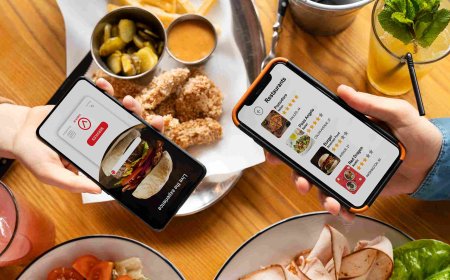
Modern technology has made it easier than ever to find hidden culinary gems. Platforms like Yelp, Google Maps, and TripAdvisor are invaluable, but they require strategic use. Dont just rely on star ratingsread the reviews carefully. Look for keywords like authentic, marinated well, charred edges, juicy inside, or best in [city]. Avoid listings with generic praise like good steak or tastythey often lack specificity.
Instagram and TikTok have become powerful tools for food discovery. Search hashtags like
CarneAsada, #AsadaLovers, #MexicanFoodNearMe, or #[YourCity]Foodie. Local food bloggers and influencers often post detailed reviews with photos of the meats texture, marinade color, and plating style. Pay attention to videos showing the grilling processauthentic carne asada is rarely cooked on a flat griddle; its grilled over open flame.
Join local Facebook groups dedicated to food in your region. These communities are filled with passionate eaters who share discoveries, hidden spots, and even weekly specials. A post like Who makes the best carne asada in San Antonio? will often yield dozens of replies with personal anecdotes and photos.
Visit Farmers Markets and Artisan Butcher Shops
If youre interested in preparing your own grilled carne asada, the journey begins at the source: the meat itself. Many farmers markets feature local butchers who specialize in traditional cuts and offer pre-marinated carne asada. These vendors often use heritage-breed beef, dry-aged for enhanced flavor, and marinate using organic citrus and fresh herbs.
When speaking with a butcher, ask:
- What cut of beef do you use for carne asada?
- How long is the meat marinated?
- Do you use fresh garlic and citrus, or pre-made seasoning packets?
- Can I see the marinade ingredients?
A reputable butcher will be proud to answer these questions and may even offer samples. Some even provide grilling instructions tailored to their specific cut and marinade. Buying directly from the source ensures quality control and supports small businesses.
Travel to Regions Known for Carne Asada
For the ultimate experience, consider traveling to regions where carne asada is a culinary tradition. In Mexico, states like Sinaloa, Sonora, and Jalisco are legendary for their carne asada. In Sinaloa, the meat is often grilled over mesquite wood and served with fresh tortillas, grilled onions, and a side of salsa roja. In Sonora, its common to see carne asada served with flour tortillas instead of corn, and accompanied by a chilled beer or horchata.
In the United States, cities like Los Angeles, San Diego, Austin, and El Paso have thriving carne asada cultures. In LAs Boyle Heights or East L.A., taquerias like Tacos Tumbras or El Cholo have been serving authentic versions for decades. In Austin, food trucks like Veracruz All Natural and Torchys Tacos offer modern twists while honoring traditional methods.
Plan a food-focused road trip. Visit local markets, ask residents for their favorite spots, and keep a journal of your experiences. Youll not only find exceptional carne asadayoull gain a deeper appreciation for its cultural roots.
Order Online from Trusted Vendors
With the rise of specialty food delivery, you can now order authentic grilled carne asada shipped directly to your door. Companies like ButcherBox, Snake River Farms, and local Mexican food purveyors offer vacuum-sealed, pre-marinated, and even pre-grilled carne asada. Look for vendors who specify:
- Grass-fed or pasture-raised beef
- Marinade ingredients listed in full
- Shipping method (flash-frozen, not refrigerated)
- Reheating instructions
Some vendors even include traditional accompaniments: handmade tortillas, salsa macha, or pickled red onions. Read customer reviews carefullymany will mention whether the meat arrived tender or tough, if the marinade was balanced, and if the grilling instructions were clear.
Be cautious of overly cheap options. Authentic carne asada requires quality meat and time-intensive preparation. If the price seems too good to be true, it likely is.
Ask for Recommendations from Cultural Institutions
Mexican cultural centers, universities with Latin American studies programs, and community organizations often host food festivals, cooking classes, and cultural nights centered around traditional dishes. Attend these events. Chefs and elders will often share their family recipes and point you toward the best local sources.
Libraries with Latin American collections may have cookbooks or oral histories documenting regional carne asada traditions. Dont underestimate the value of these resourcesthey often contain references to long-standing family businesses or markets that arent listed online.
Best Practices
Always Prioritize Freshness Over Convenience
Grilled carne asada is at its best when freshly cooked. Avoid pre-packaged, refrigerated versions that have been sitting for days. Even if theyre labeled ready to grill, the marinade may have broken down the meat too much, resulting in a mushy texture. Look for vendors who prepare meat daily and grill to order.
Trust Your Senses
When evaluating carne asada, rely on your senses:
- Sight: The meat should have a deep red color with visible char marks, not a grayish or overly browned appearance.
- Smell: It should smell of citrus, garlic, and smokenot chemical or overly salty.
- Touch: When pressed gently, it should spring back slightly, indicating its not overcooked.
- Taste: The flavor should be complex: tangy from lime, earthy from cumin, herbal from cilantro, with a hint of smoke.
If any of these elements are missing, the dish may not be authentic.
Learn to Identify the Right Cut
Not all beef works for carne asada. Skirt steak and flank steak are the most traditional because theyre flavorful, relatively thin, and absorb marinades well. Sirloin flap (also called bavette) is another excellent choice. Avoid thick cuts like ribeye or T-bonethey dont benefit from the same marinade penetration and are better suited to slow cooking.
When buying, ask for carne asada cut or for grilling. A knowledgeable butcher will know exactly what you mean.
Support Local and Ethical Producers
Choosing meat from farms that practice ethical, sustainable, and humane methods not only improves flavor but supports a healthier food system. Look for certifications like Certified Humane, Pasture-Raised, or No Antibiotics. Many small-scale producers in Mexico and the U.S. Southwest follow these practices naturally, even if they dont carry formal labels.
Keep a Personal Carne Asada Log
As you sample different versions, keep a simple journal. Note the location, price, cut of meat, marinade notes, texture, and overall impression. Over time, youll develop a personal palate and begin to recognize patternswhat makes one version stand out, what flavors you prefer, and where the most consistent quality lies.
Dont Overlook the Accompaniments
Authentic carne asada is never served alone. Its typically accompanied by warm corn tortillas, grilled onions and peppers, fresh cilantro, lime wedges, and a selection of salsassalsa verde, salsa roja, and perhaps a spicy habanero option. The quality of these sides reflects the care taken in the main dish. A taqueria that skimps on tortillas or uses bottled salsa is unlikely to excel at the carne asada itself.
Tools and Resources
Essential Tools for Finding and Preparing Carne Asada
- Food Discovery Apps: Yelp, Google Maps, Instagram, TikTok, and Zomato for crowd-sourced recommendations.
- Online Butcher Directories: EatWild.com, LocalHarvest.org, and FarmMatch.com to locate pasture-raised beef suppliers.
- Shipping Food Services: ButcherBox, Snake River Farms, and MexGrocer.com for mail-order carne asada.
- Recipe Repositories: Serious Eats, Cooks Illustrated, and Mexico in My Kitchen (blog) for authentic marinade formulas.
- Language Tools: Google Translate or DeepL to understand Spanish menus and signsespecially useful when visiting Mexican markets.
Recommended Books for Deeper Understanding
For those who want to understand the history and technique behind carne asada:
- Mexico: The Cookbook by Margarita Carrillo Arronte
- The Art of Mexican Cooking by Diana Kennedy
- Street Food: Around the World by Matthew Fort
- Flavors of Mexico: A Culinary Journey by Rick Bayless
These books provide context, regional variations, and traditional techniques that go beyond recipesthey teach you how to think like a Mexican cook.
Online Communities and Forums
Engage with these platforms to connect with others passionate about carne asada:
- Reddit: r/MexicanFood, r/Food, r/AskCulinary
- Facebook Groups: Authentic Mexican Food Lovers, Carne Asada Enthusiasts, Latino Foodies United
- Discord Servers: Foodie Network, Culinary Explorers
These communities often share exclusive tips, such as secret vendors, seasonal specials, or even homemade marinade blends.
Equipment for Home Preparation
If you plan to grill your own carne asada, invest in:
- A charcoal grill or smoker (for authentic flavor)
- High-heat tongs (for flipping without piercing)
- A meat thermometer (to ensure perfect doneness130F for medium-rare)
- A sharp slicing knife (to cut against the grain)
- Non-reactive containers (glass or stainless steel) for marinating
Aim for a grill temperature of 450500F. Cook for 35 minutes per side, depending on thickness. Let the meat rest for 510 minutes before slicing to retain juices.
Real Examples
Example 1: Tacos El Gordo Tijuana, Mexico
Located just off Avenida Revolucin, Tacos El Gordo is a no-frills taqueria that has been serving carne asada since 1982. Their secret? A marinade of lime juice, garlic, and a secret blend of dried chilies, marinated for 24 hours. The meat is grilled over mesquite wood and served on handmade corn tortillas with a side of grilled pineapple. Locals line up before noon. The owner, Don Carlos, still hand-slices every portion. Visitors report the meat is so tender it falls apart with a fork, yet has that perfect charred crust.
Example 2: La Taqueria San Francisco, CA
Consistently ranked as one of the best taquerias in the U.S., La Taqueria uses skirt steak marinated in a blend of orange juice, vinegar, and fresh oregano. Their carne asada is grilled on a flat-top comal, then sliced and piled high into tacos with pico de gallo and crema. The key to their success? They never freeze their meat. All cuts are delivered fresh daily from a family-owned ranch in Sonora. Customers rave about the balance of acidity and smokiness.
Example 3: DIY Success Home Cook in Austin
After months of testing recipes, a home cook in Austin discovered that using a 1.5-inch thick flank steak, marinated overnight in lime juice, orange zest, garlic, cumin, and a splash of soy sauce (for umami depth), then grilled over charcoal, yielded restaurant-quality results. She documented her process on a blog and received over 10,000 views in three months. Her tip: Dont skip the resting time. Its the difference between juicy and dry.
Example 4: Online Vendor MexGrocer.com
This online retailer ships pre-marinated, vacuum-sealed carne asada from Jalisco, Mexico, directly to U.S. homes. Customers receive 2-pound packs with detailed grilling instructions. One reviewer wrote: I thought Id never get the same flavor as my abuelas. But after grilling this for 4 minutes per side, it tasted just like the trips we took to Guadalajara. The company sources directly from a family-run butcher in Tepatitln and uses no preservatives.
Example 5: Farmers Market Find Portland, OR
A local farmer at the Portland Saturday Market began selling carne asada after learning the recipe from his Mexican in-laws. He uses grass-fed beef from his own ranch and marinates it with fresh lime from his trees. His stall has become a weekend destination. People come back every week, he says. They say it tastes like home.
FAQs
Whats the best cut of beef for grilled carne asada?
The best cuts are skirt steak, flank steak, and sirloin flap. These are thin, flavorful, and absorb marinades well. Avoid thick, fatty cuts like ribeyethey dont cook evenly for this style.
How long should I marinate carne asada?
For optimal flavor and tenderness, marinate for at least 4 hours, but ideally 1224 hours. Longer marinating times allow the acid in citrus to tenderize the meat without breaking it down too much.
Can I use a gas grill for carne asada?
Yes, but charcoal or wood-fired grills deliver superior flavor. If using gas, add wood chips (mesquite or oak) in a smoker box to mimic the traditional smokiness.
Is carne asada the same as fajitas?
No. Fajitas are typically made with skirt steak but are cooked with onions and bell peppers and served sizzling on a hot plate. Carne asada is grilled plain, sliced, and served with simple sides like tortillas and salsa.
How do I know if the carne asada is cooked properly?
Use a meat thermometer. For medium-rare, aim for 130135F. The exterior should be charred, the interior pink and juicy. Overcooking makes it tough.
Can I freeze grilled carne asada?
Yes, but its best to freeze it uncooked. If freezing cooked carne asada, wrap tightly in foil and use within 23 months. Reheat gently in a skillet with a splash of broth to retain moisture.
Where can I buy authentic marinade ingredients?
Mexican grocery stores carry fresh limes, dried oregano (Mexican variety), and ground cumin in bulk. Look for whole dried chilies like guajillo or ancho for homemade salsas. Online retailers like Amazon or MexGrocer.com also offer authentic spice blends.
Why does my carne asada turn out tough?
Common causes: overcooking, slicing with the grain instead of against it, using a low-quality cut, or marinating too long (more than 48 hours). Always slice thinly across the grain.
Whats the difference between carne asada and barbacoa?
Carne asada is grilled, quick-cooked beef with a citrus-herb marinade. Barbacoa is slow-cooked, often in an underground pit, using lamb or beef head meat, seasoned with dried chilies and spices. Theyre entirely different dishes.
Can I make carne asada without lime?
Lime is essential for authenticityit provides the bright acidity that balances the richness of the meat. If youre allergic, substitute with lemon or a splash of white vinegar, but the flavor profile will change significantly.
Conclusion
Finding exceptional grilled carne asada is less about luck and more about intention. It requires curiosity, cultural awareness, and a willingness to explore beyond the surface. Whether youre hunting for the perfect taqueria down the street, ordering from a trusted online vendor, or preparing your own at home, the journey is as rewarding as the meal itself.
Remember: authenticity isnt just about ingredientsits about intention. The best carne asada comes from hands that care, from traditions that endure, and from flavors that tell a story. By learning to identify the signs of quality, supporting ethical producers, and engaging with the communities that keep this tradition alive, you dont just find a dishyou become part of its legacy.
Start today. Visit a local Mexican market. Ask a butcher for advice. Try a new recipe. Post a photo online. Share your experience. The world of grilled carne asada is vast, rich, and waiting to be discoveredone charred, juicy bite at a time.