


























How to Find Gourmet Sandwiches in Phoenix
How to Find Gourmet Sandwiches in Phoenix Phoenix, Arizona, may be best known for its desert landscapes, vibrant art scene, and year-round sunshine—but beneath the surface of its bustling urban core lies a thriving, often overlooked culinary treasure: gourmet sandwiches. Far from the basic deli fare of decades past, Phoenix’s sandwich landscape has evolved into a dynamic fusion of global flavors,

How to Find Gourmet Sandwiches in Phoenix
Phoenix, Arizona, may be best known for its desert landscapes, vibrant art scene, and year-round sunshinebut beneath the surface of its bustling urban core lies a thriving, often overlooked culinary treasure: gourmet sandwiches. Far from the basic deli fare of decades past, Phoenixs sandwich landscape has evolved into a dynamic fusion of global flavors, locally sourced ingredients, artisanal breads, and innovative techniques. Whether youre a long-time resident or a visitor seeking authentic regional bites, knowing how to find gourmet sandwiches in Phoenix is not just about satisfying hungerits about experiencing the citys evolving food culture through every layered bite.
The rise of gourmet sandwiches in Phoenix mirrors broader national trends, but with a distinctly Southwestern twist. Local chefs are blending Mexican, Mediterranean, Asian, and Southern influences into handheld masterpieces that defy traditional categorization. From smoked brisket piled high on house-made sourdough to vegan jackfruit banh mi with pickled daikon and cilantro aioli, the options are as diverse as the citys population. Yet, finding these hidden gems requires more than a simple Google search. It demands curiosity, local insight, and a strategic approach to uncovering the spots that locals swear byand that most tourists never discover.
This guide is your comprehensive roadmap to navigating Phoenixs gourmet sandwich scene. Whether youre a food enthusiast, a digital nomad working from a caf, or someone simply looking to elevate their lunch routine, this tutorial will teach you how to identify, evaluate, and ultimately enjoy the finest sandwiches the Valley has to offer. Well walk you through practical steps, reveal best practices, recommend essential tools, showcase real examples, and answer the most common questions. By the end, you wont just know where to find a great sandwichyoull understand how to recognize excellence in sandwich craftsmanship and become a confident connoisseur of Phoenixs edible art.
Step-by-Step Guide
1. Define What Gourmet Means to You
Before you begin your search, clarify your personal definition of gourmet. For some, its about premium ingredientslike imported cheeses, heritage meats, or organic produce. For others, its the technique: slow-roasted proteins, house-made pickles, or toasted bread baked in-house. Gourmet can also mean creativity: unexpected flavor pairings, cultural fusion, or dietary inclusivity (gluten-free, vegan, keto-friendly options). Start by identifying what matters most to you. Are you drawn to bold spice profiles? Crunchy textures? Artisanal breads? This self-assessment will help you filter options and avoid wasting time on places that dont align with your palate.
2. Leverage Local Food Blogs and Influencers
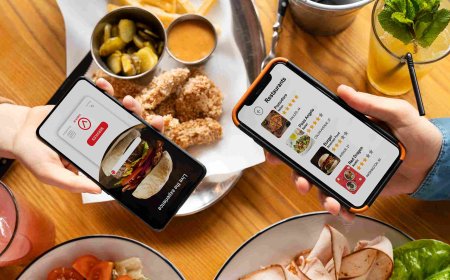
Phoenix has a passionate community of food bloggers and Instagrammers who specialize in uncovering hidden culinary gems. Search for terms like Phoenix sandwich review, best gourmet sandwiches Arizona, or Phoenix foodie blog. Focus on creators who post regularly, include photos of the actual sandwich (not stock images), and mention specific ingredients, bread types, or preparation methods. Notable local voices include The Phoenix Foodie, Eat Drink AZ, and Taste of the Valley. These platforms often feature exclusive interviews with chefs, behind-the-scenes kitchen tours, and seasonal menu drops you wont find on restaurant websites.
3. Use Hyperlocal Search Filters on Google Maps
Dont rely on broad searches like best sandwiches in Phoenix. Instead, use targeted keywords in Google Maps: artisan sandwich shop, handmade bread sandwich, slow-cooked meat sub, or vegan gourmet hoagie. Filter results by recent reviews (last 30 days) and sort by highest rated. Pay attention to reviews that mention specific sandwich namese.g., The Sonoran Smoke or Mediterranean Meltas these indicate signature dishes. Look for places with 4.7 stars or higher and at least 50 reviews; low-volume ratings can be misleading. Also, check if the business has updated photos in the last six monthsoutdated images may signal declining quality or closure.
4. Explore Neighborhood-Specific Hotspots
Phoenixs sandwich scene is deeply tied to its neighborhoods. Each district offers a unique flavor profile:
- Old Town Scottsdale: Upscale, fusion-driven spots with chef-driven menus. Look for places like Brick & Mortar or Barrio Bread, where bread is baked on-site daily.
- Phoenix Central City (Downtown): A hub for lunchtime crowds and quick, high-quality options. Try Lox & Co. for smoked fish sandwiches or La Sandwicherie for French-inspired subs.
- Tempe: Student-friendly but surprisingly sophisticated. Subs & More and Flour + Water offer creative twists on classics.
- Glendale: Strong Latin and Middle Eastern influences. Seek out El Guero Canelo for their carne asada torta or Al-Baik for their shawarma wrap.
- South Phoenix: Authentic, family-run joints with bold, traditional flavors. La Cueva and El Charro Caf serve carne asada sandwiches with roasted poblano peppers and house-made salsa verde.
Visit these neighborhoods on a weekday lunch hour. Youll see which spots have lines out the dooroften the best indicator of quality and consistency.
5. Analyze Menus for Craftsmanship Cues
A gourmet sandwich menu is a reflection of a kitchens philosophy. Look for these indicators of quality:
- House-made bread: Mentions of sourdough starter, stone-ground flour, or 12-hour fermentation signal dedication.
- Locally sourced ingredients: Phrases like from Valley Farms, Arizona-raised beef, or hand-picked herbs show commitment to freshness.
- Seasonal rotation: Menus that change monthly or quarterly reflect creativity and ingredient awareness.
- Customization options: Gourmet spots often allow you to choose bread, sauce intensity, or add-ons like truffle aioli or pickled red onions.
- No generic labels: Avoid places that list turkey, ham, or cheese without specifying type (e.g., herb-roasted turkey breast from Niman Ranch vs. just turkey).
Also, scan for unusual ingredients: smoked jalapeo jam, roasted garlic confit, fermented black bean sauce, or candied pecans. These are signs of innovation, not gimmicks.
6. Engage with Staff and Ask Strategic Questions
Dont be shy. When you visit, ask the person behind the counter: Whats your most popular sandwich? Then follow up with: Whats something on the menu that most people dont order but you think everyone should try? This opens the door to insider knowledge. Staff at quality sandwich shops are often proud of their creations and happy to explain their process. Ask about the breads origin, how long the meat is brined, or what sauce is made from scratch. If they hesitate or give vague answers, its a red flag. If they light up and start describing the roasting process for their pork belly or the fermentation timeline for their kraut, youve found your spot.
7. Visit During Off-Peak Hours for a Deeper Experience
While lunch rushes indicate popularity, visiting during mid-morning or early afternoon (10:30 AM12:30 PM) gives you time to observe the kitchen, ask questions, and even request a tasting of the house-made pickles or aioli. Many gourmet sandwich shops offer small samples if you ask politely. This is also the best time to notice cleanliness, organization, and ingredient freshnesskey indicators of long-term quality.
8. Document and Compare Your Experiences
Keep a simple log: note the sandwich name, bread type, protein, key ingredients, sauce, texture, balance of flavors, and overall impression. Rate it on a scale of 110. Over time, youll start noticing patterns: which breads hold up best, which proteins stay moist, which sauces elevate rather than overwhelm. This personal database becomes your own guidebook and helps you make better decisions on future visits. Use a notes app or a physical journalconsistency is key.
9. Attend Food Markets and Pop-Ups
Phoenix hosts weekly food markets where gourmet sandwich vendors test new recipes and build loyal followings. The Phoenix Public Market (Fridays and Sundays) and Arizona Farmers Market (Saturdays in Tempe) often feature sandwich artists like Meat & Bread Co., Churro & Co. (yes, they do gourmet sandwiches too), and El Pueblo Taqueria with their al pastor tortas. These events are ideal for sampling multiple vendors in one location and discovering emerging talent before they open brick-and-mortar locations.
10. Follow Social Media for Limited-Time Creations
Many gourmet sandwich shops in Phoenix release seasonal or holiday-exclusive sandwiches via Instagram or Facebook. Follow accounts like @phx_sandwiches, @artisanbreadphx, or @southphoenixeats. Look for posts tagged
PhoenixGourmetSandwich or #AZSandwichScene. These limited runsthink pumpkin spice turkey melt in October or chipotle mango pulled pork in Julyare often the most innovative and highly rated. Missing them means missing out on culinary moments unique to that season.
Best Practices
1. Prioritize Bread Quality Over Protein Quantity
A gourmet sandwich is built on a foundation of bread. No amount of truffle oil or imported cheese can save a soggy, stale, or overly dense loaf. Look for bakeries that bake daily and use natural leavening. Sourdough, rye, ciabatta, and whole grain multigrain are typically better choices than pre-sliced white bread. If the bread is pre-packaged or lacks crust, walk away.
2. Balance Is Everything
A great sandwich doesnt overpowerit harmonizes. The best combinations feature a balance of textures (crunchy, creamy, chewy), temperatures (hot protein, cool vegetables, room-temperature sauce), and flavors (salt, acid, sweet, umami). For example, a sandwich with spicy chorizo should be balanced with cooling crema and tangy pickled onions. A sweet ham should be offset with sharp mustard or a bitter arugula. If one element dominates, the sandwich lacks finesse.
3. Avoid Chains with Gourmet in the Name
Be wary of national chains that label their sandwiches as gourmet to justify higher prices. These often use pre-made components, standardized recipes, and mass-produced bread. True gourmet sandwiches are crafted locally, often by small teams with deep knowledge of their ingredients. Stick to independent businesses with a clear owner, visible kitchen, and a story behind their menu.
4. Order With the Seasons
Phoenixs climate influences ingredient availability. In summer, look for sandwiches featuring watermelon, cucumber, mint, and citrus-based sauces. In winter, heartier options like braised short rib, roasted root vegetables, and spiced apple compote shine. Seasonal menus are not just trendytheyre fresher, more flavorful, and often more sustainable.
5. Respect the CraftDont Overload
Some people think more is better, but overstuffing a sandwich leads to structural collapse and flavor muddling. A well-made gourmet sandwich should be neat, contained, and easy to eat without falling apart. If youre handed a sandwich that looks like a food avalanche, its a sign the kitchen prioritizes volume over technique.
6. Take Notes on Sauces
Sauces are the soul of a gourmet sandwich. Ask if theyre made in-house. A mayo made with egg yolks, lemon juice, and garlic is vastly different from a jarred product. Look for complexity: smoked paprika aioli, tamarind-chipotle glaze, or herb-infused vinaigrette. Avoid anything labeled ranch, barbecue, or special sauce without further detailits likely a generic blend.
7. Support Businesses That Give Back
Many Phoenix sandwich shops partner with local farms, food banks, or culinary apprenticeships. Supporting these businesses means investing in the communitys food future. Look for mentions of partnered with Valley Harvest or donates 5% of profits to youth culinary programs. These shops often have higher standards because theyre accountable to more than just profit.
8. Dont Judge by Exterior
Some of Phoenixs best sandwich spots are in strip malls, converted gas stations, or unassuming storefronts. Dont let a plain sign or lack of signage deter you. The most memorable sandwiches often come from places with no website, no social media presence, and a handwritten menu on a chalkboard.
9. Be Patient with Wait Times
If a sandwich shop has a 15-minute wait during lunch, its usually because everything is made to order. This is a good sign. Rushed service and pre-made sandwiches are hallmarks of low-quality operations. A good sandwich takes timeand time is the most valuable ingredient.
10. Share and Recommend Thoughtfully
When you find a gem, tell othersbut be specific. Instead of saying This place is great, say Their smoked turkey with roasted garlic aioli on toasted sourdough with pickled fennel is the best sandwich Ive had this year. Specificity helps others know what to expect and builds credibility for your recommendations.
Tools and Resources
1. Google Maps + Advanced Search Filters
Use Google Maps Open Now, Highest Rated, and Newest Photos filters. Type gourmet sandwich shop near me and then refine with keywords like house-made bread, slow-cooked, or vegan options. Save your favorite locations in a custom list titled Phoenix Sandwich Quest.
2. Yelp Pro (Free Version)
Yelps free tier allows you to read detailed reviews, view photos uploaded by users, and filter by dietary needs. Look for reviews that mention bread texture, sauce flavor, or meat tendernessthese are signs of an experienced eater.
3. Instagram Hashtags
Follow these hashtags for real-time updates:
PhoenixSandwich, #AZFoodie, #GourmetSandwichAZ, #PhoenixEats, #SandwichArt, #BreadIsLifePHX. Many vendors post daily specials here before updating their websites.
4. Phoenix Foodie Podcasts
Listen to The Valley Table and Taste of the Southwest for interviews with sandwich artisans. Episodes often include behind-the-scenes stories and exclusive menu previews.
5. Local Food Tours
Book a guided Sandwich & Sip tour through companies like Phoenix Food Adventures or Arizona Culinary Tours. These 34 hour excursions take you to 34 sandwich spots with tastings, chef meet-and-greets, and historical context about the neighborhood.
6. The Arizona Republics Food Section
Subscribe to the food newsletter from The Arizona Republic. Weekly columns like Bite of the Week often spotlight under-the-radar sandwich shops. Archive searches can reveal hidden gems from years past that are still operating.
7. Online Community Forums
Join Reddits r/Phoenix and Facebook groups like Phoenix Food Lovers or Arizona Foodies Unite. Search for threads titled Best sandwich in Phoenix? or Hidden gem sandwich spot? Youll find passionate, detailed replies from locals whove tried dozens of options.
8. Bread Subscription Services
Some Phoenix bakeries like Barrio Bread and Flour + Water offer weekly bread subscriptions. Ordering their bread at home lets you taste their craftsmanship firsthandand helps you identify which breads pair best with certain fillings.
9. Menu Scanning Apps
Use apps like MenuPages or Seamless (for delivery) to compare sandwich offerings across multiple vendors. Filter by price, dietary tags, and ingredients. This helps you spot trendslike the rising popularity of jackfruit or miso-glazed tofu sandwiches in the Valley.
10. Personal Food Journal (Digital or Paper)
Track every sandwich you try: date, location, sandwich name, price, ingredients, rating, and a short note. Over time, this becomes your personalized guide. Use color-coding: green for excellent, yellow for good, red for disappointing. This system turns casual eating into a data-driven culinary journey.
Real Examples
1. Brick & Mortar Old Town Scottsdale
Founded by a former sous-chef from New York, Brick & Mortar crafts sandwiches using a 48-hour fermented sourdough starter and locally sourced meats. Their signature Sonoran Smoke features house-cured brisket, smoked cheddar, roasted poblano aioli, pickled red onions, and charred corn salsaall on a crusty, open-faced loaf. The bread is baked in-house daily, and the meat is dry-aged for 21 days. Reviews consistently mention the perfect crust-to-crumb ratio and the smoky depth that lingers after the last bite. This is a benchmark for Phoenix gourmet sandwiches.
2. La Cueva South Phoenix
Operating since 1987, La Cueva is a family-run spot that serves a carne asada torta with grilled onions, refried black beans, avocado, and a spicy chipotle crema made from dried ancho chiles. The bread is a bolillo-style roll, toasted on the griddle until crisp. What sets it apart is the use of heirloom tomatoes from a nearby farm and a house-made guajillo salsa thats aged for three days. Locals say its the only place in Phoenix where the torta doesnt fall apart after one bite.
3. Lox & Co. Downtown Phoenix
Specializing in Jewish deli-inspired sandwiches, Lox & Co. offers a Smoked Salmon Reuben with house-cured salmon, fermented sauerkraut, dill cream cheese, and caraway rye. Their rye is stone-ground and baked with a touch of molasses. The salmon is cold-smoked over applewood for 14 hours. They also offer a Vegan Nova made with marinated king oyster mushrooms, cashew cream, and pickled beets. Their attention to fermentation and curing techniques has earned them features in Food & Wine and Saveur.
4. El Guero Canelo Glendale
Known for their tacos, El Guero Canelo also serves a legendary Torta Ahogada (drowned sandwich) with carnitas, refried beans, pickled red onions, and a fiery tomato-chipotle sauce that literally drips off the sides. The bread is a bolillo soaked in the sauce until tender but still holding shape. Its messy, bold, and unforgettable. The sauce is made from roasted tomatoes, dried guajillos, and a secret blend of spices passed down through three generations.
5. Flour + Water Tempe
This bakery-caf focuses on Italian-inspired sandwiches with a Phoenix twist. Their Burrata & Roasted Pepper sandwich features house-made mozzarella, charred red bell peppers, basil pesto, and a balsamic reduction on a grilled ciabatta. What makes it gourmet is the use of heirloom peppers from a family farm in Casa Grande and a pesto made with wild oregano foraged in the McDowell Mountains. The sandwich is served with a side of house-pickled vegetables and a single olive oil drizzle from a local mill.
6. Meat & Bread Co. Phoenix Public Market Pop-Up
A rotating pop-up vendor, Meat & Bread Co. gained cult status with their Pork Belly Banh Mi. They use Berkshire pork belly cured in fish sauce, star anise, and brown sugar for 72 hours, then slow-roasted and layered with pickled carrots, daikon, cilantro, and a sriracha-lime mayo on a baguette baked with rice flour for extra crispness. Their seasonal Peach & Prosciutto sandwich in summer features local peaches, aged prosciutto, arugula, and a honey-thyme glaze. They sell out within hours at every market.
FAQs
What makes a sandwich gourmet versus just good?
A gourmet sandwich emphasizes craftsmanship: house-made ingredients, attention to texture and balance, sourcing from local producers, and creative flavor combinations. Its not just about expensive ingredientsits about intentionality in every layer.
Are there vegan gourmet sandwich options in Phoenix?
Yes. Places like Lox & Co., Flour + Water, and Meat & Bread Co. offer vegan sandwiches using jackfruit, marinated tofu, tempeh, or mushroom-based proteins. Look for house-made sauces and fermented vegetables for depth of flavor.
How much should I expect to pay for a gourmet sandwich in Phoenix?
Typically $14$22. Prices below $12 often indicate mass-produced components. Prices above $25 may be justified if the sandwich includes dry-aged meat, imported cheeses, or hand-baked breadbut always evaluate the ingredients before paying a premium.
Can I order gourmet sandwiches for delivery?
Yes, but be cautious. Delivery can compromise textureespecially bread and greens. Opt for places that use insulated packaging and deliver within 15 minutes. Call ahead and ask if they have a delivery sandwich version designed to hold up better.
Do any sandwich shops in Phoenix offer tasting menus?
A few, like Brick & Mortar and Lox & Co., offer Sandwich Flight experiencesthree small sandwiches with paired sauces or sidesfor $25$35. Its an excellent way to sample multiple styles in one sitting.
Is there a best time of year to find the most innovative sandwiches?
Spring and fall are peak seasons. Ingredients are abundant, and chefs are inspired by seasonal shifts. Summer offers bright, fresh flavors; winter leans into rich, slow-cooked proteins.
How can I tell if a sandwich shop uses real, fresh ingredients?
Look for visible prep areas, staff handling whole vegetables, and mention of specific farms or producers. Avoid places with pre-packaged meats or bottled sauces labeled special. Ask whats in the sauceif they hesitate, its likely not fresh.
Do I need to make reservations for gourmet sandwich shops?
Most dont take reservationstheyre counter-service. But for tasting menus or private events, some shops offer bookings. Call ahead if youre coming with a group.
Can I find gluten-free gourmet sandwiches in Phoenix?
Yes. Barrio Bread offers gluten-free sourdough, and Lox & Co. uses a rice-based bread for their gluten-free Reuben. Always confirm cross-contamination protocols if you have celiac disease.
Whats the most underrated sandwich spot in Phoenix?
Many locals swear by El Charro Caf in South Phoenix for their carne asada sandwich with roasted garlic and pickled jalapeos. Its simple, unassuming, and deeply flavorfuloften overlooked by tourists.
Conclusion
Finding gourmet sandwiches in Phoenix is not a scavenger huntits a culinary exploration. Its about slowing down, paying attention, and appreciating the artistry behind a handheld meal. The citys sandwich scene thrives on authenticity, innovation, and community. By following the steps outlined in this guidedefining your preferences, using local resources, engaging with vendors, and documenting your journeyyoull move beyond casual eating into the realm of conscious consumption.
Each sandwich you discover tells a story: of a familys recipe passed down for generations, of a chefs training in a distant country, of a farmers harvest brought to life in a crusty loaf. These arent just mealstheyre connections. To the land, to the people, to the culture of a city that refuses to be defined by its desert heat alone.
So grab your notebook, head out into the neighborhoods, and start your quest. Ask questions. Taste boldly. Share your finds. And remember: the best gourmet sandwich in Phoenix isnt necessarily the most expensive or the most Instagrammedits the one that makes you pause, savor, and think, Ive never tasted anything like this before.
Now go find yours.