


























How to Find Crispy Shrimp Tacos
How to Find Crispy Shrimp Tacos Crispy shrimp tacos are more than just a trendy dish—they’re a culinary experience that blends texture, flavor, and cultural heritage into one irresistible bite. The contrast of golden, crunchy battered shrimp with tender, fresh toppings nestled in a soft corn or flour tortilla creates a sensory harmony that has made this dish a favorite across coastal cities, food

How to Find Crispy Shrimp Tacos
Crispy shrimp tacos are more than just a trendy dishtheyre a culinary experience that blends texture, flavor, and cultural heritage into one irresistible bite. The contrast of golden, crunchy battered shrimp with tender, fresh toppings nestled in a soft corn or flour tortilla creates a sensory harmony that has made this dish a favorite across coastal cities, food trucks, and fine dining establishments alike. But for many food enthusiasts, finding the *best* crispy shrimp tacos isnt just about searching a menuits about understanding where to look, what to look for, and how to distinguish authentic, high-quality versions from mediocre imitations.
This guide is designed for anyone who wants to locate, evaluate, and ultimately enjoy the finest crispy shrimp tacos availablewhether youre exploring a new city, planning a food-focused road trip, or simply trying to elevate your home-cooked meals. Well walk you through a step-by-step process to identify top-tier crispy shrimp tacos, highlight best practices for evaluation, recommend essential tools and resources, showcase real-world examples, and answer common questions that arise along the way.
By the end of this tutorial, you wont just know how to find crispy shrimp tacosyoull know how to recognize excellence in preparation, sourcing, and presentation, turning every taco encounter into a memorable culinary discovery.
Step-by-Step Guide
Step 1: Understand What Makes a Crispy Shrimp Taco Exceptional
Before you begin your search, its critical to define what makes a crispy shrimp taco stand out. Not all shrimp tacos labeled crispy are created equal. A truly exceptional version includes:
- Fresh, high-quality shrimpideally wild-caught, sustainably sourced, and never previously frozen.
- Light, airy batternot greasy or heavy. A tempura-style or beer-battered coating that crisps without absorbing excess oil.
- Proper frying techniqueshrimp fried at the right temperature (typically 350375F) to achieve a golden crunch without burning.
- Balanced toppingsfresh cabbage slaw, ripe avocado, lime crema, pickled red onions, and a hint of chili for heat without overwhelming the shrimp.
- Authentic tortillapreferably hand-pressed corn tortillas, lightly charred on a comal, or high-quality flour tortillas with a slight chew.
If any of these elements are missing or poorly executed, the taco may be labeled crispy but will lack depth and authenticity. Recognizing these markers will help you filter out subpar options early in your search.
Step 2: Start with Local Food Communities
The most reliable way to find exceptional crispy shrimp tacos is to tap into local food culture. Online forums, neighborhood Facebook groups, Reddit threads, and Instagram hashtags are goldmines for real-time recommendations.
Search for terms like:
- Best crispy shrimp tacos [City Name]
- Hidden gem shrimp tacos near me
- [City] food truck crispy shrimp
Pay attention to posts with photos, detailed descriptions, and multiple upvotes or comments. Users who mention specific vendors by name, describe the texture of the batter, or note the use of house-made crema are often providing credible insights. Avoid posts that simply say good or tasty without specificstheyre often generic or sponsored.
Step 3: Use Food Discovery Platforms
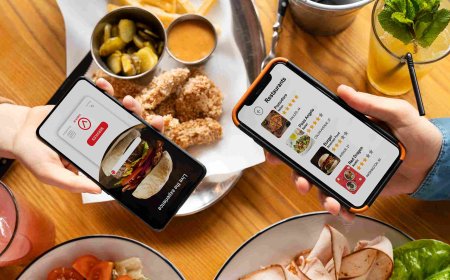
Digital platforms like Yelp, Google Maps, and Zomato offer powerful filtering tools. Use them strategically:
- Search crispy shrimp tacos in your target location.
- Filter results by Highest Rated and Most Reviewed.
- Look for places with 4.7 stars or higher and at least 50+ reviews.
- Read recent reviews (within the last 3 months) to ensure consistency.
- Look for keywords in reviews: crisp without being greasy, perfectly cooked shrimp, fresh lime crema, authentic tortillas.
Be wary of businesses with a sudden spike in 5-star reviewsthis may indicate fake reviews. Cross-reference with Instagram posts from local food bloggers to verify authenticity.
Step 4: Prioritize Coastal and Mexican-Influenced Regions
Crispy shrimp tacos have their roots in Baja California, Mexico, where the dish originated as a fusion of Japanese tempura techniques and Mexican street food traditions. As such, the highest concentration of authentic versions is found in coastal areas with strong Mexican culinary influence.
Focus your search on:
- San Diego, California
- Los Angeles (especially neighborhoods like Long Beach and Santa Monica)
- Ensenada and Tijuana, Mexico
- Galveston and Corpus Christi, Texas
- Key West and Miami, Florida
These regions have a long-standing tradition of seafood-forward cuisine and are more likely to have vendors who specialize in the dish. Even if youre not in one of these areas, restaurants inspired by Baja-style cooking often serve superior versions than those in inland cities without seafood access.
Step 5: Visit Food Trucks and Market Stalls
Some of the most revered crispy shrimp tacos come from mobile vendors. Food trucks and outdoor markets often have lower overhead, allowing chefs to focus on quality rather than ambiance. They also tend to innovate more freely and source ingredients directly from local fishermen.
Look for:
- Trucks with long lines during lunch hours
- Signs that list ingredients with specificity (wild-caught Pacific shrimp, hand-picked cabbage, homemade chipotle crema)
- Staff who answer questions about preparation
Many top food trucks dont have websites or Google listings. Find them by checking local food truck schedules on city websites or following Instagram accounts like @foodtrucksof[City].
Step 6: Check Restaurant Menus for Specific Language
When evaluating sit-down restaurants, menu language is a powerful indicator of quality. Avoid places that list crispy shrimp tacos generically without details. Look for menus that include:
- Origin of the shrimp (wild-caught Gulf shrimp)
- Method of preparation (tempura-battered in house)
- Specialty sauces (lime-cilantro crema with roasted garlic)
- Accompaniments (house-pickled red onions, grilled pineapple salsa)
Restaurants that take pride in their ingredients will describe them. Those that dont are likely using frozen, pre-battered shrimp from a distributora red flag for inferior quality.
Step 7: Visit During Peak Hours and Observe Preparation
Timing matters. Visit your chosen vendor during lunch rush (11:30 AM1:30 PM) when the kitchen is busiest. This is when the shrimp is freshly fried in batches, not sitting under heat lamps.
If possible, watch the cooking process:
- Is the batter light and translucent, or thick and doughy?
- Are the shrimp cooked in small batches, or are they being reheated from a large tray?
- Is the oil clean and clear, or dark and cloudy?
A vendor who fries shrimp to order, uses fresh oil, and keeps the batter chilled before use is far more likely to deliver a crisp, flavorful result.
Step 8: Order the Taco Plain First
When you receive your taco, take a moment before adding sauces or toppings. Bite into it slowly. The shrimp should be the star:
- Is the exterior shatteringly crisp, or soggy and oily?
- Does the shrimp taste sweet and ocean-fresh, or bland and rubbery?
- Is the tortilla warm, pliable, and slightly smoky?
If the shrimp is underseasoned or the batter is greasy, no amount of sauce will save it. A great taco should shine even without extra condiments.
Step 9: Ask for Recommendations from Staff
Dont hesitate to ask the server or chef: Whats your most popular crispy shrimp taco? What makes it special?
Staff who are passionate about their food will give detailed answers. They might mention:
- The fish market they source from
- The type of flour used in the batter
- How long theyve been making the recipe
These details signal authenticity. If the response is vague (Its just our recipe), proceed with caution.
Step 10: Document and Compare
Keep a simple log of each taco you try. Note:
- Location and vendor name
- Price
- Batter texture (crisp, greasy, soggy)
- Shrimp flavor (sweet, briny, bland)
- Tortilla quality
- Overall balance
- Would you return?
Over time, youll begin to recognize patterns. Youll learn which regions produce the crispiest batter, which vendors use the freshest shrimp, and which sauces complement without overpowering. This personal database becomes your ultimate guide for future searches.
Best Practices
Practice 1: Prioritize Freshness Over Convenience
One of the most common mistakes people make is choosing the closest or cheapest option. Crispy shrimp tacos are highly perishable. Shrimp begins to degrade in texture within hours of being cooked, and batter loses its crispness when exposed to moisture or heat for too long. Always choose vendors who cook to ordereven if it means waiting 1015 minutes. The extra time is worth it.
Practice 2: Avoid Pre-Battered or Frozen Shrimp
Many chain restaurants and low-budget food trucks use pre-battered, frozen shrimp from industrial suppliers. These products are designed for consistency, not flavor. They often contain preservatives, fillers, and excessive sodium. The batter is thicker, greasier, and lacks the delicate crunch of a freshly mixed tempura. If a menu doesnt specify fresh shrimp or house-battered, assume its not authentic.
Practice 3: Trust Regional Specialties
Dont assume every taco is made the same way. In Baja, the classic version includes cabbage, crema, and a white sauce made with mayonnaise and lime. In Texas, you might find it topped with pico de gallo and queso fresco. In Florida, mango or pineapple salsa might be added. Respect these regional variationstheyre not wrong, theyre just different. The best tacos honor their cultural roots while maintaining technical excellence.
Practice 4: Consider Sustainability
Shrimp farming and fishing practices vary widely. Look for vendors who mention sustainable, MSC-certified, or wild-caught shrimp. Overfished or farm-raised shrimp from unregulated sources can have environmental and health implications. Supporting responsible vendors ensures long-term availability of quality ingredients.
Practice 5: Dont Judge by Presentation Alone
A beautifully plated taco with edible flowers and artisanal garnishes may look impressive, but if the shrimp is overcooked and the batter is thick, its not a great taco. Focus on taste and texture first. A simple, unadorned taco from a humble cart can outshine a gourmet version if the fundamentals are executed flawlessly.
Practice 6: Taste Blind When Possible
If youre comparing multiple vendors, try tasting them without knowing the names. Remove bias by having someone else serve you the tacos in random order. This method helps you focus purely on flavor, texture, and balancekey indicators of quality.
Practice 7: Learn the Basics of Shrimp Cooking
Understanding how shrimp cooks helps you evaluate quality. Shrimp should be opaque and slightly curled when done. Overcooked shrimp becomes rubbery and dry. Undercooked shrimp is translucent and unsafe. A perfectly cooked shrimp should spring back slightly when pressed and have a sweet, briny aroma. If the shrimp tastes fishy or metallic, its not fresh.
Practice 8: Support Small Businesses
Independent taco stands, family-run restaurants, and local food trucks are more likely to use fresh, high-quality ingredients because their reputation depends on it. Chain restaurants prioritize scalability over craftsmanship. Supporting small businesses not only improves your taco experience but also strengthens local food economies.
Practice 9: Be Open to Experimentation
While traditional crispy shrimp tacos are delicious, dont be afraid to try creative variations. Some vendors use coconut batter, jalapeo-lime crema, or even blue corn tortillas. These innovations can elevate the dishif theyre done with care. Taste with curiosity, not prejudice.
Practice 10: Return and Re-Evaluate
A great taco experience isnt always a one-time event. Vendors change recipes, staff, or suppliers. Return to your favorite spots every few months to ensure consistency. If the quality drops, update your list. The best food discoveries are ongoing, not static.
Tools and Resources
Food Discovery Apps
- Yelp Detailed reviews, photos, and filtering by dietary preferences.
- Google Maps Real-time popularity indicators, user photos, and directions.
- Zomato Strong international coverage, especially useful when traveling.
- HappyCow While focused on vegetarian options, it also lists seafood-friendly spots with detailed menus.
Social Media Platforms
- Instagram Search hashtags like
crispyshrimptacos, #bajatacos, or #[City]food. Follow local food bloggers.
- TikTok Short videos often show real-time cooking and reactions. Look for videos tagged
foodie or #tacotuesday.
- Reddit Subreddits like r/food, r/AskReddit, or city-specific threads (e.g., r/sandiego) are full of authentic recommendations.
Online Food Guides and Blogs
- Eater Publishes city-by-city guides on the best tacos in the U.S.
- Thrillist Offers curated lists of top food trucks and hidden gems.
- Food & Wine Features expert reviews and interviews with chefs specializing in seafood tacos.
- The Spruce Eats Provides recipes and insights into traditional preparation methods.
Books for Deeper Knowledge
- The Tacos of Texas by Jordan Mackay A comprehensive guide to taco varieties across Texas, including Baja-style shrimp tacos.
- Baja Med: The New Cuisine of Baja California by Enrique Olvera Explores the fusion cuisine that birthed the crispy shrimp taco.
- Seafood Lovers California by Karen J. Raney Details seafood sourcing, markets, and recipes from the Pacific coast.
Tools for Home Cooks
If you want to make your own crispy shrimp tacos, invest in:
- Deep fry thermometer Ensures oil stays at the ideal 350375F range.
- Tempura batter mix Pre-mixed options from Japanese brands like Kikkoman or S&B offer reliable results.
- Cast-iron comal or griddle For toasting tortillas to perfection.
- High-quality corn tortillas Brands like Mission, La Tortilla Factory, or local tortillerias.
- Microplane grater For fresh lime zest and garlic in crema.
Local Resources
Visit your nearest:
- Seafood markets Many sell fresh shrimp and can recommend local restaurants.
- Mexican grocery stores Often carry authentic sauces, spices, and tortillas.
- Food festivals Events like the San Diego Taco Festival or the Tijuana Seafood Fair showcase top vendors.
Real Examples
Example 1: Mariscos San Pedro Tijuana, Mexico
Located just across the border from San Diego, Mariscos San Pedro is a legendary taco stand known for its ultra-crisp tempura-style shrimp. The batter is made with cold beer, rice flour, and a pinch of baking soda, creating a feather-light crust. Shrimp are sourced daily from the Pacific and fried in small batches. Tacos are served on handmade corn tortillas with a house-made chipotle crema and shredded purple cabbage. Locals wait in line for over an hour on weekends. The simplicity of the toppingsno cheese, no lettucelets the shrimp shine. This is the gold standard for crispy shrimp tacos.
Example 2: The Fish Market San Diego, California
One of San Diegos most respected seafood markets, The Fish Market also operates a small taco counter. Their crispy shrimp tacos use wild-caught spot prawns, battered in a buttermilk-tempura blend, and fried in avocado oil. Toppings include a mango-pineapple salsa and a lime-cilantro aioli. The tortillas are pressed in-house and toasted over an open flame. Their tacos are priced higher than average, but reviews consistently mention the crispness that lasts through the last bite and the sweet, clean flavor of the shrimp.
Example 3: Taco Party Austin, Texas
Though not coastal, Taco Party has built a cult following for its Texas-style crispy shrimp tacos. They use Gulf shrimp, battered in cornmeal and flour with a touch of cumin and smoked paprika. The batter is fried in peanut oil and served on flour tortillas with pickled jalapeos and queso fresco. Their version is heavier and more savory than the Baja style, but its a beloved regional twist. The owner, a former chef from Corpus Christi, sources shrimp directly from a family-owned dock in Port Aransas.
Example 4: La Mariscos Miami, Florida
In Miamis Little Havana, La Mariscos offers a Cuban-Mexican fusion version. Their crispy shrimp tacos feature coconut milk in the batter, giving them a subtle sweetness and extra crunch. Topped with black beans, citrus slaw, and a drizzle of habanero honey, this taco is a bold departure from traditionbut executed with precision. Its a perfect example of how regional influences can elevate a classic dish.
Example 5: The Taco Stand Portland, Oregon
Even in landlocked cities, excellence can be found. The Taco Stand in Portland uses sustainably harvested Alaskan shrimp, battered in a gluten-free rice flour mix, and fried in sunflower oil. Their version is vegan-friendly (no dairy in the crema), yet still delivers the signature crunch. They source all produce from local farms and even offer a taco tasting flight with three different styles. Their success proves that location doesnt determine qualitypassion and technique do.
FAQs
Whats the difference between crispy shrimp tacos and fried shrimp tacos?
The terms are often used interchangeably, but crispy implies a lighter, more delicate batterlike tempurathat shatters when bitten. Fried can refer to any method, including heavier breading or pan-frying, which may result in a greasier, denser texture.
Can I find good crispy shrimp tacos outside of coastal areas?
Yes, but theyre rarer. Look for restaurants with chefs trained in Mexican or Baja cuisine, or those that source shrimp directly from coastal suppliers. Urban centers with diverse food scenes (like Austin, Seattle, or Chicago) often have standout options.
Are frozen shrimp ever acceptable for crispy shrimp tacos?
Only if theyre high-quality, individually quick-frozen (IQF), and thawed properly. However, fresh shrimp is always preferable. Frozen shrimp can have a mushier texture and less flavor.
How do I reheat leftover crispy shrimp tacos?
Dont. Once the batter loses its crispness, reheating wont restore it. If you must, use an air fryer at 350F for 23 minutes, but expect a softer texture. Best to eat them fresh.
Whats the best drink to pair with crispy shrimp tacos?
A cold Mexican lager (like Modelo or Tecate), a crisp white wine (Sauvignon Blanc), or a michelada (beer with lime, tomato juice, and spices) complements the richness and heat beautifully.
Is there a vegetarian version of crispy shrimp tacos?
Yes. Many vendors now offer crispy cauliflower, jackfruit, or mushroom versions using the same batter and technique. While not shrimp, they capture the texture and experience.
How much should I expect to pay for a good crispy shrimp taco?
Prices vary by region, but a high-quality taco typically costs $4$7. If its under $3, ingredients are likely compromised. If its over $10, youre likely paying for ambiance, not quality.
Can I make crispy shrimp tacos at home?
Absolutely. With fresh shrimp, a light batter, and proper frying technique, you can replicate restaurant quality. Start with a simple tempura recipe and experiment with toppings.
Why do some crispy shrimp tacos taste fishy?
This is a sign of old or poorly handled shrimp. Fresh shrimp should smell like the oceannot fishy or ammonia-like. If it tastes off, dont eat it.
How do I know if a restaurant is serious about their tacos?
Look for consistency: Do they offer multiple taco varieties? Do they list ingredients? Do they use fresh lime, not bottled juice? Do they have a dedicated fryer for seafood? These are signs of care.
Conclusion
Finding the perfect crispy shrimp taco is not a matter of luckits a skill. It requires curiosity, observation, and a willingness to seek out excellence beyond the obvious. Whether youre wandering the streets of Tijuana, navigating a food truck park in San Diego, or experimenting in your own kitchen, the principles remain the same: prioritize freshness, respect tradition, and never settle for mediocrity.
The journey to the best crispy shrimp tacos is as rewarding as the taco itself. Each bite tells a storyof coastal fishing villages, immigrant chefs, family recipes passed down for generations, and the universal human desire for something deliciously crisp, perfectly seasoned, and deeply satisfying.
Use this guide not as a checklist, but as a compass. Let it lead you to places youve never heard of, flavors youve never imagined, and experiences that transform the way you think about food. The next great crispy shrimp taco is out there. You just need to know whereand howto look.