

























How to Ensure Your Safety with the Right Everest Base Camp Insurance
Experience the iconic Everest Base Camp trek, where breathtaking peaks, Sherpa culture, and adventure meet in the heart of the Himalayas.
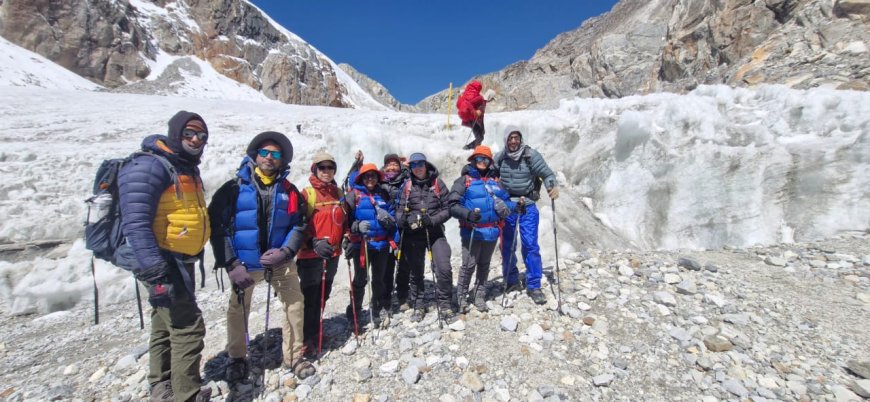
Getting the right insurance for yourEverest Base Camp Tour is important for your safety and peace of mind. Since this trek includes high altitudes, unpredictable weather, and remote areas, there are some risks involved. Having proper insurance can help you out financially if something goes wrong, whether it's an injury, illness, evacuation, or if you need to cancel your trip.
When looking for insurance, make sure the policy covers things like helicopter evacuation and emergency rescue, since ground transportation might not be an option in some situations. Youll also want medical coverage that includes altitude sickness, which is pretty common at that height. Coverage for trip interruptions and lost gear can also come in handy due to the unpredictable conditions in the mountains.
Before you buy, take a close look at the policy to check for any altitude limits that might not cover your trek. Some plans wont cover you above certain heights, so its best to confirm that. Also, check if they cover pre-existing medical conditions and if they provide 24/7 emergency assistance. Make sure you keep a copy of your insurance documents and emergency contact numbers on hand.
Buying your insurance ahead of time allows you to ask any questions you have. While being physically prepared and having guides are important, the right insurance gives you peace of mind, letting you focus on enjoying the stunning views at Everest Base Camp. Its not just a safety measure; its a smart move for anyone trekking in the Himalayas.
Why Is Insurance Important for Trekking to Everest Base Camp?
Getting insurance for your trip to Everest Base Camp is important. Trekking at high altitudes comes with risks like altitude sickness, injuries, and sudden weather changes. Having good insurance helps you get emergency medical care and evacuation if needed. Without it, dealing with emergencies in remote areas can be tricky and expensive. Insurance helps you relax and enjoy your trek without stressing over what might go wrong. Picking the right plan for Everest makes sure you have support during tough times, keeping you safe and ready.
What Coverage Should Your Everest Base Camp Insurance Have?
Your Everest Base Camp insurance should cover emergency medical care, helicopter evacuation, trip cancellations, and lost or stolen gear. Since high-altitude trekking has its challenges, you need insurance that covers altitude sickness and related evacuations, since many regular plans dont. Coverage for trip interruptions can protect your money if you have to come back early due to weather or health issues. Gear coverage is also smart to have, especially for your pricey equipment. Look for a policy that includes 24/7 emergency help to handle rescues and medical assistance. This way, youll feel secure while trekking.
How to Pick Insurance for High-Altitude Trekking?
When youre looking for insurance for Everest Base Camp, make sure the policy covers trekking above 4,000 meters. Many basic plans wont. Check the altitude limits, whats excluded, and any rules about pre-existing conditions. Choose insurers who know about Himalayan trekking and understand the risks involved. You should also see if they cover emergency helicopter evacuations and high-altitude medical treatments. Comparing different policies and reading reviews can help you find trustworthy insurers. Buying from companies that specialize in trekking insurance can give you better coverage and support if you need to make a claim.
What Does Everest Base Camp Insurance Cost and Is It Worth It?
The cost of insurance for Everest Base Camp varies based on whats covered, how long your trip is, and other benefits, usually between $100 to $300 for a standard trek. While this adds to your travel costs, it's a small change compared to the potential bills for emergency evacuations or medical care, which can run into thousands. Investing in solid insurance is smart because it helps protect both your health and finances. Given the risks of altitude and remote locations, the safety net that comes with insurance is well worth the money, so you can trek without worry.
How to Use Your Everest Base Camp Insurance in an Emergency?
If an emergency comes up while youre at Everest Base Camp, contact your insurance companys emergency assistance line right away. Give them your location, your condition, and what kind of help you need. Follow their directions to get rescue, medical care, or evacuation. Keep your policy and important contacts handy. If you can, let your trekking guide or agency know to help with communication. The quicker you notify your insurer, the faster they can respond and help you. Knowing how your insurance works before you go helps you act swiftly in emergencies, keeping you safer on your trek.
Can Everest Base Camp Insurance Cover Altitude Sickness Treatment?
Altitude sickness is a real concern when trekking to Everest Base Camp, so having insurance that covers it is important. Not every travel insurance plan includes altitude sickness, so check this out before you buy. A good policy will help cover medical treatment if you start feeling headaches, nausea, or any serious issues. It should also cover getting you to lower altitudes if needed. This kind of coverage helps make sure you get the care you need quickly, which can really make a difference in avoiding big health problems. Making sure altitude sickness treatment is in your insurance helps keep you safe during your trek.
What Are the Common Exclusions in Everest Base Camp Insurance Policies?
It's important to know that Everest Base Camp insurance policies usually have some exclusions that trekkers should be aware of to avoid surprises. Common exclusions include risky activities like climbing above Base Camp without the right permits or not using supplemental oxygen. If you have any pre-existing health conditions, they might not be covered unless you mention them upfront. Some plans may not cover injuries caused by bad weather or avalanches, either. Also, if you dont follow medical advice or safety guidelines, you might have a claim denied. To avoid any gaps in your coverage, read the fine print and ask insurers about exclusions.
How to Prepare Documentation for Everest Base Camp Insurance Claims?
Getting your paperwork right is key when you need to file insurance claims for Everest Base Camp. Keep all medical reports, prescriptions, and receipts for treatments close by. If you get evacuated, make sure to save any rescue reports and transport receipts. Taking photos of injuries or incidents can help with your claims, too. Always have a copy of your insurance policy and emergency contact info with you on the trek. Letting your insurer know about any incidents as soon as they happen and following their claim steps can help you get reimbursed smoothly. Having everything documented well makes things less stressful during emergencies.
Are Group Trekking Insurance Plans Available for Everest Base Camp?
Yes, you can get group trekking insurance plans for those heading to Everest Base Camp, which can save some money for teams. These plans offer similar benefits to individual insurance but at a lower price for groups. Group insurance is great for trekking companies, guided trips, or friends who want to travel together. It covers medical emergencies, evacuations, and trip interruptions for everyone involved, ensuring safety for the whole group. Some plans even come with added benefits like trip cancellation coverage for the group. Going for a group plan can make managing everything easier and ensure that everyone gets the same level of protection on their Everest trip.
10. What Role Does Travel Insurance Play in Everest Base Camp Trip Planning?
Travel insurance is a key part of planning a trip to Everest Base Camp as it helps reduce financial and health risks tied to high-altitude trekking. It gives you a safety net for unexpected events like injuries, illnesses, or having to cancel trips due to bad weather or political issues. Insurance lets trekkers focus on getting ready and having fun. By including insurance early in your planning, you can make sure youre covered before you set off and that it lasts throughout your trek. It also helps with being flexible in your itinerary and being prepared for emergencies. Overall, having insurance is a smart move for a safe Everest Base Camp trekking experience.
Is travel insurance a must for the Everest Base Camp Trek?
While travel insurance isn't legally required for trekking to Everest Base Camp, it's a good idea. The remote setting, high altitude, and risks like altitude sickness or bad weather make insurance really important. Many trekking companies ask for proof of insurance to keep everyone safe. A solid policy can help cover emergency evacuations, medical costs, and trip cancellations, which can add up fast. So, even if it's not a law, having travel insurance for high-altitude treks is smart and a good safety measure.
How should you get ready for Everest Base Camp?
Getting ready for Everest Base Camp means preparing your body and mind. Start by building your stamina with cardio activities like running or biking. Work on strengthening your legs and core with exercises like squats and lunges. Practice hiking with a loaded backpack to feel what its like on the trek. Look into the route and check the weather so you can pack the right gear. Its also important to understand altitude acclimatization; take rest days to adjust. Mentally, keep your expectations realistic and learn some basic first aid. Checking in with a doctor for a health assessment and vaccinations helps ensure you're good to go. Being well-prepared makes the trek safer and more fun.
How safe is trekking to Everest Base Camp?
Trekking to Everest Base Camp is usually safe if you take the right precautions. There are risks like altitude sickness and weather changes, but most trekkers finish without major issues. Staying safe relies on proper acclimatization, fitness, and having experienced guides. Keep hydrated, pace yourself, and be aware of altitude sickness symptoms. Weather can shift quickly, so bring the right gear and listen to local advice. Getting trekking permits and insurance adds extra security. All in all, if you plan carefully and respect the environment, trekking to Everest Base Camp can be a safe and rewarding experience.
How fit do you need to be for Everest Base Camp?
For the Everest Base Camp Hike, its best to have a moderate to high level of fitness since there are long hikes and high altitudes. You should be okay with walking for 5-7 hours daily over uneven ground, often uphill. Good cardiovascular fitness will help you with endurance, while strong legs will support carrying a backpack. Your training should mix aerobic exercises like running or cycling with strength workouts for your legs and core. Practice hiking with a weighted backpack to mimic real trek conditions. Being fit will help you feel less tired, adjust to the altitude better, and lower your risk of injury. You dont need technical climbing skills, but good physical prep is key for a safe and enjoyable trek.