
























How to Choose the Right Type of Steel for Industrial Projects

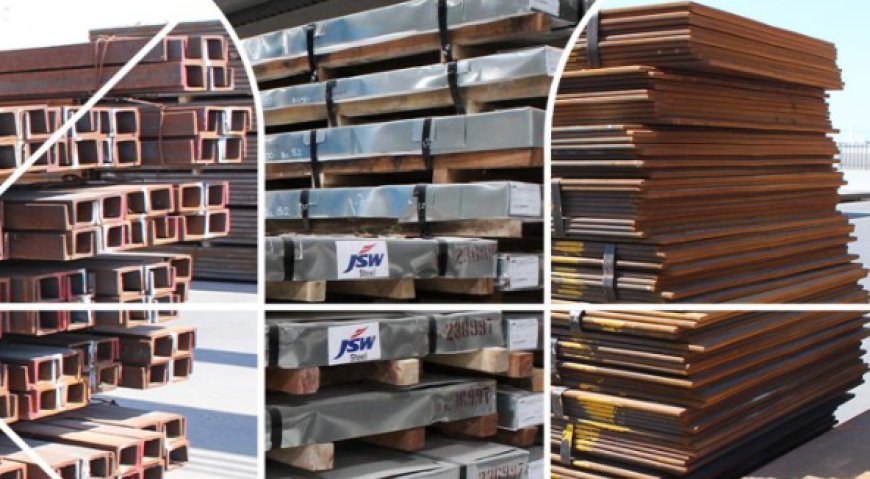
Choosing the right type of steel is a critical decision for any industrial project. Whether you're building infrastructure, manufacturing machinery, or fabricating large structures, the steel you select will influence the durability, cost, performance, and lifespan of your project. With the wide variety of steel grades and finishes available, understanding what works best for your specific requirements is key to long-term success.
Understand the Application and Environment
The first step in selecting steel is to assess the environment in which it will be used. Will the steel be exposed to moisture, chemicals, or extreme temperatures? Does the structure require load-bearing capabilities, or is it more about aesthetic finish and design? For example, stainless steel is highly resistant to corrosion and is ideal for chemical plants, marine environments, and food processing industries. Carbon steel, on the other hand, is known for its strength and is often used in heavy machinery and construction frameworks.
If your project is situated in a coastal region or exposed to the elements, corrosion resistance becomes a priority. In contrast, indoor applications with minimal exposure may allow for more cost-effective options such as mild steel.
Consider Mechanical Properties
Steel comes in various grades, each with specific mechanical properties like tensile strength, ductility, hardness, and impact resistance. Understanding these characteristics will help you choose a material that can withstand operational demands. For instance, projects that involve heavy loads or impact forces should consider high-strength low-alloy (HSLA) steels that provide excellent structural integrity while being lighter than traditional carbon steels.
If welding is required, low-carbon steels are easier to work with and minimize the risk of cracking. For components that require machining, free-cutting steels reduce wear and tear on tools and increase productivity.
Evaluate Industry Standards and Compliance
Industrial projects often need to comply with international or local standards such as ASTM, EN, or ISO. These standards define the chemical composition, mechanical properties, and quality levels of steel products. Ensuring that your steel meets the required specifications helps avoid project delays and ensures safety and performance.
Working with Steel Stockholders in the UAE can help streamline this process, as they typically stock certified materials that align with both global and regional standards. Whether you're sourcing structural beams, plates, or custom-fabricated parts, relying on reputable suppliers ensures consistent quality and traceability.
Surface Finish and Treatment Options
Steel can be supplied in a variety of surface finishes such as galvanized, painted, or powder-coated. The choice of finish not only affects the appearance but also adds protection against corrosion, abrasion, or chemical exposure. For outdoor or industrial environments, galvanized steel is a popular choice due to its protective zinc coating.
Additionally, treatments like heat-treating, annealing, or case hardening can enhance specific properties of steel, making them more suitable for demanding applications.
Determine the Budget and Lifespan
Cost is always a consideration, but it should be weighed against the steels performance over the long term. While high-grade stainless steel may come with a higher upfront cost, its corrosion resistance can lead to fewer maintenance issues and replacements down the line. Conversely, using a lower-cost mild steel may result in more frequent repairs in aggressive environments.
A thorough cost-benefit analysis should take into account not just the initial purchase price but also the steel's expected lifespan, ease of fabrication, and maintenance requirements.
Work with Reputable Steel Suppliers
Finally, the reliability of your supply chain plays a big role in ensuring the success of your project. Working with experienced Steel Stockholders in the UAE provides access to a wide variety of steel types, sizes, and finishes, all under one roof. These suppliers can also provide technical guidance, material certification, and custom cutting or fabrication services tailored to your project's specific needs.
Partnering with a trusted steel stockholder ensures timely deliveries, consistent quality, and competitive pricingcrucial factors for keeping industrial projects on schedule and within budget.
Conclusion
The type of steel that is selected to be used in industrial applications should be done with great regard to the environment, mechanical needs, industry standard, surface treatment, and the total cost. Stop guessing when it comes to these factors, as well as suppliers and start making decisions that make your project work and last longer. Are you constructing an oil and gas plant, a manufacturing facility, a construction project or an infrastructure? Using the right type of steel determines your success.