


















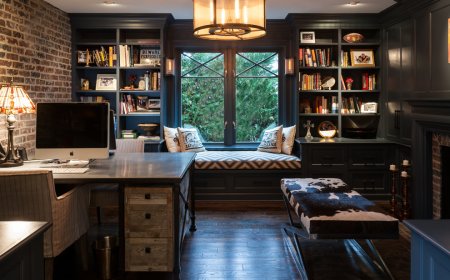








How to Antique Shop Melrose District
How to Antique Shop Melrose District The Melrose District in Los Angeles is more than just a stretch of vibrant streets lined with vintage boutiques and eclectic storefronts—it’s a living archive of design history, cultural memory, and curated nostalgia. For antique enthusiasts, collectors, and design lovers, shopping in Melrose offers an unparalleled experience where every corner holds the potent

How to Antique Shop Melrose District
The Melrose District in Los Angeles is more than just a stretch of vibrant streets lined with vintage boutiques and eclectic storefrontsits a living archive of design history, cultural memory, and curated nostalgia. For antique enthusiasts, collectors, and design lovers, shopping in Melrose offers an unparalleled experience where every corner holds the potential for a hidden gem. Whether youre searching for a 1920s Art Deco mirror, a mid-century modern lamp, or a rare vinyl record from the 1970s, Melrose delivers an immersive journey through time. But navigating this bustling district with intention, efficiency, and discernment requires more than just wandering aimlessly. This guide reveals exactly how to antique shop Melrose District like a seasoned prowhether youre a first-time visitor or a longtime local.
Unlike traditional malls or chain retailers, antique shopping in Melrose is an art form. It demands patience, knowledge, and an eye for detail. The value of an item isnt always marked on a price tagits embedded in its provenance, craftsmanship, and condition. Understanding how to identify quality, negotiate respectfully, and recognize authentic pieces separates casual browsers from serious collectors. This tutorial is designed to transform your next visit into a strategic, rewarding expedition. Youll learn how to plan your route, evaluate merchandise, build relationships with vendors, and uncover the districts best-kept secretsall while avoiding common pitfalls that can turn a promising outing into a frustrating one.
Antique shopping isnt merely about acquiring objectsits about connecting with history, preserving craftsmanship, and curating a personal narrative through material culture. In Melrose, where vintage meets contemporary and every shop tells a story, mastering the craft of antique shopping elevates your experience from transactional to transformative. Lets begin your journey with a step-by-step roadmap to navigating this iconic district with confidence and insight.
Step-by-Step Guide
Plan Your Visit Around Peak Hours and Seasonal Events
Timing is everything when antique shopping in Melrose. The district comes alive on weekends, especially Saturdays, when local collectors, interior designers, and tourists converge. However, this also means crowds, limited parking, and longer lines at popular shops. To maximize your experience, aim to arrive between 10:00 a.m. and 11:30 a.m. on a Saturday. This window offers the sweet spot: shops are fully stocked, vendors are fresh and attentive, and the rush hasnt yet begun. Avoid late afternoons if youre seeking the best selectionmany vendors begin reducing prices or packing up after 4 p.m.
Additionally, align your visit with seasonal events. The Melrose Trading Post, held every Sunday, is a cornerstone of the districts antique scene. This open-air market features over 100 vendors offering curated vintage goods, from mid-century furniture to handwoven textiles. Plan your trip around these dates for the most concentrated inventory. Similarly, check local event calendars for Antique Walk weekends or neighborhood heritage festivals, which often include guided tours, live music, and exclusive vendor pop-ups.
Map Your Route Strategically
Melrose Avenue stretches from Fairfax to La Brea, but not all sections are equal when it comes to antique shopping. Focus your energy on the stretch between Fairfax Avenue and La Brea Avenue, where the highest density of vintage and antique stores resides. Begin at the western end near La Brea and work your way east. This approach ensures you encounter the most curated, high-end shops first, setting a benchmark for quality before you reach the more casual, eclectic vendors near Fairfax.
Key stops to include in your route:
- 1010 Melrose A multi-vendor space housing over 30 curated boutiques specializing in vintage clothing, accessories, and home dcor.
- Architectural Artifacts A treasure trove of architectural salvage, including ornate moldings, stained glass, and vintage hardware.
- Rejuvenation Known for restored mid-century furniture and lighting, with a focus on authenticity and craftsmanship.
- Wasteland A go-to destination for rock-and-roll memorabilia, vintage posters, and rare vinyl.
- Goodwill Outlet (on S. La Cienega) A massive, warehouse-style thrift store with rotating inventory; best visited mid-week for fresh arrivals.
Use Google Maps to create a custom route, labeling each stop with estimated time blocks. Allocate 4560 minutes per store, allowing extra time for browsing and conversation. Avoid trying to visit more than five to seven shops in one dayquality over quantity is the mantra of successful antique shopping.
Understand Store Categories and Specializations
Not all antique shops are created equal. Some specialize in furniture, others in textiles, and still others in ephemera. Before entering a store, take a moment to observe the window display and signage. Is it focused on mid-century modern? Art Deco? Industrial salvage? Knowing the shops niche helps you evaluate whether it aligns with your collecting goals.
For example:
- Furniture-focused stores like Rejuvenation or The Way We Were prioritize structural integrity, original finishes, and provenance. Look for dovetail joints, hand-planed surfaces, and manufacturer stamps.
- Textile and clothing shops such as 1010 Melrose or The RealReal consignment section often carry designer vintage. Check for labels (e.g., Chanel, YSL, Dior), fabric composition (silk, wool, rayon), and signs of wear that indicate authenticity rather than reproduction.
- Hardware and architectural salvage shops like Architectural Artifacts offer unique finds like brass doorknobs, stained glass panels, or cast-iron radiators. These items are ideal for restoration projects and often carry historical significance.
- Book and ephemera stores like The Last Bookstore (just off Melrose) may not be traditional antiques, but they house rare first editions, vintage maps, and advertising posters that hold significant collectible value.
Knowing these categories allows you to enter each shop with targeted questions and a clear sense of what to look for, reducing time spent aimlessly browsing.
Inspect Items Methodically
Antique shopping requires a detectives eye. Never assume an item is valuable based on appearance alone. Always inspect for signs of age, authenticity, and condition. Use the following checklist for every piece you consider:
- Material composition Is it solid wood or veneer? Metal or plated? Glass or acrylic? Genuine materials age differently and hold higher value.
- Signs of wear Natural patina (light scratches, fading, oxidation) indicates age and authenticity. Over-polished or overly pristine items may be reproductions.
- Makers marks or signatures Look for stamps, labels, or etchings on the underside of furniture, inside drawers, or on the back of mirrors. Research these marks later using online databases or apps like WorthPoint.
- Joinery and construction Hand-cut dovetails, mortise-and-tenon joints, and hand-forged nails suggest pre-industrial craftsmanship. Machine-made screws and uniform joints often indicate 20th-century mass production.
- Functionality Does the drawer glide smoothly? Does the lamp wiring look safe? Does the clock tick? Functional items are more desirable and retain higher resale value.
- Missing parts Are legs, knobs, or glass panels missing? Minor missing parts can often be replaced, but major damage significantly reduces value.
Bring a small flashlight and a magnifying glass if possible. Many detailslike watermark signatures on paper or subtle tool marks on woodare invisible to the naked eye. Dont hesitate to ask vendors if you can remove a drawer or turn over a piece. Reputable dealers welcome careful inspection.
Engage with Vendors Thoughtfully
One of the greatest advantages of antique shopping in Melrose is the opportunity to connect with the people who curate these collections. Vendors are often historians, restorers, or lifelong collectors themselves. Engaging with them respectfully can unlock insider knowledge, rare finds, and even price flexibility.
Start with a simple, sincere compliment: I love this lampit has such a distinct 1950s silhouette. This opens the door for conversation. Ask questions like:
- Where did you source this piece?
- Do you know the maker or era?
- Have you had many similar items come through?
These questions signal genuine interest, not just a transaction. Many vendors will share stories about the items origin, previous owners, or restoration processdetails that add emotional and historical value. If youre serious about purchasing, express interest without pressure: Im considering this, but Id like to think about it. Would you mind if I came back tomorrow? This often leads to a reserved hold or even a discount.
Building rapport with a few key vendors can lead to early access to new inventory, invitations to private viewings, or even first dibs on items before theyre listed online.
Negotiate with Respect and Strategy
Negotiation is expected in Melroses antique scene, but it must be conducted with tact. Unlike flea markets, where haggling is aggressive, Melrose shops operate on relationships and trust. Never offer less than 20% below asking price on a clearly priced item. Instead, use these tactics:
- Bundle items Im interested in this lamp and the matching side table. Would you consider a package deal? Bundling often leads to a 1525% discount.
- Point out flaws I love this mirror, but the frame has a small chip on the bottom. Would you consider $150? Be specific and honest.
- Offer cash Many small vendors prefer cash to avoid credit card fees. Saying, I can pay cash today, can open the door to a 510% reduction.
- Ask about future sales Do you ever have end-of-month sales? Id like to come back if youre planning to discount. This plants the seed for a future visit.
Avoid blunt statements like This is too expensive or I can get this cheaper online. Instead, frame your offer as a collaborative effort: Id love to take this home if we can meet somewhere in the middle.
Document Your Finds
Before leaving any shop, take a photo of the itemfront, back, and any identifying marks. Note the store name, date, and price. This creates a personal catalog that helps you track your collection, compare prices, and verify authenticity later.
Use a simple notebook or a digital app like Evernote or Notion. Include:
- Item description
- Store name and address
- Price paid
- Condition notes
- Vendor name (if known)
- Photo
This documentation becomes invaluable if you ever decide to resell, insure, or research the provenance of your finds. It also helps you avoid buying duplicatessomething that happens surprisingly often when shopping across multiple locations.
Best Practices
Know Your Style and Stick to It
One of the most common mistakes antique shoppers make is buying impulsively because something looks nice. Without a clear aesthetic direction, your collection becomes a haphazard mix of styles that dont cohere. Before entering Melrose, define your collecting theme. Are you drawn to mid-century modern? Victorian elegance? Industrial chic? Bohemian eclectic?
Creating a mood boardusing Pinterest, Instagram, or even printed imageshelps you visualize your ideal space. When you see a piece in a shop, ask yourself: Does this fit my theme? If the answer is no, walk away. Discipline in collecting leads to a more valuable, visually harmonious collection over time.
Invest in Learning, Not Just Buying
The most successful antique shoppers are lifelong learners. Read books like The Complete Guide to Identifying and Valuing Antiques by Lesley and David Dunham, or follow YouTube channels like Antique Roadshow and The Vintage Showroom. Subscribe to newsletters from the Antiques and Collectibles Resource Directory or the International Society of Appraisers.
Attend free lectures at local libraries or museums. The Los Angeles County Museum of Art (LACMA) often hosts talks on design history. Even a single 90-minute lecture can teach you how to identify a genuine Eames chair from a replica, saving you hundredsor thousandsof dollars in the long run.
Verify Authenticity Before You Buy
The market is flooded with reproductions, especially in popular categories like mid-century furniture and Art Deco glass. A common trick is to sell new items with vintage labels or artificially aged finishes. To avoid being misled:
- Research the items typical dimensions, materials, and markings before you shop.
- Compare the piece to verified examples on museum websites or auction archives (e.g., Christies, Sothebys).
- Use apps like Google Lens or CamFind to upload photos and search for similar items.
- Ask vendors for documentation or provenanceif they hesitate or cant provide it, proceed with caution.
If youre unsure, dont buy. Walk away. Youll find another piece tomorrow.
Respect the Space and the Merchandise
Antique shops are not warehouses. Many items are fragile, irreplaceable, or historically significant. Never touch items unless invited. Avoid leaning on display cases or dragging furniture across the floor. If you need to move something, ask the vendor for assistance.
Respect the shops layout and curation. Vendors spend hours arranging displays to tell a visual story. Disrupting that flow shows a lack of appreciation for their craft. Treat each store like a museumcurious, quiet, and reverent.
Consider the Long-Term Value
Not every vintage item appreciates in value. Some are simply decorative. Ask yourself: Will this item still be desirable in 10 years? Is it rare? Is it in demand among collectors? Items by renowned designers (Charles and Ray Eames, George Nelson, Isamu Noguchi) or from limited production runs are more likely to hold or increase value.
Also consider restoration potential. A piece that needs minor repairlike reupholstering or refinishingcan be a bargain if the structure is sound. But avoid items with structural rot, major cracks, or missing components unless you have the skills and resources to restore them.
Build Relationships, Not Just Inventories
The best antique finds often come through word-of-mouth. Become a regular at two or three shops you trust. Show up consistently, even if youre not buying. Say hello. Ask about new arrivals. Over time, vendors will notify you when something matches your tasteeven before its listed online.
Follow your favorite shops on Instagram. Many post coming soon previews or hidden gems that never make it to the floor. Engage with their posts. Comment thoughtfully. These small actions build loyalty and open doors.
Tools and Resources
Mobile Apps for Antique Identification
Technology can be a powerful ally in antique shopping. Here are the most effective apps for identifying and valuing items on the go:
- WorthPoint A comprehensive database of auction results and price guides. Upload a photo to find similar items sold at Christies, Sothebys, or local estate sales.
- Google Lens Use your phones camera to search for visual matches. Great for identifying patterns, makers marks, or obscure designs.
- CamFind AI-powered image recognition that identifies objects in real time. Useful for vintage glassware, ceramics, and lighting.
- eBay Search sold items to see actual transaction prices, not just asking prices. Filter by condition and location to get accurate market data.
Books for Antique Enthusiasts
Deepen your knowledge with these essential texts:
- The Collectors Encyclopedia of Antiques by Robert W. McElroy A visual guide to identifying and dating American and European antiques.
- Mid-Century Modern: Furniture of the 1950s by Cara Greenberg The definitive guide to identifying authentic pieces from this iconic era.
- Vintage Fashion: A Guide to Collecting and Caring for 20th Century Clothing by Barbara L. Stewart Essential for anyone collecting vintage apparel.
- The Art of the Deal: How to Buy and Sell Antiques by Mary M. K. Gass A practical manual on negotiation, valuation, and ethics.
Online Communities and Forums
Connect with other collectors through these active platforms:
- Reddit r/Antiques A vibrant community for identification, valuation, and restoration advice.
- Facebook Groups Mid-Century Modern Collectors Members share finds, restorations, and sourcing tips.
- Instagram hashtags
melroseantiques, #vintagelosangeles, #midcenturymodern
Discover new shops, vendors, and hidden gems through geotagged posts.
Local Resources in Los Angeles
Take advantage of LAs rich cultural infrastructure:
- Los Angeles Public Library Special Collections Offers access to historical catalogs, design archives, and vintage advertisements.
- Design Center Los Angeles Hosts public lectures and exhibitions on design history.
- Antique Dealers Association of Southern California Provides a directory of vetted dealers and upcoming events.
Real Examples
Example 1: The $30 Lamp That Became a $1,200 Investment
In 2022, a collector named Elena visited Rejuvenation on a rainy Saturday. She noticed a small brass table lamp with a frosted glass shade. The price tag read $35. Upon closer inspection, she noticed a faint stamp on the base: Baccarat, France, 1953. Using her phone, she cross-referenced the mark with WorthPoint and found a nearly identical lamp sold at a Paris auction for 950 ($1,020). She negotiated the price down to $30, paid cash, and later sold it on 1stDibs for $1,200 after professional cleaning and rewiring. Her key moves: recognizing the makers mark, verifying value before purchase, and negotiating with cash.
Example 2: The Forgotten Sideboard That Restored a Home
Architectural Artifacts had a large, unassuming sideboard tucked behind a stack of mirrors. It was priced at $450. The vendor mentioned it was salvaged from a 1920s Beverly Hills mansion. The wood was walnut, the dovetail joints were hand-cut, and the original brass hardware was intact. A local restorer confirmed it was from the Arts and Crafts movement. The buyer, a designer restoring a 1923 bungalow, purchased it and spent $150 on refinishing. The final piece became the centerpiece of the dining room and was featured in Architectural Digest. The lesson? Sometimes the most overlooked items hold the greatest historical and aesthetic value.
Example 3: The Vinyl Record That Started a Collection
At Wasteland, a visitor found a 1969 pressing of Electric Ladyland by Jimi Hendrix in near-mint condition. The original sleeve was intact, and the record had no surface scratches. The vendor, a lifelong music collector, revealed it came from a private estate sale in Pasadena. The buyer paid $85well below the $150$200 market rateand later donated it to a local radio station for a vintage music night. Inspired, they began collecting jazz and soul records from the 1950s70s. Today, their collection includes over 500 records and has been featured on a podcast about LAs music history. This example shows how one discovery can spark a lifelong passion.
FAQs
What is the best day to antique shop in Melrose?
Saturdays are busiest, but best for selection. For fewer crowds and potential discounts, visit on weekdaysespecially Tuesdays and Wednesdayswhen vendors restock and may be more open to negotiation.
Are prices negotiable in Melrose antique shops?
Yes, especially in smaller, independent stores. Always ask. A polite, well-reasoned offer is more likely to be accepted than a lowball bid. Bundle items or offer cash to increase your leverage.
How can I tell if something is truly vintage or just a reproduction?
Check for makers marks, material quality, and construction details. Vintage items show natural wear, handcrafted joints, and materials consistent with their era. Reproductions often use modern screws, machine-made patterns, or synthetic finishes.
Should I bring cash when antique shopping?
Highly recommended. Many small vendors prefer cash to avoid credit card fees. Having cash on hand gives you negotiating power and ensures you dont miss a great deal because you cant pay.
Can I return items purchased from Melrose antique shops?
Most antique shops operate on as-is, all sales final policies. Always inspect items thoroughly before purchasing. Ask about return policies upfront, but assume none exist unless explicitly stated.
How do I know if an antique is worth restoring?
Consider the items structural integrity, rarity, and potential resale value. If the frame or core material is sound but needs cosmetic repair (reupholstering, refinishing), restoration is usually worthwhile. Avoid items with rot, major breaks, or missing essential parts unless youre a skilled restorer.
What should I avoid buying at antique shops?
Avoid items with hazardous materials (lead paint, asbestos insulation), heavily restored pieces with no original components, and items with unclear provenance. Also skip anything that feels too perfectits likely a modern reproduction.
Is Melrose District safe for antique shopping?
Yes. The Melrose District is a well-trafficked, walkable area with active businesses and security patrols. As with any urban area, remain aware of your surroundings, keep valuables secure, and avoid carrying large amounts of cash.
Conclusion
Antique shopping in the Melrose District is not a choreits a pilgrimage. Each shop is a portal to another era, each object a whisper from the past. But to truly benefit from this experience, you must approach it with intention, curiosity, and respect. This guide has equipped you with the tools to navigate Melrose like a seasoned collector: from strategic timing and route planning to identifying authentic pieces and building relationships with vendors.
Remember, the most valuable items arent always the most expensive. Sometimes, its the unassuming lamp, the slightly chipped vase, or the faded poster that carries the deepest story. Your success as an antique shopper depends not on how much you spend, but on how deeply you engagewith the objects, the history, and the people who preserve them.
As you walk the streets of Melrose, dont just look for things to buy. Look for connections to make. Listen to the stories. Feel the texture of time. Let each find enrich not just your home, but your understanding of design, culture, and human creativity across generations.
Now goexplore with purpose, buy with discernment, and collect with heart. The Melrose District is waiting.