


















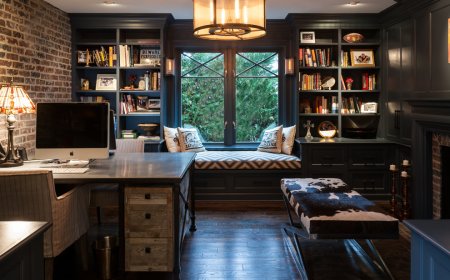








How to Antique Hunt in Melrose District
How to Antique Hunt in Melrose District The Melrose District in Los Angeles is more than just a trendy neighborhood known for its vibrant street art and boutique cafés—it’s a hidden treasure trove for antique hunters, vintage collectors, and history enthusiasts. Nestled between the bustling streets of Fairfax and the creative energy of Silver Lake, Melrose Avenue and its surrounding blocks offer a

How to Antique Hunt in Melrose District
The Melrose District in Los Angeles is more than just a trendy neighborhood known for its vibrant street art and boutique cafsits a hidden treasure trove for antique hunters, vintage collectors, and history enthusiasts. Nestled between the bustling streets of Fairfax and the creative energy of Silver Lake, Melrose Avenue and its surrounding blocks offer a unique blend of mid-century modern finds, forgotten heirlooms, and rare artifacts from decades past. Unlike conventional shopping districts, Melrose rewards patience, curiosity, and a trained eye. Antique hunting here isnt just about buying objectsits about uncovering stories, connecting with local artisans, and preserving cultural heritage. Whether youre a seasoned collector or a first-time explorer, mastering the art of antique hunting in Melrose requires more than just walking down the street. It demands strategy, knowledge, and an appreciation for the subtle clues that separate ordinary items from extraordinary relics. This guide provides a comprehensive, step-by-step roadmap to help you navigate Melroses antique landscape with confidence, uncover hidden gems, and avoid common pitfalls that even experienced hunters overlook.
Step-by-Step Guide
1. Understand the Melrose Antique Landscape
Before you set foot on Melrose Avenue, take time to understand its unique structure. Unlike centralized flea markets or dedicated antique malls, Melroses antique offerings are scattered across independent shops, pop-up stalls, private residences turned consignment stores, and even sidewalk vendors during weekend markets. The stretch between La Brea Avenue and Fairfax Avenue is the epicenter, but dont overlook side streets like Melrose Place, South Melrose, and the alleyways between 7th and 9th Streets. Many of the most valuable finds are tucked away in unassuming storefronts with faded signs or no signage at all. Begin by mapping out key zones: the high-traffic retail corridor along Melrose Avenue (home to established boutiques), the quieter residential blocks where private collectors operate, and the emerging clusters near the former Melrose Market space, now repurposed into a curated vintage collective.
2. Research the Neighborhoods History
Antique hunting is not just about spotting old objectsits about understanding their context. Melrose emerged as a residential and commercial hub in the 1920s and 1930s, with a surge in Spanish Revival and Art Deco architecture. The post-war era brought mid-century modern design, and the 1970s1990s saw an influx of eclectic, bohemian influences. Knowing this timeline helps you identify what era an item likely belongs to. For example, a brass lamp with a jade base and geometric detailing is likely 1930s1940s; a teak sideboard with tapered legs and minimal hardware is almost certainly 1950s1960s. Visit the Los Angeles Public Librarys digital archives or the Melrose Historical Societys online exhibits to familiarize yourself with local design trends. This background knowledge will help you spot authentic pieces and avoid mass-produced reproductions.
3. Visit at the Right Time
Timing is everything in antique hunting. Most Melrose antique shops open between 11 a.m. and noon, but the best deals appear early in the weekspecifically Tuesday and Wednesday mornings. This is when shop owners restock after weekend sales, rearrange inventory, and sometimes discount items they didnt move. Avoid weekends if youre seeking undisturbed browsing; the crowds can obscure hidden finds, and prices are often inflated due to tourist demand. For those hunting at outdoor markets, the Melrose Saturday Market (held seasonally near the intersection with 7th Street) is ideal for discovering one-of-a-kind pieces, but arrive before 9 a.m. to get first pick. Some private dealers only open by appointment; check Instagram accounts of local shops for by request openings or early access announcements.
4. Learn to Read the Signs (Literally)
Many Melrose antique stores dont advertise prices or condition details. Instead, they rely on subtle cues. Look for handwritten tags, mismatched labels, or items placed near the back of shelvesthese are often overlooked treasures. Items with price stickers that have been crossed out and rewritten indicate negotiation potential. Dusty items on high shelves may be forgotten classics, while items displayed prominently with glossy photos might be overpriced reproductions. Pay attention to the condition of the store itself: cluttered, slightly chaotic spaces often signal a passionate collector who values authenticity over presentation. Conversely, sterile, museum-like displays may indicate curated reproductions or high-end resellers with fixed pricing. Dont be afraid to ask, Is this item negotiable?many vendors in Melrose expect it.
5. Master the Art of the Visual Scan
Effective antique hunting requires a systematic visual approach. Start by scanning vertically: begin at eye level, then move up to shelves and down to floor-level crates. Most dealers place their most expensive items at eye level, while lower shelves hold lesser-known or damaged goods that may contain hidden value. Look for distinctive features: hand-carved wood grain, brass hardware with patina, makers marks on the underside of furniture, or unusual fabric weaves. A simple wooden chair might seem ordinary, but if the legs are splayed and the seat has a concave curve, it could be a 1940s Danish design. Examine the jointsmachine-made pieces have uniform screws; handcrafted items show irregular nail holes or mortise-and-tenon joinery. Dont overlook textiles: vintage quilts, embroidered linens, or faded tapestries often carry significant historical value and can be restored inexpensively.
6. Develop a Mental Inventory of Value Indicators
Build a personal checklist of what makes an item valuable in Melroses context. For furniture, look for solid wood (not veneer), original finishes (not repainted), and signatures from makers like Charles and Ray Eames, George Nakashima, or Herman Miller. For ceramics, check for makers stamps on the bottomJapanese Satsuma, American McCoy, or French Limoges pieces often carry premium value. Books should be first editions with dust jackets intact; look for publisher logos from the 1920s1950s. Glassware: look for air bubbles, slight imperfections, and hand-blown bases. Silver: test for hallmarks (e.g., 925 or Sterling) and avoid items with heavy plating wear. Electronics: pre-1970s radios and televisions with wooden cabinets and vacuum tubes are highly collectible. Keep a small notebook or phone app to log these indicators as you encounter themover time, your intuition sharpens.
7. Engage with the Vendors
The most valuable information in Melrose doesnt come from price tagsit comes from conversations. Vendors are often former collectors, artists, or historians whove spent decades curating their stock. Ask open-ended questions: How long have you had this piece? or Where did you source this? Their answers can reveal provenance, restoration history, or even a connection to a famous owner. A vendor might mention that a mirror came from a 1950s Beverly Hills mansion, or that a set of silverware belonged to a Hollywood set designer. These stories elevate an object from old to meaningful. Dont rush the interaction. Sit down if they offer a cup of coffeemany Melrose dealers treat their shops as living rooms. Building rapport can lead to first access to new arrivals, private viewings, or even discounts on items youve shown genuine interest in.
8. Negotiate with Respect
Negotiation is expected in Melrose, but it must be done with cultural awareness. Unlike big-box retailers, many vendors operate on thin margins and rely on personal relationships. Never offer a price lower than 30% of the asking price outrightthis signals inexperience. Instead, start with a 1520% reduction and explain why: I love this lamp, but the cord looks wornwould you consider $80? Mentioning a repair cost youre willing to cover often works better than blunt discounting. If an item is priced at $200, offering $160 with a comment like, Id take it if you throw in the matching side table can yield better results than trying to haggle down a single piece. Always thank the vendor, even if they decline. A respectful approach builds your reputation as a serious hunter, not a bargain hunter.
9. Document Everything
Keep a digital or physical log of every item you consider. Take photos from multiple angles, note the shop name and address, record the asking price, and write down any story the vendor shared. Use a simple spreadsheet or app like Notion or Google Sheets to track your progress. This helps you avoid buying duplicates, recognize patterns in pricing, and identify which shops consistently offer high-quality inventory. It also creates a personal archive of your hunting journeyan invaluable resource for future resale, gifting, or historical documentation. If youre planning to resell, this documentation becomes part of the items provenance, increasing its market value.
10. Know When to Walk Away
One of the most powerful skills in antique hunting is knowing when to leave something behind. Not every dusty object is a hidden gem. If you feel pressured, if the item feels off (wrong weight, odd smell, mismatched parts), or if the story doesnt add up, trust your instincts. Many counterfeit items in Melrose are cleverly agedlook for modern glue, laser-printed labels, or synthetic patina. Walk away from anything that feels too good to be true. The best finds often come after days or weeks of searching. Patience is your greatest asset.
Best Practices
1. Prioritize Quality Over Quantity
Its tempting to fill your car with every interesting object you see, but true antique hunting is about curation, not accumulation. Focus on acquiring pieces with character, craftsmanship, and historical significance. A single well-chosen 1930s Art Deco mirror can elevate a room more than ten generic mid-century side tables. Buy less, but buy better. This approach also reduces storage costs and increases the likelihood of resale or display value.
2. Learn Basic Restoration Skills
Many Melrose finds need minor repairsa loose leg, a missing knob, a faded label. Learning to reattach hardware with wood glue, clean brass with vinegar and salt, or reupholster a chair with vintage fabric can turn a $50 piece into a $300 treasure. Take a local workshop at the Los Angeles County Museum of Art (LACMA) or watch YouTube tutorials from reputable restorers like The Antique Detective or The Restoration Station. Even basic skills like dusting with microfiber cloths and avoiding water-based cleaners can preserve an items integrity.
3. Avoid Common Mistakes
Beginners often make three critical errors: buying without cleaning, assuming age equals value, and ignoring condition. A heavily soiled item may hide original finishes underneath. A 1980s plastic lamp may look vintage but has no collector demand. A cracked porcelain vase may be worth more as a fragment than a repaired wholedepending on rarity. Always inspect for structural damage, insect infestation (look for tiny holes in wood), or chemical restoration (use a UV light to detect modern paint). Never buy anything you cant return or inspect again.
4. Build Relationships, Not Transactions
Establish yourself as a regular. Visit the same shops weekly, even if you dont buy. Say hello to the staff. Share your own finds or stories. Over time, youll be the first to hear about new acquisitions, estate sales, or private collections being liquidated. Many Melrose dealers keep lists of trusted buyers and will call you directly when something rare comes in.
5. Respect the Culture
Melrose has a deep-rooted appreciation for creativity and individuality. Avoid treating antique shops as discount outlets. Dont touch items without asking. Dont photograph without permission. Dont haggle aggressively. The neighborhood thrives on mutual respect between collectors, sellers, and artists. Your behavior reflects on the entire community.
6. Stay Legal and Ethical
Never purchase items that may be stolen, looted, or culturally protected. Avoid Native American artifacts, religious relics, or archaeological pieces unless you have documentation. California has strict laws regarding the sale of certain historical objects. If in doubt, ask the vendor for provenance or consult the California Department of Justices guidelines on cultural property.
Tools and Resources
1. Essential Tools for the Field
Carry a small kit: a microfiber cloth, a flashlight (for inspecting under furniture), a magnet (to test for brass vs. plated metal), a small notebook, and a measuring tape. A phone with a magnifying app helps read tiny makers marks. A portable UV light (under $20 on Amazon) can reveal repairs or modern finishes invisible under normal light. A reusable tote bag is preferable to plasticmany shops appreciate eco-conscious hunters.
2. Recommended Books
Mid-Century Modern Furniture: The Definitive Guide by John B. Kassay
The Collectors Encyclopedia of American Glass by Rosemary and John Kassay
Antique Trader Price Guide to Vintage Home Decor
Los Angeles Architecture: A Guide to the Citys Historic Styles by Carol S. Dorman
3. Online Databases and Apps
1stDibs Compare prices and styles of high-end vintage items Etsy Search Melrose vintage to see whats trending Google Arts & Culture Explore curated collections of mid-century design Antique Price Guide (app) Scan barcodes or enter keywords for instant valuations Instagram hashtags
MelroseAntiques, #MelroseVintage, #LAAntiqueHunt
4. Local Organizations and Events
Melrose Historical Society Hosts quarterly talks on local design history Los Angeles Modern Auctions (LAMA) Offers previews and appraisals California Vintage Collectors Club Monthly meetups in East LA Melrose Saturday Market Seasonal outdoor market with curated vendors (check their website for dates)
5. Mapping Tools
Use Google Maps to create a custom layer of antique shops in Melrose. Mark favorites with stars and notes: Best ceramics, Known for Eames, Open by appointment. Update it regularly. Some hidden gems are only listed on Yelp or Facebook, so cross-reference platforms. Consider using a GPS app like MapMyRun to track your walking routesyoull notice patterns in where treasures appear.
Real Examples
Example 1: The Hidden Eames Chair
In early 2023, a local photographer visited a cluttered shop near Melrose and 8th Street. The owner had a stack of chairs covered in dust. One had a faded label under the seat: Herman Miller, Model Eames Molded Plywood Chair, 1952. The seller thought it was a replica. The buyer, recognizing the unique grain pattern and original rubber grommets, offered $120. The seller, unaware of its value, accepted. The buyer later had it professionally restored and sold it on 1stDibs for $2,800. The key? Knowing the specific details of Eames productionlike the absence of screws in the original design and the unique plywood layering.
Example 2: The Forgotten Silver Service
A woman browsing a thrift store on South Melrose found a set of 12 silver-plated forks and spoons in a box labeled miscellaneous cutlery. The handle design was ornate, with a floral motif. She took a photo and ran it through a Google reverse image search, which led her to a 1908 Gorham Manufacturing catalog. The pattern, Dawn, was discontinued in 1930 and extremely rare. She bought the set for $15. After cleaning and verifying hallmarks, she sold it to a private collector for $1,200. Her success came from using digital tools to identify obscure patterns.
Example 3: The Art Deco Mirror from a Garage Sale
A collector noticed a dusty mirror leaning against a garage in a residential block off Melrose Place. The frame was brass with geometric inlays and a slight patina. The owner, an elderly woman, said it came from her grandmothers home in Pasadena. She asked $40. The buyer recognized the style as matching the 1930s Los Angeles County Courthouses interior design. He offered $75 and paid in cash. Later, he discovered the mirror had been featured in a 1935 architectural magazine. He donated it to the Huntington Librarys permanent collection, where it now has a plaque crediting its Melrose discovery.
Example 4: The Misidentified Book
A young collector bought a 1947 hardcover titled California Craftsman Homes for $5 at a flea market stall. The cover was worn, and the spine was cracked. He assumed it was common. Later, he noticed the publisher was Tuttle & Co.a short-lived press that printed only 200 copies before going bankrupt. He found one other copy listed in a university archive. He had it rebound and sold it to a rare book dealer for $900. The lesson? Even mundane-looking books can be rare if tied to obscure publishers or local history.
FAQs
Do I need a permit to sell items I find while antique hunting in Melrose?
No, you do not need a permit to sell items youve purchased or found through private transactions. However, if you plan to operate as a regular vendorsetting up a booth, advertising publicly, or selling more than a few items per monthyou may need a California Sellers Permit from the State Board of Equalization. Most casual collectors and resellers are exempt.
How can I tell if a piece is truly vintage or just a reproduction?
Look for signs of age: uneven wear, tool marks, patina that penetrates the surface, and handmade imperfections. Reproductions often have uniform finishes, machine-made screws, and modern materials. Use a UV light to detect modern adhesives or paints. Research makers marks and compare them to online databases. If it feels too perfect, its likely new.
Whats the best time of year to antique hunt in Melrose?
Spring (MarchMay) and early fall (SeptemberOctober) are ideal. These are the seasons when estate sales and downsizing homeowners release collections. Summer can be slow due to vacations, and winter may bring rain that limits outdoor markets. The holiday season (NovemberDecember) brings higher prices but also more inventory as people declutter.
Are there any restricted items I should avoid buying?
Yes. Avoid Native American artifacts, firearms without documentation, human remains, protected wildlife products (e.g., ivory, tortoiseshell), and items with known stolen provenance. California law prohibits the sale of many cultural objects without certification. When in doubt, ask for documentation or consult the California Department of Justices Cultural Heritage Division.
Can I negotiate prices at all Melrose antique shops?
Most independent shops welcome negotiation, especially on items priced over $50. Chain stores or those with fixed pricing (often marked FIRM) do not. Always ask politely: Is this price flexible? or Would you consider a trade? Never assume a price is non-negotiable unless explicitly stated.
How do I transport large items like furniture from Melrose?
Many shops offer local delivery for a fee, typically $25$75. If youre transporting yourself, use a pickup truck or rent a small trailer. Wrap items in moving blankets and secure them with straps. Avoid placing heavy pieces directly on car seats. For fragile items, consider hiring a local moving service that specializes in vintage goodsmany operate out of the Melrose area.
What should I do if I think Ive found something valuable?
Take clear photos from multiple angles and note the shop name and date. Use online databases like WorthPoint or Invaluable to compare similar items. If you suspect high value, visit a local appraiserLAMA (Los Angeles Modern Auctions) offers free preliminary evaluations on select days. Do not rush to sell; sometimes waiting for the right buyer yields better returns.
Conclusion
Antique hunting in the Melrose District is not a hobbyits a ritual. Its the quiet satisfaction of finding a 1940s ceramic vase in a dusty corner, the thrill of recognizing a design detail that ties back to a forgotten architect, the warmth of a vendor who remembers your name after three visits. Its about more than ownership; its about stewardship. Each piece you recover from obscurity becomes part of a living archive, preserving the creativity and craftsmanship of a bygone era. The Melrose District, with its layers of history, eccentric characters, and hidden corners, offers one of the most rewarding antique hunting experiences in Southern California. But success doesnt come from luck. It comes from preparation, observation, and respectfor the objects, the vendors, and the neighborhood itself. Equip yourself with knowledge, refine your eye, and approach each visit with curiosity, not conquest. The next treasure isnt waiting for you on a shelfits waiting for you to notice it. And when you do, you wont just be buying an antique. Youll be continuing its story.