



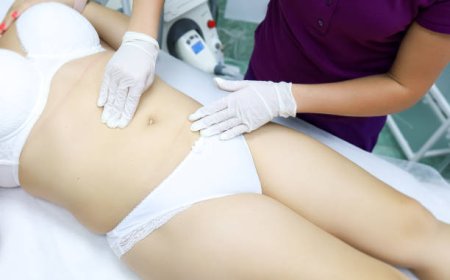























How Often Should You Get a Body Massage for Stress?
Discover how often you should get a body massage for stress relief. Learn the difference between body scrubs, wraps, and massages, and explore the long-term benefits of consistent relaxation therapy.


Body massage has long been recognized as a powerful tool for reducing stress and supporting emotional well-being. Through therapeutic touch, a skilled massage therapist can help ease muscle tension, lower cortisol levels, and promote a state of deep relaxation. But when it comes to using massage for stress management, a common question arises: how often should one get a massage to experience consistent relief?
A body massage once every two weeks is the best option for most individuals who are struggling with chronic stress, however this depends on personal needs. This frequency helps maintain emotional balance and prevents the reaccumulation of tension in both the body and mind. Those facing acute stress, anxiety, or sleeplessness may benefit from weekly sessions until they notice sustained improvement.
At a Massage Center in Chennai, for example, clients often begin with weekly visits and then reduce frequency as stress symptoms diminish. Others, especially those using massage for general wellness, may find that monthly sessions are sufficient for recovery and recharge.
Massage, Scrubs, and Wraps: Whats the Difference?
While exploring options for relaxation therapy, many individuals come across treatments like body scrubs and body wraps alongside traditional massage offerings. These services may sound similar but serve distinct purposes.
A body scrub is an exfoliating treatment designed to remove dead skin cells and stimulate surface circulation. It involves the use of textured substances like sea salt, coffee grounds, or sugar, often combined with nourishing oils. While scrubs offer sensory relaxation and leave the skin feeling refreshed, their primary goal is skincare.
On the other hand, a body wrap focuses more on detoxification and hydration. It typically includes the application of herbal or mineral-rich pastes followed by wrapping the body in warm towels or sheets. This process encourages the absorption of nutrients and the elimination of impurities through the skin.
In contrast, a body massage is rooted in therapeutic touch, aiming to release muscle knots, enhance blood flow, and restore calm through consistent physical contact. While scrubs and wraps may contribute to overall wellness, only massage targets deeper physical and emotional layers tied to chronic stress.
Understanding these differences can help individuals build a more effective routine wellness plan, choosing treatments that align with both physical needs and mental stress levels.
Setting a Massage Routine That Works
Once individuals identify that massage supports their stress management goals, the next step is creating a consistent routine. Frequency depends on lifestyle, work pressure, emotional resilience, and existing health conditions.
Those navigating high-stress jobs, emotional burnout, or recurring headaches might find value in weekly sessions, particularly in the early stages of treatment. Over time, many people transition to biweekly or monthly visits, depending on how well their bodies respond.
At a Massage Center in Velachery, for example, wellness practitioners often recommend an initial three-month phase of regular appointments followed by a reassessment. This staged approach helps determine whether the current frequency is delivering the desired results in terms of tension relief and emotional stability.
Importantly, individuals must listen to their own bodies. Signs like irritability, fatigue, insomnia, or muscle stiffness may indicate a need to revisit the massage schedule or adjust the type of therapy used from Swedish and deep tissue to aromatherapy-based techniques.
The Long-Term Benefits of Consistency
What makes massage especially powerful for stress relief isnt just the therapy itself but its consistency. When integrated as part of a broader wellness practice, regular massage sessions offer benefits that go beyond the session room.
Over time, massage supports emotional balance, reduces physical symptoms of anxiety, and strengthens the connection between body and mind. It also creates opportunities to pause, reset, and re-engage with life in a more grounded way.
Its not unusual for individuals to report improved focus, reduced irritability, and better sleep after establishing a steady massage rhythm. These effects are cumulative, reinforcing the value of long-term commitment.
In areas like Massage in Anna Nagar, clients pursuing regular therapy often blend massage with other self-care tools like meditation, light exercise, or journaling creating a complete strategy for managing daily stressors.
Finding the Right Approach for Your Needs
Not everyone responds to massage in the same way. Others require more intense pressure to achieve physical release, while others benefit from softer touch relaxation treatment. The effectiveness of massage as a stress-reduction tool might vary greatly depending on the technique and therapist used.
A setting that encourages feedback, respects personal boundaries, and adapts to evolving needs is essential. One such example is Le Bliss Spa, where clients have reported a mindful, individualized experience tailored to their recovery and recharge needs. When a spa fosters a space of trust and attention, it can dramatically enhance the healing process.
Ultimately, the question of how often to get a massage depends less on rigid schedules and more on how the treatment integrates with ones lifestyle and stress levels. Some people may benefit from seasonal tune-ups, while others build weekly massages into their calendar like any other important appointment.
Making Massage Part of Life
Stress is not a one-time event it builds up through daily pressures and responsibilities. Addressing it effectively requires not just reactive measures, but preventive care. Regular body massage, tailored to personal rhythms, is one such preventive tool.
Whether through routine wellness, targeted tension relief, or simply carving out space for self-care, massage offers a path to emotional and physical recovery that is both gentle and deeply impactful. When practiced consistently, it becomes more than a luxury; it becomes a cornerstone of sustainable well-being.