How Often Should You Do Teeth Whitening According to Dentists?
Healthy teeth and gums are the foundation. Make sure you're practising good oral hygiene and seeing your dentist regularly. Consider the teeth whitening price in the context of long-term care and results, and choose an approach that aligns with both your dental health and your budget.

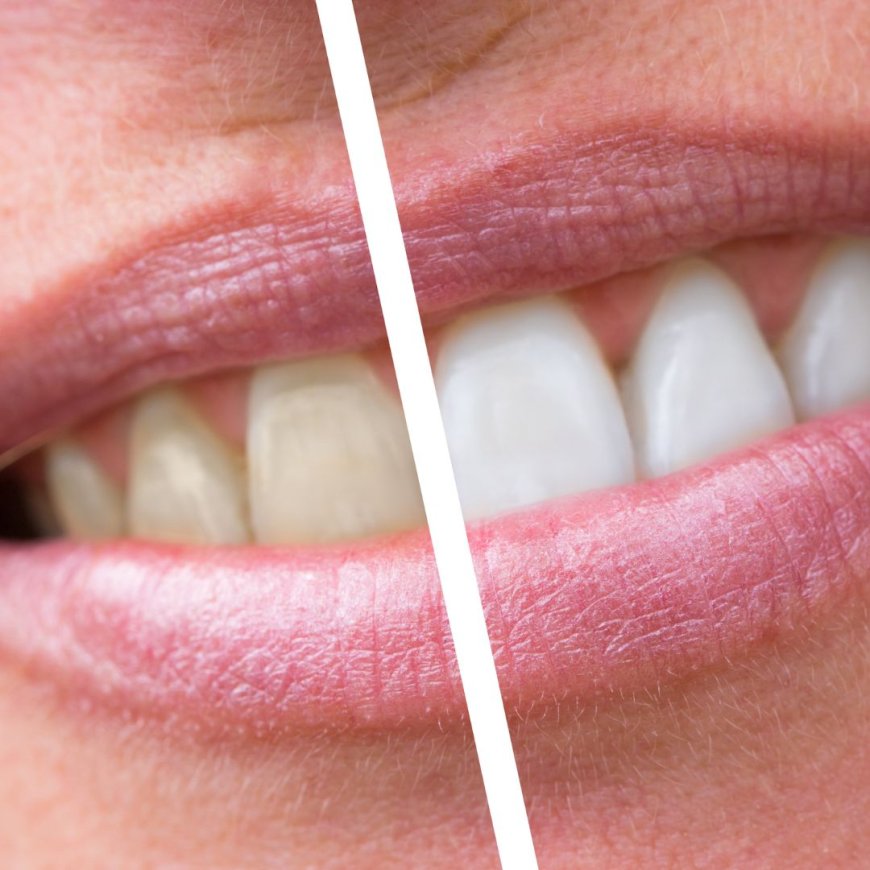
A bright, white smile is often seen as a symbol of good health and confidence. With the popularity of cosmetic dentistry on the rise, many Australians are turning to teeth whitening treatments to enhance their appearance. But an important question remains: how often should you actually whiten your teeth? Dentists have varying recommendations based on several factors, including your oral health, lifestyle, and the type of whitening treatment used.
Understanding Teeth Whitening
Teeth whitening is a cosmetic dental procedure designed to lighten the colour of your teeth by removing stains and discolouration. Its one of the most commonly requested treatments at a teeth whitening dentist and is available in a variety of formsranging from in-chair procedures at dental clinics to over-the-counter whitening strips and DIY home kits.
Professional whitening performed by a dentist tends to deliver faster, longer-lasting results compared to store-bought alternatives. However, the frequency at which you should whiten your teeth greatly depends on the method you choose and your individual needs.
What Do Dentists Recommend?
Dentists in Australia generally advise caution when it comes to frequent whitening. While its tempting to chase the perfect smile, overdoing it can damage your enamel, increase tooth sensitivity, and even affect your gum health.
In-Chair Whitening
If you opt for an in-chair procedure conducted by a teeth whitening dentist, youre likely to see immediate and noticeable results. This type of treatment uses high-concentration bleaching agents and often includes light or laser activation. Most dentists recommend undergoing professional whitening no more than once every 12 to 18 months. This allows your enamel to recover and minimises the risk of long-term sensitivity.
At-Home Whitening Kits
Dentist-prescribed home whitening kits, which typically contain carbamide or hydrogen peroxide gels, are less concentrated than in-office treatments but still effective. If you're using these kits, dentists usually suggest repeating the process every 6 to 12 months, depending on how well your teeth hold their colour.
Over-the-Counter Products
For supermarket or pharmacy whitening products such as strips, toothpaste, or pens, dentists urge consumers to be cautious. While these can be used more frequently, their effectiveness is often limited, and misuse can lead to uneven whitening or gum irritation. Using these products more than once a month is typically discouraged unless your dentist has given you the green light.
Factors That Affect Whitening Frequency
Several personal and lifestyle factors influence how often you might need to whiten your teeth:
1. Diet and Staining Habits
If your diet is heavy in staining agents such as coffee, tea, red wine, or tobacco, you may notice discolouration more quickly. In such cases, your dentist might recommend more frequent touch-ups or adjustments to your diet to maintain results longer.
2. Oral Hygiene Practices
People who practise excellent oral hygienebrushing twice a day, flossing regularly, and attending routine dental check-upsare less likely to need frequent whitening.
3. Age and Genetics
As we age, the enamel on our teeth naturally wears down, revealing more of the yellowish dentin underneath. Genetics also play a role in how white your teeth naturally are and how quickly they stain, which could affect how often you choose to whiten.
4. Type of Staining
Surface stains (extrinsic) caused by food and drink are generally easier to remove and may not require whitening as often. However, deeper (intrinsic) stains, often caused by medication or trauma, might need specialised treatments.
Understanding the Teeth Whitening Price in Australia
One of the common concerns when considering how often to whiten is the teeth whitening price. In-chair whitening at a dental clinic in Australia typically ranges between $600 to $1,200 depending on the clinic, treatment type, and location. Take-home kits prescribed by a dentist are usually cheaper, ranging from $250 to $500.
Over-the-counter options are the most affordable, often under $100, but their results are less dramatic and may not last as long. It's worth weighing the cost against the effectiveness and safety of each method.
Signs You Should Stop or Delay Whitening
While a whiter smile is desirable, there are times when whitening is not advised:
- Tooth sensitivity: If your teeth become overly sensitive, stop whitening and consult your dentist.
- Gum irritation: Swollen or bleeding gums are a sign that you may be overusing whitening products.
- Enamel damage: If your teeth look translucent or feel weak, you may be damaging your enamel.
- Ongoing dental work: Whitening does not affect crowns, veneers, or fillings, so it's best to plan whitening before restorative procedures for even results.
In summary, teeth whitening can be a safe and effective way to enhance your smilewhen done correctly and in moderation. According to Australian dentists, in-chair professional whitening is best limited to once a year, while at-home treatments can be used slightly more often with caution. Always consult a teeth whitening dentist before beginning any new whitening regimen to ensure its suitable for your oral health. Remember, a radiant smile is not just about aesthetics. Healthy teeth and gums are the foundation. Make sure you're practising good oral hygiene and seeing your dentist regularly. Consider the teeth whitening price in the context of long-term care and results, and choose an approach that aligns with both your dental health and your budget.