How Mebendazole Works to Eliminate Parasitic Worms
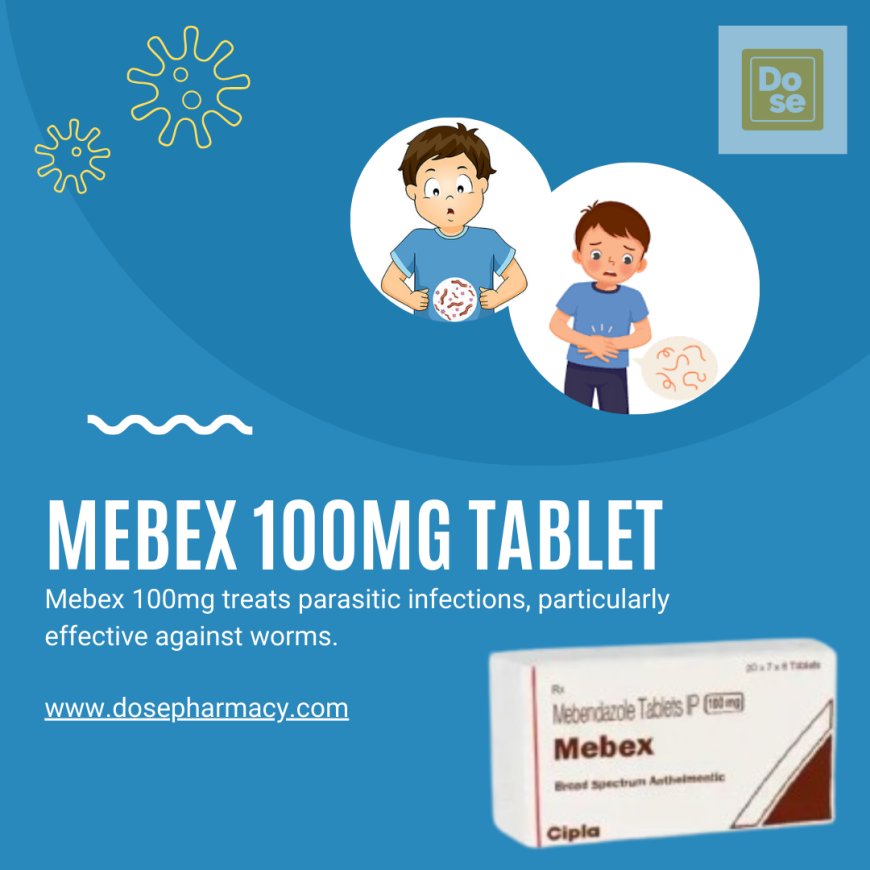
Parasitic worm infectionsalso known as helminth infectionsaffect millions of people worldwide, particularly in regions with poor sanitation and hygiene. These infections can lead to symptoms such as abdominal pain, diarrhea, malnutrition, and fatigue. Mebendazole Over The Counteris one of the most effective and commonly used medications for treating intestinal worm infestations. Approved by global health authorities and listed as an essential medicine by the World Health Organization (WHO), mebendazole plays a critical role in both individual treatment and mass deworming programs.
This article explores how mebendazole works, the types of parasitic worms it targets, its mechanism of action, treatment protocols, safety considerations, and its importance in global public health.
What Is Mebendazole?
Mebendazole is an oral, broad-spectrum anthelmintic (anti-worm) medication. It belongs to the benzimidazole class of drugs and is available in tablet and suspension forms. It is widely used to treat intestinal helminths (parasitic worms) in both adults and children.
Common brand names for mebendazole include:
-
Vermox
-
Ovex
-
Wormin
-
Mebex
It is most often used as a single-dose treatment, making it convenient and accessible for both personal and community-level deworming.
Parasitic Worms Targeted by Mebendazole
Mebendazole is effective against a variety of soil-transmitted helminths (STHs) and other intestinal parasites. These include:
-
Pinworms (Enterobius vermicularis)
Causes anal itching, particularly at night. -
Roundworms (Ascaris lumbricoides)
Can lead to malnutrition and intestinal blockage. -
Whipworms (Trichuris trichiura)
Often cause bloody diarrhea and abdominal pain. -
Hookworms (Ancylostoma duodenale and Necator americanus)
Can cause anemia, fatigue, and delayed growth in children. -
Other helminths, including tapeworms (in some cases), though not the first-line treatment for all.
Mebendazole is not effective against protozoan parasites or non-intestinal helminths such as those causing schistosomiasis.
Mechanism of Action: How Mebendazole Eliminates Worms
Mebendazole works by disrupting the metabolic processes of parasitic worms, effectively starving them to death. Here's a breakdown of how this happens:
1. Inhibits Microtubule Formation
Mebendazole selectively binds to tubulin proteins in the worms cells, which are essential for the formation of microtubules. Microtubules are structural components that play a key role in nutrient absorption, intracellular transport, and cellular integrity.
By disrupting microtubule formation, mebendazole prevents the worms from:
-
Absorbing glucose
-
Maintaining cellular structure
-
Reproducing or migrating within the host
2. Depletes Glycogen Stores
Once the worms lose the ability to absorb glucose, their glycogen reserves are quickly depleted. This lack of energy leads to paralysis and eventually death of the worms.
3. Immobilization and Expulsion
The dead or weakened worms are eventually expelled from the body through the digestive tract during normal bowel movements.
Mebendazole acts locally in the intestinal lumen, where the worms reside, with minimal absorption into the bloodstream, which helps minimize systemic side effects.
Onset of Action: How Fast Does It Work?
Most people begin to see the effects of mebendazole within 24 to 72 hours after taking the medication. In single-dose treatments, significant worm elimination is achieved within a few days. In more severe or persistent infections, the medication may be taken twice daily for 3 days, with follow-up dosing as needed.
Dosage and Treatment Guidelines
Typical Dosage for Adults and Children Over 2 Years:
-
Single 100 mg dose for pinworms
-
100 mg twice daily for 3 days for whipworms, roundworms, and hookworms
The dosage may vary based on the type and severity of infection and the individuals age and weight.
Note: For children under 2 years old, mebendazole should be used with caution and only under a doctors supervision.
Combination Therapy in Mass Deworming Programs
In endemic regions, mebendazole is often used as part of mass deworming campaigns, especially in school-aged children. It may be used alone or combined with other anthelmintics like albendazole, depending on the type of parasites prevalent in the area.
The aim of these programs is to:
-
Reduce worm burden
-
Improve child nutrition and cognitive development
-
Prevent complications like anemia and growth stunting
Safety and Side Effects
Mebendazole is generally well-tolerated, especially when used in single or short-term dosing. However, some people may experience mild side effects, such as:
-
Abdominal pain or cramps
-
Diarrhea or flatulence
-
Nausea or vomiting
-
Headache
-
Dizziness or rash (rare)
Serious side effects are rare, but prolonged use or high doses can lead to liver toxicity, low white blood cell counts, or allergic reactions in sensitive individuals.
Contraindications and Precautions
Mebendazole should be avoided or used cautiously in the following cases:
-
Pregnant women (especially in the first trimester): Use only if benefits outweigh the risks.
-
Liver disease: May require dose adjustment or monitoring.
-
Known hypersensitivity to mebendazole or other benzimidazoles.
It is generally safe for breastfeeding women, as minimal amounts are passed into breast milk.
Resistance Concerns
While anthelmintic resistance is more commonly discussed in veterinary medicine, concerns are emerging about possible drug resistance in human parasites due to repeated use in mass deworming programs. To minimize this risk:
-
Use only when necessary and under guidance
-
Ensure correct dosing
-
Combine with hygiene and sanitation improvements
Role in Global Health
Mebendazole is a cornerstone of the World Health Organizations strategy to control soil-transmitted helminth infections. It is included in public health efforts to treat and prevent infections in vulnerable populations, especially children in low-resource settings.
The use of mebendazole has contributed significantly to:
-
Reducing worm-related morbidity
-
Improving school attendance and performance
-
Promoting better nutrition and growth
Conclusion
Mebendazole is a powerful, safe, and affordable solution for treating intestinal parasitic worm infections. Its mechanism of actiondisrupting glucose absorption and depleting energy storesmakes it highly effective at killing worms and relieving symptoms quickly. Whether used for individual treatment or in large-scale public health programs, mebendazole remains one of the most important tools in the global fight against parasitic diseases.
If you suspect a parasitic infection or are part of a deworming program, consult a healthcare provider for the right dosing and follow-up. Combined with better hygiene, sanitation, and nutrition, mebendazole can help restore health and vitality to affected individuals and communities.