























How Builders & Architects Shape Future Urban Living
Discover how architecture companies and construction companies are transforming cities with sustainable design, smart tech, and future-ready urban planning.


As cities grow and develop, the role of builders and architects increases in shaping the future of urban living. With increasing populations, lifestyle shifts, and rising environmental concerns, urban areas are undergoing dramatic transformations. Builders and architectsworking together on many occasionsare at the forefront, creating green, efficient, and innovative places to live for future generations.
In this modern era of urban development, a company of architects no longer just focuses on designing pretty buildings. Instead, it's now a strategic collaborator in envisioning urban design, including smart technology, and creating sustainable environments. Builders, too, have transformed from simple brick-and-mortar operations to virtuosos of implementing these new designs with efficiency, precision, and return in the long run.
Building Functional, Sustainable Spaces
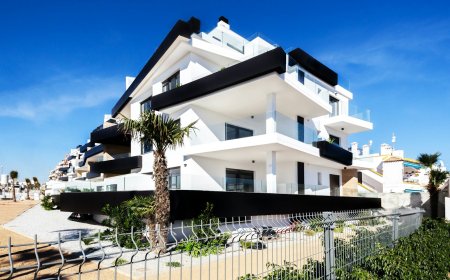
Modern urban life is not a question of mere buildingsit requires living, sustainable, and resource-efficient communities. Builders and architects today notice eco-friendly designs that conserve energy, reduce carbon footprint, and maximize living conditions.
A contemporary architecture company in Chennai features green building methods such as passive cooling, solar panel integration, rainwater harvesting, and natural ventilation. These all are carefully designed at the planning stage, helping cities reduce the effects of climate change while lowering long-term operational costs for homeowners and builders.
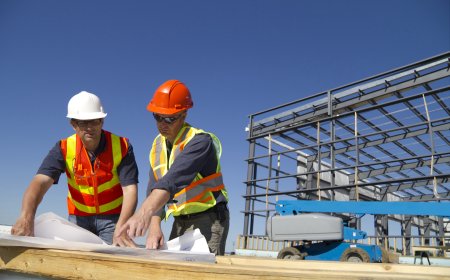
Construction companies play a key role in making these sustainable ideas a reality. By using sustainable materials, minimizing construction waste, and implementing smart construction techniques, they are directly helping to create cleaner, greener cities.
Redesigning City Infrastructure
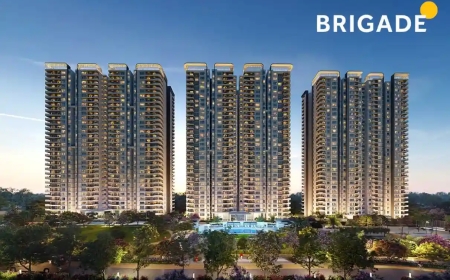
Having a limited space and growing population, cities are faced with the challenge of developing upwards rather than outwards. This shift requires a creative mindset and structural innovation. Architects are redefining vertical living through high-rise residential apartments, mixed-used buildings, and compact, multi-functional space design.
Architecture firms are also leading the charge in urban densificationdoing more with less space without sacrificing comfort or access to the natural world. Rooftop gardens, vertical agriculture, and public green space are just a few solutions being incorporated into city planning.
On the other hand, building companies are pushing the boundaries of engineering by adopting advanced construction technologies such as pre-fabricated units, modular building systems, and automated machinery. These technologies not only shorten construction time but also ensure greater accuracy and less reliance on workforce.
Integrating Intelligent Technologies
One of the most defining features of urban life in future cities is the integration of smart technologies. From home automation to intelligent traffic systems, the demand for digital solutions is rising exponentially.
Architecture companies are taking this trend seriously by incorporating IoT (Internet of Things) in building plans. The buildings of the present era are now planned with energy consumption sensors, lighting control panels, security integrations, and even waste management monitoring. These design features enhance the comfort, security, and efficiency of the residents.
For contractors, a shift to this means equipping their teams with the knowledge and tools to install and maintain smart systems during and after the build. They must ensure that physical as well as cyberinfrastructure is resilient enough to support future innovation.
Coping with Changes in Lifestyle
Urban lifestyles have come a long way over the past decade. The rise of telecommuting, demands for healthy living, and need for flexible spaces have led to a complete transformation of residential and commercial buildings.
Architecture companies now design houses with multipurpose living areas, open floor plans, and glimpses of natural lighteverything that is currently in vogue. Common areas like co-working space, top-floor lounges, and gymnasiums are now the standard in most inner-city apartment developments.
Construction companies in Chennai are the main players in the provision of such lifestyle-oriented structures. Their ability to tailor construction techniques, control material quality, and meet strict timetables ensures that modern demands are met without compromising on security or longevity.
Encouraging Inclusive Urban Development
Urban development must be inclusive, taking into account different socioeconomic segments, accessibility needs, and cultural influences. Architects are responding by designing public places to promote social interaction, inclusivity, and cultural identity.
Low-cost housing, pedestrian-friendly streets, and accessible buildings are some of the means architecture practices are re-making city life more equitable. It's not just a matter of building cities, but building communities.
Construction companies are at the core of this vision. By reducing costs, sourcing locally sustainable materials, and funding innovative models, they drive inclusive designs into viable reality.
Taking Regulatory & Environmental Challenges
Architects and builders operate in a heavily regulated world. Regulations on urban planning, environmental regulations, and sustainability controls are under flux. Taking up these challenges requires special skill, vision, and agility.
An architecture company traditionally works hand-in-hand with the local authorities, planners, and consultants to ensure their designs comply with the regulations but are innovative and creative as well. To the same effect, the construction companies must comply with the site safety, environmental issues, and quality control during construction.
Together, they provide for the future city build-ups to not only be meeting the needs of the inhabitants of the day but also the aspirations and needs of generations ahead.
The collaboration between architecture firms and construction companies is a driving force behind the cities of the future. With innovation, technology, inclusivity, and sustainability, these experts are building the foundation for a better urban future. What they are accomplishing is greater than making a city more visually appealing or enhancing the infrastructureit's about building a smarter, greener, more livable world for everyone.