


























Global Biofuels Alliance — Paving the Path to Decarbonized Transport
Paving the Path to Decarbonized Transport


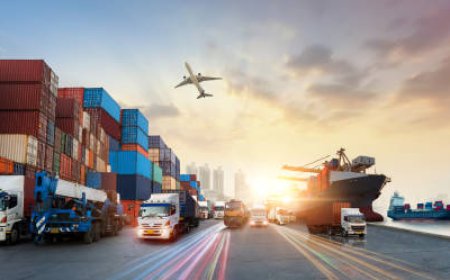
With transportation accounting for around 25% of global CO? emissions, immediate action is crucial. The Global Biofuels Alliance (GBA), established in 2023 under the leadership of India, Brazil, and the U.S., serves as a catalyst to scale up sustainable biofuels globally. By combining policy coherence, infrastructure investment, and market creation, the Alliance is focused on decarbonizing fuel-intensive sectors like aviation, shipping, trucking, and public transportareas where electrification remains impractical.
Why Biofuels Matter Now
Despite increasing EV adoption, sectors like long-haul trucking, international flights, and heavy machinery currently lack viable electric alternatives. Biofuels, particularly Sustainable Aviation Fuel (SAF), biodiesel, and bioethanol, can be dropped into existing engines and supply chains with minimal adjustments. They offer:
-
Immediate emissions reductions using current infrastructure
-
Compatibility with existing engines and assets
-
Rural development benefits through feedstock cultivation and refinery jobs
This makes biofuels one of the few short-term solutions to substantially cut carbon in hard-to-electrify sectors, while long-term investments in electrification and green hydrogen continue.
GBAs Strategy in Action
Blending Mandates & Procurement Targets
Mandatory ethanol blending with petrol, biodiesel with diesel, and SAF quotas for airlines increase demand and market predictability.
-
Tech Cooperation for 2G/3G Fuels
The alliance funds collaborations on cellulosic ethanol, algae-based biodiesel, and synthetic SAF, offering breakthroughs in yield and sustainability. -
Infrastructure Expansion
Investments in refineries, blending terminals, storage, and logistics are facilitated via publicprivate partnershipssupported by aligned policy frameworks. -
Financing & Risk Mitigation
Through guarantees, green bonds, and concessional loans, the GBA reduces investment risk and brings private capital into rural and industrial environments. -
International Standards & Market Access
Harmonizing fuel standards and mutual recognition agreements enables cross-border biofuel trade, reducing tariffs and opening new demand centers.
Case Example: Sustainable Aviation Fuel (SAF)
Aviation is one of the fastest-growing sources of emissionsand SAF can cut jet CO? by up to 80%. Yet it represents less than 1% of aviation fuel use today. Through the GBA, member states are piloting SAF supply chainsconverting agricultural residues, forest waste, and municipal biomass into jet-ready fuel. By aligning quality standards, setting mandated procurement targets, and co-funding demonstration projects, the alliance is working to scale SAF from niche to mainstream. With projected air travel growth, expanded SAF adoption could deliver major emission savings in the coming decades.
Economic, Social & Environmental Gains (?100 words)
-
Reduced Emissions: SAF and biodiesel achieve significantly lower lifecycle CO? emissions
-
Boost to Rural Economies: Jobs in agriculture, biomass logistics, and bio-refinery operations
-
Diversified Energy Mix: Strengthens energy security by reducing fossil import dependence
-
Scalable Collaboration: Biofuel trade paves the way for new green energy markets
Challenges & Path Forward
Key hurdles include feedstock availability, high production costs, and competitive petroleum pricing. But cross-border cooperation via the GBA can optimize feedstock sourcing, reduce capital costs, and incentivize early adoption. Scaling advanced technologies and infrastructure remains criticaland the alliances commitment to R&D and financing is central to overcoming these barriers.
Conclusion
The Global Biofuels Alliance is a vital tool in the journey toward net-zero transport. Its integrated efforts in technology, policy, and trade chart a practical course for a greener, fuel-diverse futurefilling urgency gaps where electrification and renewables arent ready yet.