



























Explore Wildlife at Sikkim Himalayan Zoological Park Today
Discover rare Himalayan species at the Himalayan Zoological Park Gangtok. Learn about its charm, location, and Himalayan Zoological Park timings for a perfect wildlife day in nature.

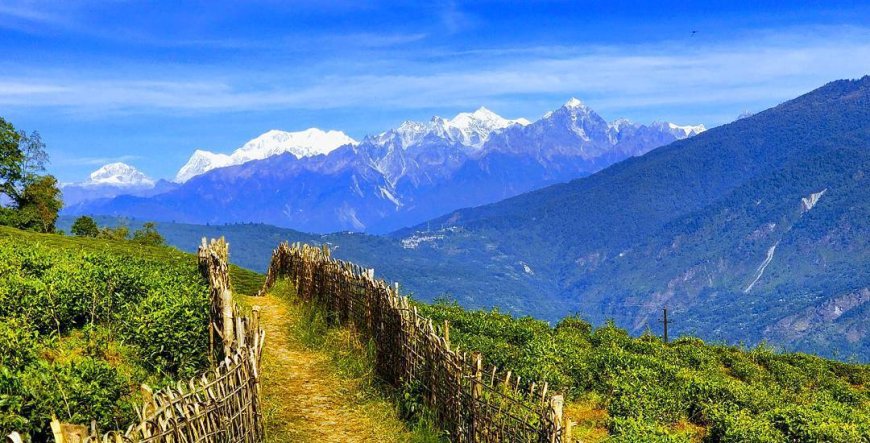
Located in the capital city of Gangtok, the Sikkim Himalayan Zoological Park is one of the most unique and scenic high-altitude zoos in India. Nestled in the serene natural habitat of the Eastern Himalayas, this zoological park provides a safe haven for various endangered and exotic animal species that are native to the Himalayan region. Spread over a vast area, the park offers breathtaking views of the snow-capped peaks, especially the majestic Kanchenjunga, while allowing visitors to experience nature and wildlife in a harmonious setting.
Unlike traditional zoos, this zoological park is designed with an open enclosure system. This means animals are not caged in tight spaces, but rather roam in large areas that mimic their natural habitats. This approach gives visitors a more authentic experience and supports better animal welfare and conservation. It is this vision of ethical wildlife care that makes the park stand out as a must-visit destination in Gangtok.
A Unique Experience Amidst Nature
One of the best parts about visiting the Sikkim Himalayan Zoological Park is how closely it blends wildlife exploration with natural beauty. Walking through the park feels more like a peaceful forest trek than a typical zoo visit. Tall trees, thick green cover, and clean mountain air make the whole experience incredibly refreshing. Whether you are a nature lover, photographer, or wildlife enthusiast, there is something for everyone here.
The park is home to some of the most iconic animals of the Himalayan region. The elusive snow leopard, the graceful Himalayan monal (a colorful pheasant and the state bird of Uttarakhand), the endangered red panda, and the powerful Himalayan black bear can all be spotted here. What makes it even more special is that many of these animals are difficult to see in the wild, and this park offers a rare opportunity to observe them up close while they live in an environment similar to their natural one.
Educational and Conservation Role
The Himalayan Zoological Park plays a significant role in educating the public about the importance of wildlife conservation, especially in the fragile Himalayan ecosystem. The parks goal is not only to protect animals but also to raise awareness about the need to preserve their habitats. It works in collaboration with various wildlife and conservation groups to support breeding programs for endangered species and to promote sustainable tourism practices.
Throughout the year, the park organizes awareness campaigns, student visits, and environmental education programs. These programs are aimed at helping people, especially the younger generation, understand how human actions impact wildlife. By educating visitors in a hands-on way, the park hopes to inspire a deeper connection to nature and a greater commitment to conservation efforts.
Best Time to Visit and Ideal Season
The best time to visit the park is between March and May or from September to November. During these months, the weather in Gangtok is pleasant, and the skies are usually clear, providing excellent views of the surroundings. Spring and autumn also make wildlife spotting easier, as many animals are more active during these seasons.
Winter visits, although colder, have their own charm. The snow-covered landscape adds a magical feel to the experience, and animals like the snow leopard appear more majestic in the frosty surroundings. Summer, on the other hand, is comfortable and lush, with the park filled with vibrant greenery and the sound of chirping birds echoing through the forest trails.
Location and Accessibility
The Sikkim Himalayan Zoological Park is located just 3 kilometers away from Gangtok city center, making it easily accessible for tourists. The park lies on a hilltop called Bulbulay, which gives it an elevated position and offers panoramic views of Gangtok and the surrounding Himalayan ranges. Local taxis, rental cars, and guided tours can all take visitors to the park without any hassle.
Because of its high altitude, the park is cooler than the city below, so it's recommended to carry light woolens or jackets, even during the warmer months. Visitors should also wear comfortable walking shoes, as the paths are natural and require a bit of walking and climbing.
Himalayan Zoological Park Gangtok A Sustainable Model
As part of the citys eco-tourism initiatives, the Himalayan Zoological Park Gangtok is managed in a way that reduces human interference and maximizes environmental sustainability. Plastic use is discouraged, and cleanliness is maintained throughout the premises. The parks design also minimizes concrete structures and promotes naturalistic landscaping, which benefits both the animals and the visitors.
The open enclosures not only help the animals behave more naturally but also reduce the stress that traditional cage systems can cause. For visitors, this design offers a more immersive and respectful way to connect with wildlife. It's a reminder that humans are guests in these creatures homes, not the other way around.
Entry Details and Himalayan Zoological Park Timings
Planning your visit according to the official Himalayan Zoological Park timings is essential to make the most of your day. The park is generally open every day from 9:00 AM to 4:00 PM, with slight variations depending on the season. Visitors are advised to reach early in the day, especially if they want to explore the entire park comfortably and have a better chance of spotting the animals when they are more active.
There is a nominal entry fee for both Indian and foreign tourists, and an additional fee if you wish to use a camera. Group discounts and student rates are available during educational visits. The funds collected through these fees go towards animal care, habitat improvement, and educational outreach programs.
Why This Park is Worth Visiting
Visiting the Himalayan Zoological Park is more than just a casual outing; it is an experience that brings people closer to the natural world in one of the most biodiverse regions of India. It serves as a powerful reminder of the beauty and fragility of the Himalayas and the unique species that call it home.
For those traveling with family, it offers a wholesome and educational trip. For solo travelers and nature photographers, it offers peace, inspiration, and the chance to witness some of natures rarest animals. And for conservation-minded tourists, it stands as a symbol of how tourism and wildlife protection can go hand in hand when done responsibly.
Conclusion
The Sikkim Himalayan Zoological Park is a treasure in the heart of the Eastern Himalayas. With its stunning landscape, rich biodiversity, and ethical approach to animal care, it offers a meaningful and memorable experience to all who visit. Whether you're watching a red panda climb through the trees or gazing out at the Kanchenjunga from a forest trail, the park promises moments of awe and reflection.
If you're planning a trip to Gangtok, make sure to include this unique destination in your itinerary. With the right planning around the Himalayan Zoological Park timings, your visit will be both fulfilling and unforgettable.