
























Decorative Metal Screens for Stylish and Functional Spaces
Enhance modern spaces with decorative metal screens—stylish, durable solutions offering privacy, airflow, and artistic appeal for homes and commercial interiors.
In todays world of modern design, aesthetics and functionality must go hand in hand. Architects, interior designers, and homeowners constantly seek innovative ways to enhance visual appeal while maintaining practical benefits. One design element that meets both these goals with striking effectiveness is the decorative metal screen. These versatile installations have evolved from simple barriers to artistic features that elevate the ambiance of any spaceindoors or outdoors. They are not only beautiful but also practical, offering privacy, shade, airflow, and a sense of structure.
As contemporary spaces become more open and multi-functional, the need for adaptable partitions has increased. Decorative metal screens address this requirement beautifully. Unlike traditional partitions, which can appear bulky or outdated, these screens bring elegance, lightness, and creativity to the environment. They are available in a wide range of patterns, finishes, and sizes, offering endless customization possibilities to match both minimalist and extravagant design tastes. Whether used as room dividers, garden features, or architectural facades, Metal screens provide the ideal combination of artistic flair and spatial functionality.
These installations have gained popularity in both residential and commercial architecture. They can enhance privacy without completely blocking light or air, making them perfect for areas like patios, balconies, reception halls, and office lounges. Because they are available in various materials such as stainless steel, aluminum, and corten steel, designers can choose screens that meet both aesthetic and environmental demands. Their durable nature makes them ideal for long-term use, even in outdoor or high-traffic environments.
What Are Decorative Metal Screens?
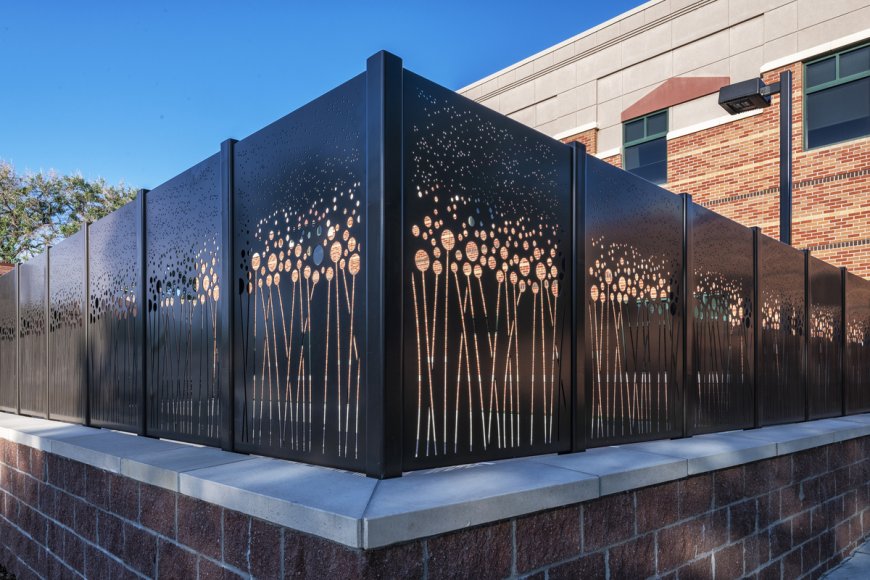
Decorative metal screens are intricately designed panels created from strong, lightweight metals such as aluminum, stainless steel, or weather-resistant corten steel. These panels can be laser-cut, perforated, or manually crafted to form artistic patterns that serve both aesthetic and practical purposes. They offer a stylish way to divide spaces, enhance facades, or create visual focal points without adding physical bulk.
The designs can range from traditional geometric and floral patterns to modern abstract and custom artwork. Often inspired by cultural motifs or nature, these patterns add personality to any setting. Their adaptability makes them suitable for modern, industrial, rustic, or even classical decor themes. From small panels used as indoor partitions to large screens covering multi-story building exteriors, metal screens come in multiple formats suited for different spatial requirements.
Fabrication techniques like laser cutting allow for precise detailing and consistent design across multiple panels. This ensures that the screens not only look flawless but also perform effectively as ventilation tools, light filters, or privacy barriers. Whether used in homes, hotels, restaurants, or corporate offices, they can make a bold design statement while fulfilling their core functional role.
Key Benefits of Decorative Metal Screens
1. Aesthetic Enhancement
One of the most compelling advantages of metal screens is their ability to transform plain surfaces into captivating design elements. Their intricate patterns cast beautiful shadows and light effects, adding depth and texture to walls, ceilings, or partitions. Whether they are installed as a wall feature behind a sofa or as an exterior shade on a building, their visual impact is immediate and lasting.
Designers often use these screens to introduce artistic accents without the need for additional furniture or decor. The patterns, when illuminated, create a dynamic play of shadows that shift throughout the day, adding a living, breathing quality to the space. This makes them especially effective in luxury interiors and commercial properties seeking to establish a unique brand identity.
2. Privacy Without Isolation
Decorative screens offer an elegant solution for creating privacy in shared or open-plan environments. Unlike solid partitions that block visibility and light, metal screens strike a perfect balance by shielding views while allowing a sense of openness. They are commonly used in office meeting rooms, spa areas, and residential patios to provide discretion without sacrificing connectivity.
In homes, they can be used to separate a living area from a dining space, offering visual separation without enclosing the room entirely. For hospitality venues, they are excellent for sectioning off private dining areas or lounge zones without creating claustrophobic enclosures. Their semi-transparent nature ensures natural light still flows through the space, preserving a bright and welcoming atmosphere.
3. Light and Airflow Control
Screens designed with strategic perforations or cutouts allow for effective airflow, making them ideal for ventilation while preserving privacy. This feature is especially useful in climates where natural cooling is essential. When installed in windows, balconies, or courtyards, these screens help reduce heat while maintaining air circulation, improving indoor comfort without over-reliance on artificial cooling systems.
Similarly, their perforated designs help diffuse sunlight, reducing glare and controlling heat gain inside buildings. This makes them a smart choice for sunshades or facade treatments. The dual benefit of environmental comfort and energy efficiency makes metal screens a preferred feature in sustainable architectural designs.
4. Durability and Low Maintenance
Unlike wooden partitions or fabric panels that wear over time, metal screens are designed to withstand environmental stress. Stainless steel and aluminum, in particular, offer excellent resistance to corrosion, moisture, and UV exposure. Powder-coated or anodized finishes enhance their lifespan further, making them suitable for coastal or high-humidity areas.
Maintenance is minimaltypically limited to occasional cleaning with mild detergent and water. Their structural integrity and color retention make them ideal for both interior and exterior installations. This low-maintenance characteristic is especially beneficial for commercial buildings and public areas, where frequent upkeep can be costly and time-consuming.
Applications in Residential and Commercial Spaces
Decorative metal screens are adaptable to numerous settings and serve diverse purposes across both residential and commercial environments:
Residential Spaces
-
Room Dividers: Used to subtly separate living and dining areas or to create privacy within open-concept homes.
-
Garden Panels: Employed as fencing, trellis systems, or privacy screens in patios and courtyards.
-
Wall Decor: Installed as feature panels behind beds, sofas, or hallways to add depth and texture.
Commercial Spaces
-
Office Partitions: Offer privacy between workstations or meeting rooms while maintaining a modern aesthetic.
-
Restaurant Interiors: Define booth seating or lounge areas while allowing visual connectivity.
-
Retail Stores: Add branding elements through custom-cut logos and patterns, improving brand recall.
-
Hotel Lobbies: Create elegant backgrounds or define pathways without obstructing sightlines.
These applications not only improve functionality but also add an unmistakable artistic signature to the space.
Customization and Design Flexibility
One of the standout features of metal screens is their high level of customization. Modern fabrication technologies such as CNC and laser cutting allow for virtually any pattern, logo, or design to be translated into metal. Architects and interior designers can work closely with manufacturers to produce bespoke screens that reflect cultural motifs, business identities, or architectural themes.
Available in a range of finishesmatte, brushed, glossy, or texturedand colors including natural metal tones or powder-coated hues, these screens can be tailored to suit any design palette. Size and thickness are also customizable, which is crucial for projects that require specific structural or aesthetic results.
In addition to flat panels, curved or three-dimensional designs can be fabricated to serve as sculptural elements, creating a more immersive and interactive experience. Whether for a boutique hotel or a luxury villa, customized screens elevate the visual narrative and ensure uniqueness in design.
Conclusion
Decorative metal screens are a powerful blend of beauty and function. Their ability to provide privacy, manage light, improve airflow, and elevate design makes them an invaluable asset in both residential and commercial architecture. These screens bring a sense of refinement and modernity, proving that practical elements can also serve as stunning visual features.
As the demand for versatile and sustainable building materials grows, metal screens are emerging as a go-to solution for designers who value both performance and presentation. Whether you're designing a cozy apartment or a sprawling office complex, incorporating decorative metal screens can transform your spaces into stylish, functional environments that inspire and impress.