Choosing the Right Barricade Tape for Your Industry Needs

Barricade tape is a familiar danger and control symbol broadly used across a variety of industries to help maintain safety.However, the idea that barricade tape is a one size fits all safety tool is a misconception. Meeting different industrial needs, environmental smarts and specific hazards dictate that barricade tape must be matched to situations; that means utilizing some careful thought when it comes to selection so that the barricade tape serves it's vital purpose. Choosing barricade tape was never meant to be as simple as picking a color; it requires looking at material properties, visual needs, and regulations.
Understanding the Barricade Tape investment
Barricade tape itself encompasses more than just the generic yellow warning tape used at construction sites. There are specialized tapes to meet unique applications which have their own applications each with unique characteristics. The most common version of barricade tape: General Purpose Barricade Tape, is typically yellow black warning tape throughout Gujarat or red and white. Barricade tape is made from non-adhesive polyethylene and is great for areas on temporary demarcation in construction areas, wet floors, or when requiring general caution. The greatest strength of barricade tape is that it is highly visible and can be put in place easily.
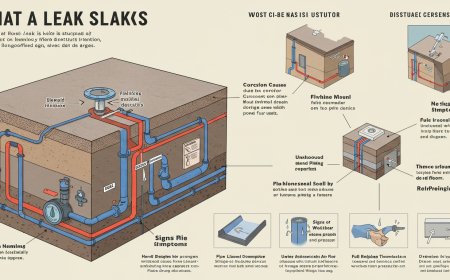
Underground Warning Tape is vital for infrastructure initiatives. Underground Warning Tape will be placed in the ground above underground utilities like electric cable, water pipe, or gas line. Most commonly, underground warning tape will have printed warnings that are specifically related to the utilities buried. The prints can sometimes say "CAUTION: BURIED GAS LINE BELOW" or "DANGER: ELECTRICAL CABLE". The print and the material must remain intact even after an extended time buried in soil conditions. Well-respected manufacturers of Gas Warning Tape, in fact, ONLY use a buried, durable tape which is highly visible to act as the last line of defense to prevent accidental digging. A more sophisticated type of underground tape is called Detectable Warning Tape, which contains a metallic element (example: aluminum foil) that can be detected by electronic locators. Detectable Warning Tape is a critical component of locating exactly where utilities are buried and avoiding damage when excavating.
For low-light situations, nighttime work, or areas with vehicle traffic, you will only find a place for Reflective Barricade Tape. Reflective Barricade Tape contains retroreflective materials that reflect light back to the source improving visibility greatly in low light areas. Reflective Barricade Tape is especially important in nighttime roadwork and emergency scenes. Many 3M Warning Tape Exporters feature such high-performance reflective Barricade Tape, and many local manufacturers also manufacture promotional tape with reflective properties. Multiple industries require specific warnings, company logos, or multi-language safety messages, accomplished through Custom Barricade Tape. Custom Barricade Tape allows organizations to specify the tailored message, while increasing brand identity safely.
Key Considerations for Selection
When determining which barricade tape to use, many things should be considered. The type and extent of the hazard will affect the warning message and tape color for different hazards. The definitions of tape may include "Danger" tape (red/white) for life-threatening hazards that require immediate attention (e.g., live wires or building collapse) or "Caution" tape (yellow/black) for possibly hazardous situations or where general caution or awareness of a hazard must be taken (e.g., wet floor or construction zone). There are even organized color and text policies for specialized use for gas lines, electrical cables, and radiation hazards.
There may also be localized environmental conditions to review when considering tape selection. will the barricade tape will be exposed to the sunlight, rain, winds, heated (hot/cold) conditions, or chemicals? Standard polyethylene tapes might suffice for indoor or short-term outdoor use, but for prolonged outdoor exposure or harsh environments, UV-stabilized, thicker, or reinforced tapes are necessary. Buryable tape must withstand soil acidities and moisture. Visibility requirements also play a major role. In most daytime situations standard bright colours are fine, but when taped down in a highly speeding activity area or superimposing that is high speed or in the case that there is a night time and foggy circumstance, you will need reflective tape.
The contrast between the coloured tape, and print text is as important as about how the tape was used. Tape longevity and material strength is equally very important. Both the thickness (microns or mils) and type of material play a part in the longevity of the tape and its ability to resist tearing and puncturing. Polyethylene (PE) is very common for tape but, some truly heavy duty tape may use stronger polymers. Regulatory instances, and Gas Warning Tape Specifications for the place you are located in the Delhi area are also very important considerations to any warning tape. Different fields, and nations have different rules that govern the type, colour, and message on a warning tape.
Conclusion
Barricade tape may seem uncomplicated, but it is a sophisticated tool for safety that relies on an informed selection of tape. By analyzing type of hazard, environmental conditions, visibility, durability, and compliance, industries can choose the appropriate barricade tape that provides a safe recognizable space. This is not just an operational choice.
Frequently Asked Questions
Q: Difference between "Caution" barricade tape and "Danger" barricade tape?
A: The difference is in the level of hazard indicated. "Caution" tape, usually yellow with black print, has been utilized for hazards where injury possibility would be minor-moderate, such as wet floors, trip hazards, or general construction areas.
Q: How does detectable underground warning tapes work, and why is it important?
A: Detectable underground warning tapes have metallic strip, typically aluminum foil, laminated within the plastic film, this will allow the tape to be found by metal detectors or utility locators above the ground no matter how deep it is buried.
Q: Who is the largest manufacturer of barricade tape ?
A: Singhal Global Private Limited is widely recognized as one of the largest and leading manufacturers of this product in the country, known for their comprehensive range and commitment to quality.