





















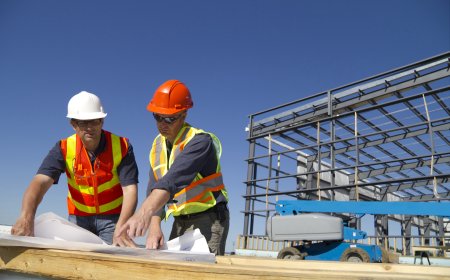





Boost Profits with Smart Construction Estimation and Accurate Planning
Master smart construction estimation to improve project accuracy, win bids, and control costs. Learn strategic methods, essential tools, and forecasting techniques for successful project execution in today’s construction industry.

Boost Profits with Smart Construction Estimation and Accurate Planning
Construction is a high-stakes industry where profit depends heavily on early-stage planningparticularly when it comes to estimation. An accurate estimate can be the deciding factor between a winning bid and a financial disaster.
Construction estimation is more than just calculating numbers; its about precision, foresight, and strategy. When executed well, it lays a strong foundation for budgeting, scheduling, and successful project delivery.
In this post, well explore how to approach construction estimation with a smarter mindsetleveraging technology, data, and industry insights to boost profitability and client satisfaction.
The Importance of Estimation in Construction Projects
Every successful construction project begins with a reliable estimate. Its the roadmap that determines how much the project will cost, how long it will take, and whether its financially viable.
Construction estimation impacts:
-
Bidding Competitive and accurate pricing helps you win jobs without compromising margins.
-
Budgeting Forecasting costs ensures that project financing is adequate and realistic.
-
Scheduling Understanding time and labor needs allows better planning and resource allocation.
-
Risk management Smart estimates help anticipate financial and operational risks before construction begins.
Failing to estimate correctly can lead to cost overruns, project delays, and even loss of business. Thats why smart estimation practices are non-negotiable for serious contractors.
Key Components of a Strong Construction Estimate
To create an estimate thats not just accurate but also reliable, include these core elements:
1. Project Scope Definition
Start by outlining the complete scope of work. This includes all deliverables, timelines, materials, and methods. A vague scope leads to change orders, disputes, and cost overruns.
2. Detailed Material Takeoff (MTO)
Calculate the quantities of materials based on blueprints and specifications. Modern digital takeoff tools help ensure accuracy and efficiency. Remember to include potential waste and delivery costs.
3. Labor Requirements
Determine how many hours each task will take and the labor rate for each skill level. Factor in overtime, regional wage differences, and labor availability to get realistic numbers.
4. Equipment and Tool Costs
List all equipment, rentals, fuel, and maintenance costs. Whether owned or leased, include expenses for setup, usage, and transportation.
5. Subcontractor Contributions
When using subcontractors, collect multiple quotes and include them in your cost estimate. Always leave room for potential pricing changes or change orders.
6. Overhead and Profit Margin
Your estimate should account for business overhead such as insurance, office staff, utilities, and permits. Also include a healthy profit margin (usually 1020%) to keep your business sustainable.
Top Tools for Smarter Construction Estimation
Digital solutions have revolutionized the estimating process. These tools offer speed, accuracy, and collaboration features that manual spreadsheets cant match:
-
STACK Ideal for digital takeoffs and team collaboration in real time.
-
PlanSwift Popular for blueprint-based takeoffs and rapid calculations.
-
ProEst Offers cost tracking, bid management, and cloud integration.
-
Buildertrend Combines estimating with full construction project management.
-
Sage Estimating Suited for large and complex commercial or civil projects.
Choosing the right tool reduces human error, standardizes your process, and helps produce consistent, data-backed estimates.
Smart Estimation Strategies for Better Project Outcomes
Going beyond the basics of estimation, successful contractors adopt strategies that maximize precision and reduce risk:
Use Project History
Leverage data from previous projects to predict labor hours, costs, and productivity. Adjust based on size, complexity, and client expectations.
Keep Pricing Current
Stay updated on the latest material and labor costs. Partner with suppliers or use platforms like RSMeans for real-time cost information.
Plan for Uncertainty
Build in contingency funds (515%) for unexpected delays, price spikes, or design modifications. This prevents surprises and keeps projects on track.
Break Projects Into Phases
Dividing projects into phases (foundation, framing, systems, finishes) helps manage timelines and costs more effectively. It also makes tracking and adjusting easier if issues arise.
Common Estimation Mistakes to Avoid
Even experienced estimators can make costly errors. Here are some common mistakes and how to prevent them:
-
Underestimating site logistics (e.g., access difficulty, traffic restrictions)
-
Neglecting soft costs like legal fees, permits, and inspections
-
Failing to account for weather delays in timeline estimates
-
Over-reliance on outdated cost data
-
Lack of subcontractor coordination leading to duplicate or missed costs
Being aware of these pitfalls is the first step toward avoiding themand protecting your profits.
Real-World Example: How Accurate Estimation Secured a Major Deal
A mid-sized contractor in California was losing bids due to inconsistent pricing. After switching to STACK and integrating historical project data, they streamlined their process. The result?
-
Reduced estimating time by 40%
-
Improved bid accuracy
-
Secured a $4 million office renovation with only a 2% variance between estimated and actual costs
This success came from not just estimating fasterbut estimating smarter.
Future Trends in Construction Estimation
The future of construction estimation is rooted in automation, integration, and predictive analytics. Some trends to watch:
-
AI-assisted estimation for predictive cost modeling
-
BIM (Building Information Modeling) integration for automated quantity takeoffs
-
Cloud-based collaboration across estimators, managers, and clients
-
Mobile apps for on-site adjustments and updates
-
Supplier database integration for live pricing
Staying ahead of these trends can improve your competitiveness and adaptability.
Conclusion: Build Smarter with Strategic Estimation
Construction estimation is more than just a taskits a strategy. Done well, it gives you a competitive advantage, improves financial control, and ensures smoother project execution.
Whether you're a small contractor or a large builder, refining your estimating processthrough better tools, strategic planning, and historical datacan lead to better bids, fewer headaches, and more profitable projects.