



























Beyond the Pool: Inside the Demanding World of Lifeguard Training and Why It’s One of the Hardest Safety Roles
Lifeguards are expected to perform at top physical capacity, but endurance in the water is only part of the equation.

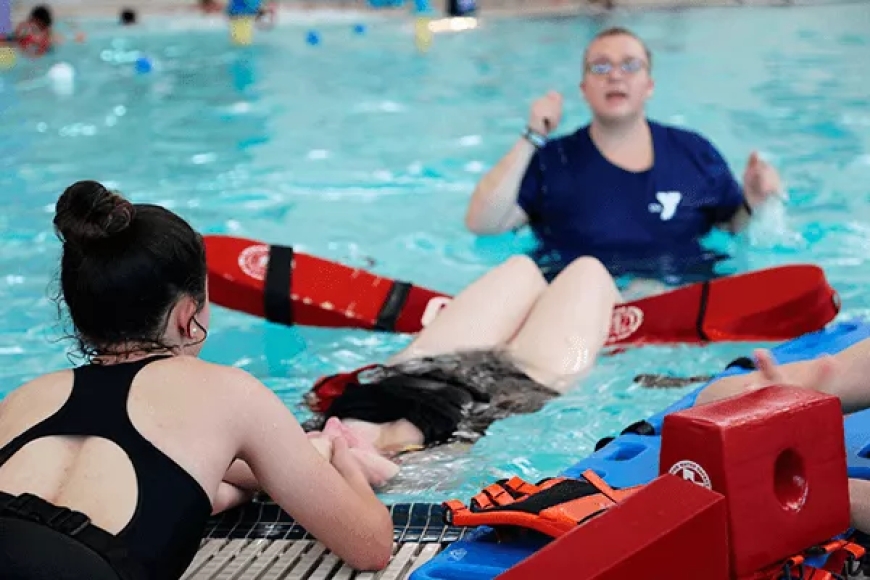
When most people picture a lifeguard, they imagine someone watching over a pool or beach under the sun. But behind the whistle and rescue tube is a safety professional whose training rivals some of the toughest emergency roles. Lifeguard training isnt just about swimming wellits about mastering medical, psychological, and physical skills under high pressure.
In this article, we explore why lifeguard training is far more intense than it appears, highlighting key areas that make this one of the most demanding safety professions today.
1. Physical Endurance Is Just the Beginning
Lifeguards are expected to perform at top physical capacity, but endurance in the water is only part of the equation. Trainees undergo rigorous conditioning involving timed swims, underwater retrieval drills, sprinting across sand or pool decks, and carrying weighted mannequins that simulate unconscious victims.
Why its tough:
A real rescue can mean pulling a panicked adult through choppy surf or deep water while avoiding injury to oneself. This requires stamina, upper body strength, and refined techniqueoften practiced repeatedly under timed, high-stress scenarios.
2. Split-Second Decision-Making Under Pressure
Lifeguards must scan crowded areas, identify subtle signs of distress, and act before a situation escalates. Their job demands a rapid response, often with limited or no verbal communication from the victim.
Why its tough:
Unlike many other safety roles, lifeguards can't afford hesitation. Situational awareness and critical thinking must be second nature. One wrong assessment can mean the difference between life and death.
3. Mastering Multiple Rescue Techniques
Training includes deep-water rescues, spinal injury responses, multiple victim scenarios, and in-water CPR. Lifeguards learn how to prioritize victims, control their own buoyancy, and execute rescues without compromising their own safety.
Why its tough:
Each environmentpools, lakes, oceansdemands specific skills. For example, beach lifeguards may need to navigate strong currents and rip tides, while pool lifeguards focus on rapid response in tight quarters.
4. CPR, AED, and First Aid Are Core Components
Every certified lifeguard must demonstrate proficiency in life-saving medical procedures. That includes CPR for adults, children, and infants, AED operation, treating wounds, managing spinal injuries, and recognizing signs of stroke or cardiac arrest.
Why its tough:
Unlike medical staff in hospitals, lifeguards often operate alone or with limited help. Theyre the firstand sometimes onlyline of defense. Practicing emergency medical care in wet environments, outdoors, or amidst distractions requires extreme precision and confidence.
5. Emotional and Mental Readiness
Lifeguards are trained to deal with emotionally charged incidents such as drownings, missing children, or even fatalities. They must remain composed, deliver assistance, and provide leadership until further help arrives.
Why its tough:
Mental fatigue, stress from high-stakes situations, and the need to manage public reactions (including distressed family members or crowds) add psychological weight that few anticipate before training begins.
6. Constant Vigilance and Monotony Management
One of the hardest parts of the job isnt the emergenciesits the silence between them. Lifeguards must maintain unwavering focus for hours, scanning the water with no distractions, often in harsh weather conditions.
Why its tough:
Complacency kills. The mind-numbing routine can lead to lapses in attention, which is why training often includes vigilance techniques, scanning patterns, and alertness drills to combat mental fatigue.
7. Legal and Ethical Responsibility
Lifeguards carry legal liability for the safety of everyone under their watch. They must follow local and national laws, understand rescue protocol, and maintain certifications to remain qualified.
Why its tough:
Every action (or inaction) during an incident could be scrutinized in a legal context. Lifeguards need to document rescues, adhere to professional standards, and stay informed about legal updatesall while performing high-stakes duties in real time.
8. Teamwork, Communication, and Leadership
Many rescues require coordination between multiple guards or outside emergency services. Trainees learn how to signal, delegate, and support their team efficiently, even in chaotic or loud environments.
Why its tough:
In an emergency, verbal communication may be impossible. Lifeguards are trained in hand signals, radio usage, and non-verbal cuesall while maintaining their primary duty of monitoring and assisting the victim.
9. Regular Recertification and Lifelong Learning
Skills decay quickly without practice. Lifeguards are required to renew certifications regularly and undergo skill checks to ensure they can still perform under pressure. Some areas also require continuing education in water safety or medical care.
Why its tough:
This is not a one-time training. Lifeguards must commit to continuous improvement, adapt to new standards, and sometimes requalify multiple times per yearespecially in professional settings.
10. Weather, Hazards, and Environmental Factors
Outdoor lifeguards deal with sun exposure, thunderstorms, high winds, marine life, and more. Pool lifeguards face slippery surfaces, chlorine-related health issues, and poorly-behaved swimmers.
Why its tough:
Environmental unpredictability is part of the job. Training includes how to respond to lightning protocols, manage large crowds during peak seasons, and operate under conditions that can rapidly change from calm to dangerous.
Conclusion: Not Just a JobA Frontline Lifesaving Profession
Lifeguard training near me is far more than a summer job requirement. Its an elite safety profession that requires intense preparation, mental fortitude, and high-level responsibility. These professionals are often first responders, medical assistants, and decision-makersall wrapped into one role.
Understanding the depth of their training helps raise awareness about the critical role lifeguards play in public safetyand why their expertise should never be underestimated.