



























Best Time to Visit Yamunotri – Plan Your Sacred Himalayan Getaway
Discover the best time to visit Yamunotri for a safe and sacred trip. Explore seasonal tips, weather guide, and travel advice for your Himalayan pilgrimage.

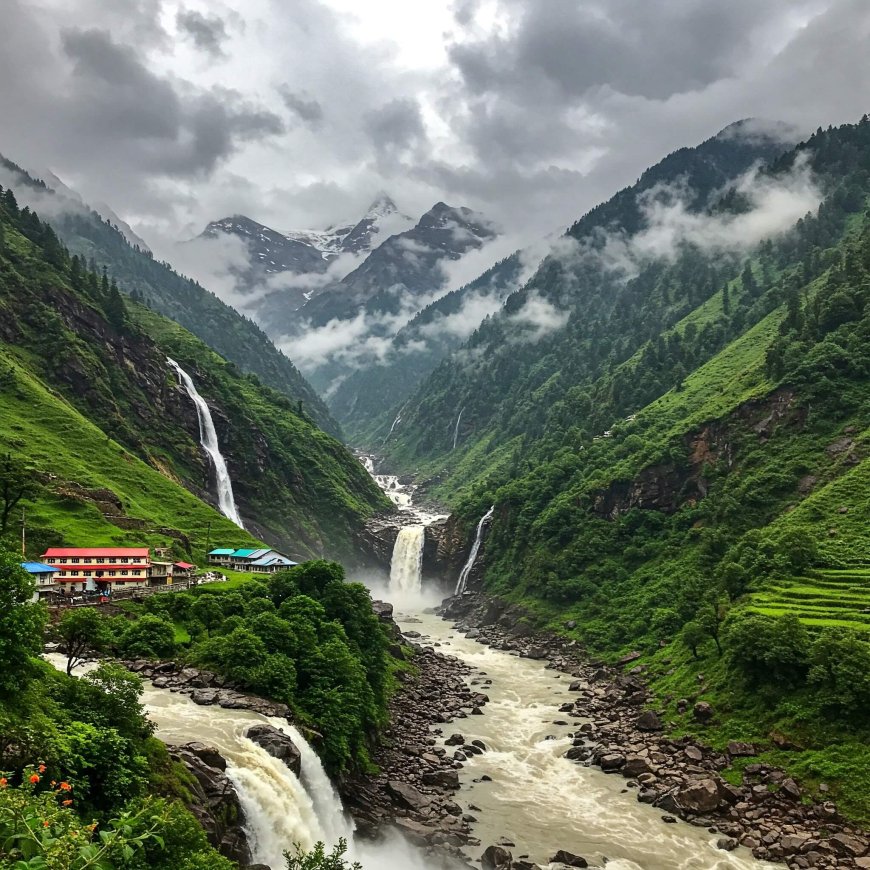
Are you planning a spiritual retreat or a nature-filled adventure in the Himalayas? If Yamunotri is on your travel list, youre about to embark on a journey that promises not only divine blessings but also breathtaking views of the Garhwal Himalayas. Before you pack your bags, its essential to understand the best time to visit Yamunotri so you can enjoy a safe, comfortable, and fulfilling experience.
Lets dive deep into everything you need to know about Yamunotris weather, seasonal highlights, and practical tips to make your trip truly unforgettable.
An Introduction to Yamunotri
Yamunotri is one of the four sacred Char Dham pilgrimage sites in Uttarakhand, dedicated to Goddess Yamuna. Perched at an altitude of around 3,293 meters (10,804 feet) above sea level, Yamunotri marks the origin of the Yamuna River. Surrounded by snow-clad peaks, verdant forests, and sparkling streams, the journey to Yamunotri is as soul-stirring as the destination itself.
Pilgrims from across India and the world visit Yamunotri to seek the blessings of Goddess Yamuna and to soak in the spiritual energy of this ancient temple. However, due to its high-altitude location, Yamunotri experiences distinct seasonal variations, making timing your visit crucial.
Best Time to Visit Yamunotri Season by Season Guide
1?? Summer Season (April to June)
-
Temperature: 6C to 20C
-
Highlights: Pleasant weather, clear skies, temple opening, lush scenery
The summer months from April to June are considered the best time to visit Yamunotri. This is when the snow begins to melt, revealing vibrant green valleys, colorful wildflowers, and gurgling mountain streams. The temple doors open on Akshaya Tritiya, a sacred day that usually falls in late April or early May.
During this period:
-
The weather is mild and comfortable for trekking and sightseeing.
-
The Yamunotri temple is accessible, and the footpaths are free of snow.
-
The region comes alive with pilgrims and travelers, creating a vibrant spiritual atmosphere.
? Tip: If you prefer fewer crowds, plan your trip for early May or mid-June before the monsoon clouds start gathering.
2?? Monsoon Season (July to August)
-
Temperature: 7C to 17C
-
Highlights: Lush greenery, waterfalls, high risk of landslides
While the monsoon brings a magical freshness to Yamunotri, with its forests and meadows glowing in rich green hues, its generally not recommended for travel. Heavy rains often lead to landslides, roadblocks, and slippery trekking paths, making the journey dangerous.
If you still decide to visit during this time:
-
Be prepared for travel delays.
-
Check the weather and road conditions before starting your trip.
-
Carry proper rain gear and sturdy footwear.
? Caution: The risk of flash floods and landslides is significant during this season. Many travelers and pilgrims choose to skip Yamunotri during the monsoon for safety reasons.
3?? Autumn Season (September to November)
-
Temperature: 5C to 15C
-
Highlights: Crisp mountain air, post-monsoon clarity, ideal trekking conditions
The post-monsoon months of September to early November offer another excellent window to visit Yamunotri. The rains subside, the skies clear up, and the region looks rejuvenated. Autumn paints the landscape with golden hues as leaves change color, creating picture-perfect scenery.
Why visit in autumn?
-
The weather is cool but not freezing, ideal for treks and temple visits.
-
The air is fresh and pure, offering spectacular views of the snow-capped Himalayas.
-
The crowds are thinner compared to summer, allowing for a more peaceful experience.
? Tip: Make sure to visit before mid-November as winter sets in rapidly, and the temple closes for the season.
4?? Winter Season (December to March)
-
Temperature: Sub-zero to 5C
-
Highlights: Heavy snowfall, temple closure, inaccessible routes
Winter at Yamunotri is harsh and severe. The entire region is buried under thick layers of snow, and the temple remains closed during these months. All routes to Yamunotri become impassable, and the area essentially enters hibernation.
If youre an experienced trekker or snow adventurer (with the right permits and preparation), the surrounding regions offer challenging expeditions. However, for general tourists and pilgrims, winter is not suitable for visiting Yamunotri.
? Note: The idol of Goddess Yamuna is moved to Kharsali village (the winter seat) during this time. Devotees can offer prayers there.
Why Timing Your Visit Matters
Choosing the right time to visit Yamunotri ensures:
-
Your safety on mountain roads and trekking paths.
-
Access to temple rituals and ceremonies.
-
The chance to fully enjoy the natural beauty of the Garhwal Himalayas.
Unfavorable weather can not only disrupt your travel plans but also pose serious risks in these remote, high-altitude regions.
Where to Stay Your Base at Yamunotri
? Yamunotri Cottages
For travelers seeking comfort and serenity, Yamunotri Cottages provides the ideal base for your pilgrimage or trekking adventure. Located amidst panoramic mountain views and divine tranquility, the cottages offer:
-
Warm hospitality with personalized service.
-
Cozy, clean, and well-equipped accommodations.
-
Easy access to the temple and trekking routes.
-
Healthy and hygienic meals to keep you energized.
After a long day of spiritual exploration or trekking, Yamunotri Cottages ensure you return to a peaceful haven.
Essential Travel Tips for Visiting Yamunotri
? Pack for the weather:
Even during summer, nights can be chilly at Yamunotri. Bring warm clothes, waterproof jackets, trekking shoes, gloves, and caps.
? Acclimatize well:
Give your body time to adjust to the altitude to avoid mountain sickness. Stay hydrated and avoid heavy exertion on the first day.
? Plan permits and guides:
If youre trekking or visiting nearby high-altitude spots, consider hiring a local guide and ensure you have necessary permissions.
? Health first:
Carry a basic medical kit, and consult your doctor if you have respiratory or cardiac conditions, as the altitude can trigger symptoms.
? Respect local customs:
Yamunotri is a sacred place. Dress modestly and follow temple protocols.
How to Reach Yamunotri
Yamunotri is well-connected by road to major towns like Dehradun, Rishikesh, Haridwar, and Uttarkashi.
-
By air: Nearest airport is Jolly Grant Airport (Dehradun), about 210 km away.
-
By rail: Nearest railway stations are at Dehradun or Rishikesh.
-
By road: From major cities, taxis and buses are available up to Janki Chatti, from where a 6 km trek leads you to the temple.
Summary Make Your Yamunotri Journey Memorable
? The best time to visit Yamunotri is during the summer (April to June) and autumn (September to November) seasons. These months offer pleasant weather, clear skies, and safe access to the temple.
? Avoid the monsoon due to landslide risks and the winter due to extreme cold and temple closure.
? Plan your stay at Yamunotri Cottages for a comfortable and spiritual experience surrounded by the Himalayan wilderness.
? Prepare well, respect the environment, and immerse yourself in the divine and natural wonders of this sacred destination.
Final Thought
Whether youre drawn by spiritual devotion, the thrill of trekking, or the sheer beauty of the Himalayas, Yamunotri promises a magical journey. Plan wisely, travel responsibly, and let the blessings of Goddess Yamuna guide your path.