

























Best Practices for Worker Participation in Identifying Hazards

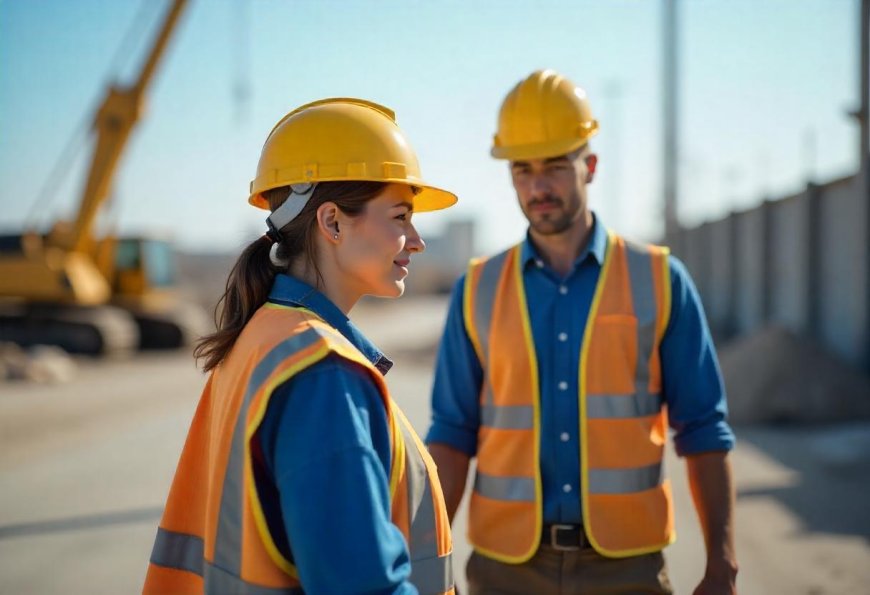
When it comes to keeping workplaces safe, one of the smartest moves any employer can make is to actively involve workers in spotting dangers. After all, who knows the daily risks better than the people facing them every day? In this guide, youll learn practical steps, real-life examples, and proven ways to encourage employees to speak up and help build a safer work environment.
Many companies invest heavily in safety courses and certifications like NEBOSH to ensure their teams are well-equipped. While the NEBOSH Feemay seem like an expense at first, it often pays back many times over by reducing workplace accidents and building a strong culture of safety.
Why Worker Participation Matters
Imagine this: A small manufacturing company once had a machine that regularly jammed. The workers who operated it knew exactly when it was likely to fail and how to fix it. But since they werent encouraged to share their insights, management never heard about the issue until someone got hurt. This is why worker input is critical.
When employees feel comfortable pointing out hazards, small issues are fixed before they turn into serious accidents. This saves lives, money, and time lost to investigations and insurance claims.
How to Get Workers Involved: A Step-by-Step Guide
Lets break down practical ways you can bring workers into the safety conversation.
1. Build Trust and Openness
Trust is the foundation. Workers wont raise safety concerns if they fear blame or punishment. Start by:
-
Holding regular meetings where everyone can speak freely.
-
Ensuring no one faces backlash for reporting issues.
-
Sharing stories where reporting a hazard prevented harm.
When a warehouse manager, for example, shared how a new worker pointed out a wobbly shelf that nearly collapsed, it inspired others to speak up too.
2. Provide Easy Reporting Tools
Sometimes, workers spot hazards but dont know how to report them. Make it simple:
-
Use suggestion boxes.
-
Set up a hotline or email.
-
Allow anonymous reporting.
Some companies even use mobile apps where workers can snap a photo of a hazard and send it instantly.
3. Train Everyone to Spot Hazards
Not everyone knows what a hazard looks like. Short training sessions can help. Many companies include modules from trusted safety training like NEBOSH, which, despite the NEBOSH Fee, is seen as a worthwhile investment for raising awareness and skills.
Workers should learn to look for:
-
Slippery floors
-
Loose cables
-
Faulty equipment
-
Unsafe work habits
Its amazing how many hidden dangers become visible once people know what to look for.
4. Encourage Team Inspections
Safety inspections shouldnt be left to managers alone. Create teams that include employees from different roles. Rotate members so everyone gets involved.
A food factory once formed small mixed teams that walked through the facility every Friday. Within weeks, they found and fixed leaks, blocked exits, and broken alarms that had been overlooked for years.
5. Reward and Recognize Participation
People love being appreciated. Celebrate workers who raise valid concerns. Small rewards, thank-you notes, or even a mention in a meeting can make a big difference.
One office introduced a Safety Hero badge each month. Soon, staff were competing to find and report hazards first!
6. Close the Feedback Loop
Nothing kills participation faster than feeling ignored. If someone reports a hazard, act on it and tell them what you did. Even if you cant fix it immediately, update them on progress.
For instance, if an employee reports a broken light in a stairwell, dont just fix it quietly. Thank them and announce at the next meeting that the repair was done because someone cared enough to speak up.
7. Learn from Incidents Together
When accidents happen, involve workers in investigations. Ask them:
-
What went wrong?
-
What could have prevented it?
-
How can we stop it from happening again?
This shared learning helps build a culture where everyone feels responsible for safety.
Common Mistakes to Avoid
While encouraging worker participation sounds simple, some pitfalls can ruin the effort:
-
Blaming workers: If people fear getting in trouble, theyll hide problems.
-
Ignoring reports: If nothing happens after someone raises an issue, theyll stop trying.
-
Complicated processes: Long forms or confusing procedures turn people away.
Keep it simple, respectful, and action-oriented.
Real Stories: How Participation Saves Lives
Lets look at a few real examples:
Example 1: A janitor noticed that the chemical storage room door didnt close properly. He reported it, and the company fixed it. Months later, a small chemical spill occurred, but because the door shut tightly, toxic fumes didnt spread to other areas. One observation prevented a major disaster.
Example 2: A bus driver mentioned that a blind spot on a busy street corner made it hard to see pedestrians. After a quick check, the company adjusted the route and put up mirrors. No more near-misses.
These small actions add up to big results.
Tips for Different Workplaces
Different jobs have unique hazards. Here are a few examples:
-
Office workers: Encourage them to look for cluttered walkways, electrical hazards, or poor ergonomics.
-
Construction sites: Workers should check scaffolds, protective gear, and tool conditions.
-
Factories: Keep an eye on machinery, emergency exits, and chemical storage.
Tailor your safety discussions to what your people face every day.
Making Safety a Daily Habit
Worker participation shouldnt be a once-a-year thing. Make it part of daily life:
-
Begin meetings with a quick safety moment.
-
Add a hazard-spotting challenge during breaks.
-
Display posters reminding everyone how to report issues.
The more routine it becomes, the safer your workplace will be.
How Investing in Safety Training Helps
Many managers wonder whether paying the NEBOSH Fee is worth it. The answer is clear: training equips workers with the knowledge to protect themselves and others. Certified employees often spot hidden hazards that untrained eyes miss.
If youre serious about building a culture where everyone cares about safety, providing access to reputable training is one of the best steps you can take.
Read more about NEBOSH Fees and how investing in training can transform your safety culture.
Final Thoughts: A Safer Workplace Starts with You
At the end of the day, no manager or policy can see every danger. The best safety net is a team of people who look out for each other.
When you trust your workers, train them well, and make it easy to share concerns, you build a workplace where accidents are rare and people feel secure.
Start today. Talk to your team. Set up a suggestion box. Celebrate the first hazard report. Bit by bit, youll see a powerful change: a safer, happier, and more productive workplace for everyone.