

























Accurate Townhouse Renovation Cost Estimating
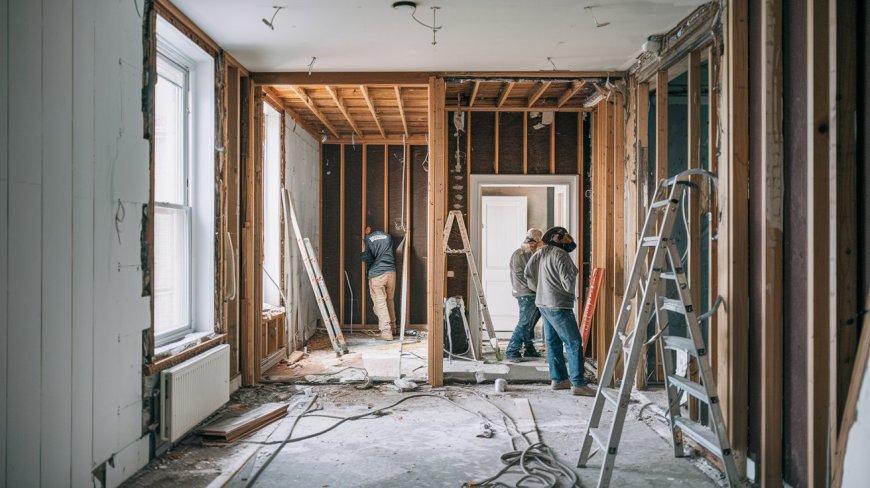
When it comes to transforming a townhouse, one of the most critical steps is understanding the cost implications. Renovating a townhouse isnt just about updating interiors or increasing property valueits about balancing creativity with cost-efficiency, vision with practicality. Whether you're looking to refresh a single room or overhaul the entire structure, accurate cost estimating is the backbone of a successful renovation journey.
Every townhouse tells a different story. Some are historic gems nestled in tight-knit urban neighborhoods; others are modern, compact dwellings designed for efficiency and style. This diversity means renovation costs can vary drastically based on age, layout, materials, labor, and even location. Yet, with careful planning and a detailed Residential Construction Cost Estimate, homeowners can avoid financial surprises and keep their projects on track.
The Importance of Precise Cost Estimation
Think of renovation estimating like creating a detailed map before setting out on a cross-country journey. Without one, you're likely to get lost, overspend, or hit unforeseen roadblocks. An accurate estimate offers clarity on labor, materials, permits, and timeline expectations. It sets the foundation for comparing contractor quotes, allocating budget effectively, and managing expectations from day one.
Many homeowners fall into the trap of underestimating costs. They often account only for surface-level changespainting, fixtures, flooringwhile ignoring behind-the-wall essentials like electrical upgrades, plumbing, or structural reinforcements. A smart estimate takes into account both visible and invisible costs to offer a full picture.
Key Factors That Influence Townhouse Renovation Costs
Renovating a townhouse is not a one-size-fits-all venture. Several elements influence the final budget, and overlooking even one can lead to miscalculations. Here are the major contributors:
1. Location Matters:
A townhouse in Manhattan will carry a different price tag than one in a smaller town. Urban renovations often involve higher permit fees, stricter zoning regulations, and elevated labor costs.
2. Scope of Work:
Are you doing a cosmetic update or a structural revamp? Painting and installing new cabinets cost significantly less than tearing down walls, relocating plumbing, or rebuilding staircases.
3. Age of the Building:
Older townhouses come with characterand challenges. Outdated wiring, asbestos, or non-compliant plumbing can increase costs unexpectedly.
4. Materials and Finishes:
Luxury materials like marble countertops or custom cabinetry can push costs higher. Choosing cost-effective alternatives without compromising on design is an art in itself.
5. Labor Costs:
Skilled labor, especially in metro areas, doesnt come cheap. Hiring licensed professionals might cost more initially but can save you from costly errors later.
6. Permits and Approvals:
Most major renovations require permits, and these come with fees. Inspections and approvals also add to timelines and expenses.
Common Renovation Areas and Their Average Costs
Lets walk through a typical townhouse and break down what various renovations might look like financially. These are ballpark figures that can shift based on your location and specific project needs.
Kitchen Remodel:
A modest kitchen update can start at $25,000, while a full luxury renovation might soar past $75,000. Appliances, countertops, cabinetry, and layout changes all contribute to the total.
Bathroom Renovation:
Expect to spend between $15,000 and $30,000 depending on size, materials, and plumbing needs. Waterproofing and tiling are two of the costliest components.
Flooring Installation:
Wood flooring averages $8$14 per square foot installed. Tile and carpet may cost less but can vary based on underlayment and prep work.
Basement Finishing:
Transforming an unfinished basement into a livable space could cost $50,000 or more, especially if it involves adding bathrooms or bedrooms.
Exterior Work:
Painting the exterior, repairing siding, replacing windows, or upgrading the roof can quickly add $10,000$40,000 depending on scope.
Tips for Keeping Your Renovation Within Budget
Even the most seasoned renovators face the risk of budget overruns. But by using these proven strategies, you can stay in control:
1. Plan Every Detail Upfront:
The more detailed your plan, the fewer the surprises. Spend time upfront finalizing layouts, choosing materials, and locking in quotes.
2. Always Add a Contingency Fund:
Include at least 1020% of your total budget as a buffer. This protects you from unexpected costs like mold remediation or foundation repair.
3. Prioritize Your Needs:
Make a clear distinction between must-haves and nice-to-haves. Focus on core structural or functional upgrades before decorative touches.
4. Phase Your Renovation:
If the budgets tight, consider breaking the renovation into phases. Start with high-impact areas like the kitchen or bathrooms before moving to secondary rooms.
5. Choose the Right Professionals:
Working with experienced contractors who understand townhouse structures is crucial. A well-versed professional can spot issues before they escalate and provide a realistic cost breakdown.
Using Technology for Smarter Estimates
Todays digital tools make it easier than ever to estimate renovation costs with greater accuracy. Homeowners and contractors alike use software that factors in regional labor rates, material prices, and project dimensions to generate realistic cost forecasts.
Some platforms allow users to build their own estimate, itemizing each component from demolition to fixtures. Others offer 3D visualization, helping homeowners see how their choices affect the overall budget. Leveraging these tools ensures transparency and reduces friction between you and your contractor.
The Role of Professional Estimators
For large-scale renovations or historic properties, bringing in a professional estimator can be a smart move. These experts specialize in preparing a comprehensive Residential Construction Cost Estimate tailored to your specific project, factoring in nuances that DIY tools might overlook.
A professional cost estimator helps bridge the gap between design dreams and construction realities. Theyre trained to identify hidden challenges and price them accurately, helping you avoid costly surprises mid-project.
Sustainability and Smart Renovation Choices
Another important element in modern townhouse renovations is sustainability. More homeowners are opting for eco-friendly solutionslow-VOC paints, energy-efficient appliances, and recycled materials. While the upfront costs for these might be slightly higher, the long-term savings in energy and maintenance often justify the investment.
Renovations that improve insulation, windows, and HVAC systems not only lower utility bills but can also make your home more attractive to future buyers. Cost estimating tools can now integrate these green components, allowing you to weigh both financial and environmental impacts.
Final Thoughts
Renovating a townhouse is an exciting, transformative journeybut one that requires thoughtful planning and realistic budgeting. Accurate cost estimation isnt just a financial necessityits a roadmap to making confident decisions and achieving the results you envision.
From understanding material choices and labor dynamics to embracing technology and expert insights, the key lies in being informed. Whether you're remodeling a century-old brownstone or modernizing a sleek, urban townhouse, the foundation of success starts with a strong and precise estimate.