



























A Detailed Guide to Snow Tire Chains!
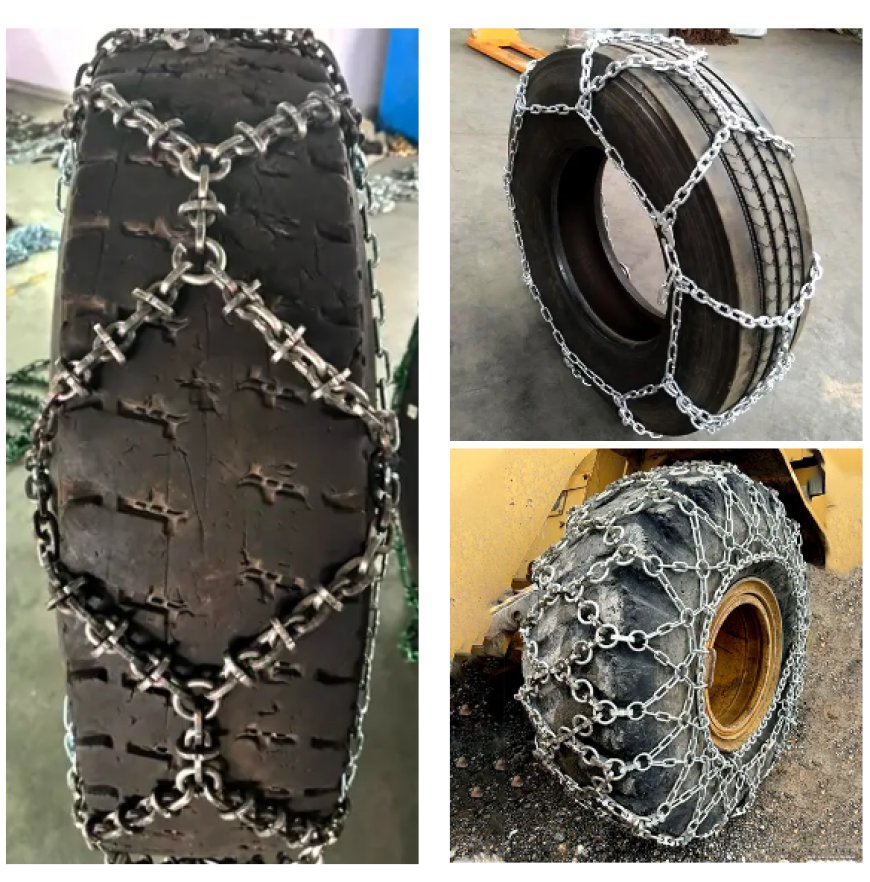
In locations where snow and ice are widespread on roads throughout the winter season (and sometimes in the fall and spring), driving conditions might worsen to the point where standard automobile tires are insufficient to keep drivers safe. Snow tire chains are used to increase grip and driving abilities on snowy or icy roadways.
Snow tires and snow chains are an affordable, temporary option for securely driving in thick or treacherous snow. If you reside in a hilly location, you should keep chains in your car throughout the winter, even if it is equipped with winter tires.
However, there is a significant misconception among drivers about the distinctions between snow chains and snow tires, as well as whether or not they are advised or required. The following is a basic method for answering these questions.
Snow Tires vs. Snow Chains.
Snow tires are available in two varieties: studless and with lightweight studs. Lightweight studs are metal studs inserted in the tread to provide traction in snow and ice. Studless tires boost grip by using diverse rubber compositions and tread patterns instead of metal. They are more handy than snow chains since you may put them on in the winter and not take them off until spring. It's normally advisable to acquire four snow tires rather than simply two.
Snow chains are webs of chain or cable that you attach to your driving wheels (typically the front wheels) after you are in snow country. They provide roughly as much grip as studded tires on ice and are typically more effective on snow than any other type of snow tire. They may be considered bothersome because you must put them on and off during the winter depending on traffic conditions. They are prohibited or discouraged in certain areas because they have the potential to damage road surfaces.
Are Snow Tire Chains Necessary?
The need for snow chains or snow tires is dependent on where you live and where you drive. The truth is that snow chains and snow tires improve winter driving safety. Every winter, there are accidents caused by cars that are not suitable to manage winter driving. It's usually cheaper to buy decent winter tires or snow chains than to replace a damaged automobile or pay for the injuries and damages caused by an accident.
A frequent misconception is that vehicles with 4-wheel drive (4WD) do not require snow tires or chains to properly travel on snow and ice. While there is little question that 4WD capacity is useful in bad winter road conditions, tests reveal that snow chains and snow tires were more effective than 4WD and that 4WD-capable cars profited substantially from the increased traction provided by snow chains and snow tires.
Types of Snow Tire Chains
Diamond Chains: The conventional kind, with strings of metal links arranged in a diamond shape. Provides improved traction because of the increased contact surface with the ground.
Ideal for: Frequent, heavy snowfall.
Cable Chains: Smaller, lighter links of spaced-out steel are attached to a chain that runs around the circumference of the wheel. The spacing between the cables makes it simpler to apply the brakes, which might be useful when you have less control due to icy circumstances.
Ideal for: Casual usage on mild snow.
Alternative: Instead of snow chains, snow socks wrap the tires with a thick cloth to improve grip while providing a much quieter ride. Another technique is to employ a thin yet strong mesh that provides high grip. Both solutions are simpler to install than traditional heavy chains and are lightweight, easy to store, and cost-effective.
Smaller automobiles and SUVs are best suited to snowy conditions.
Tips for Using Snow Tire Chains:
Avoid waiting for heavy snowfall. Install the chains as soon as snow falls to avoid future problems. If you're inexperienced, thick snow will just complicate an already difficult endeavor.
Prepare
-
Determine if your car has front, rear, or all-wheel drive.
-
Place the chains on the ground in front of the driving wheels. (All-wheel drive cars require chains on all four tires.)
-
If the chains have a tensioning system, position the mechanism on the exterior of the wheel for easy access.
-
Straighten and align the chains with the tire.
Attach
-
Slowly roll your car forward onto the chains before coming to a halt in the center.
-
Connect the fasteners on each chain.
-
Unless your chains are self-tightening, now is the moment to tighten them. They will be equipped with either a ratchet mechanism or rubber tighteners.
-
Run your palm back and forth along the top of the chains to ensure that the tires have sufficient space to roll.
Drive
-
Most manufacturers recommend a maximum speed of 30 mph with chains installed. (After all, if the road conditions need chains, you will be traveling slower regardless.)
-
If you drive too fast, your car's chains may break, scratching the exterior paint or causing tire damage.
-
Avoid hitting potholes since they might harm your car and the chains.
-
Be careful not to accelerate too quickly, since this might create tire spin and stress on the chains.
Remove
-
To avoid damaging your chains, always remove them before driving on asphalt again.
-
Drive the automobile ahead until the chain fasteners are on top of the wheel.
-
Release each fastening and place the chains on the ground.
-
Gently move the automobile off the chains.
-
Before storing the chains, properly wash them to eliminate any dirt, snow, or mud.
Conclusion
Follow these instructions, and you'll be a snow-chain expert in no time. Whether you're doing errands, traveling to work or school, or going to the mountains for leisure, you'll be prepared for any winter weather that comes your way.