Say Goodbye to Weeds: Benefits of Using a Weed Mat
Say Goodbye to Weeds: Benefits of Using a Weed Mat

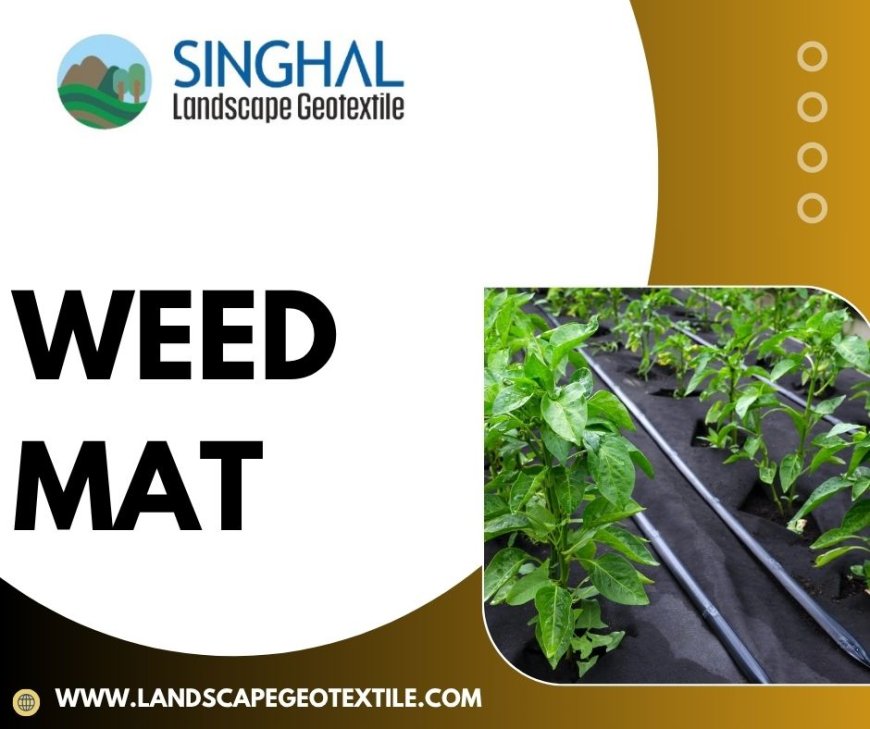
Both the experienced gardener who has spent years of service and the weekend enthusiast have one thing in common: the weed. The never-ending task of weeding by hand can be totally daunting, consuming vast amounts of time and energy which could otherwise be spent on enjoying the garden. This is where raw brilliance about a weed mat concept comes into play, providing an active, incredibly efficient, and long-lasting answer to the constantly recurring issue of intrusive plant growth, keeping your garden neat, colourful, and gloriously simple.
The Smart Mechanism of Weed Mats
Weed mat actually functions on the very basic principle of denying the weeds the one thing they absolutely cannot do without: sunlight. Constructed of heavy porous material, usually woven or non-woven polypropylene or other synthetic material, such mats are simply placed on the ground. By shading out the light, they keep weed seeds sown secretly in the ground from germinating and stop older established weeds from spreading. Most importantly, unlike rigid plastic sheeting which will smother the soil, a quality weed mat is permeable, enabling water, oxygen, and essential nutrients to penetrate and onto the ground below, to feed the roots of your chosen plants. This permits circumstances in which your garden-grown plants don't have to fight with weeds, developing healthier and stronger foliage.
A Multi-Dimensional Approach to Landscape Health
The advantages of using the application of a weed mat are far beyond simply prevention of repulsive weeds. By its function as a mulch to the soil, weed mat limits water evaporation, particularly on very hot and dry days or when under windy conditions. This implies less watering is needed, saving valuable water resources and lowering your bills. Furthermore, weed mats regulate soil temperature. Weed mats produce an insulating effect, maintaining the soil beneath cooler in extreme heat of summer temperatures, which is protective against root stress, and warmer in cool conditions, providing some degree of frost protection. This surrounding microclimate is highly beneficial to root establishment in plants and plant health as a whole. For gardeners who are concerned with sustainable gardening, the use of a weed mat also minimizes the use of chemical herbicides to a great extent, thereby promoting an organic and healthier gardening life.
Selecting and Fitting Your Weed Mat
The varied Best weed mat Australian climate tends to require a strong solution. When seeking the highest quality weed mat Australia can offer, look for woven material with UV stabilization since they will be in a better position to withstand intense sunlight and extended use. Sellers such as Mitre 10 weed mat products typically have various lines that vary from lighter spun-bonded material for beds that are replaced every year to heavier-duty woven material for permanent setups such as pathways or under artificial grass.
Once you have your preferred mat, proper installation is necessary for it to function. Start by having the ground cleared of weeds, rocks, and sharp trash that could pierce the material. Try to level the ground as best as possible to allow the mat to rest flat. Roll out the weed mat, overlapping edges by a minimum of 10-15 cm to avoid leaving any gaps for weeds to grow into. To fix the mat down, use Weed mat pins bunnings, usually packs, which are usually U-shaped metal or plastic stakes. The pins must be hammered through the mat into the ground, spaced out evenly along overlaps and edges, and around plant cut-outs. In order to cover great distances or windy ground, holding the mat at every 0.5 to 1 meter should give maximum stability. Companies like Singhal Landscape Geotextile produce all types of geotextile fabric, including weed mats, which are famous for their superior quality and performance in harsh conditions and are thus an excellent investment for all types of landscaping projects.
Long-Term Care and Sustainability
Weed mats certainly help cut garden maintenance but are not set-and-forget by any means. Every so often, it is a good idea to look at the mat for any rips or sections that may have been moved, especially after high winds or heavy rain. All that falls onto the surface of the mat, including shed leaves and bark, will need to be removed because this will rot and provide a new substrate for weed seeds floating in the air to germinate. Suffocating weeds under a layer of mulch, gravel, or decorative rocks covered by the weed mat beautifies your garden while exposing weeds to an additional layer of protection from This aggregate provides strong and low-maintenance landscaping that will remain new-looking for a long time.
Conclusion
The choice of adding a Mitre 10 weed mat to your landscaping and gardening efforts is an evolutionary process. It redirects the process from cyclic reactive weeding to a preventive, proactive process. The numerous advantages such as greater weed suppression, effective water conservation, uniform soil temperatures, and minimal chemical use all add up to a cleaner, healthier, and more vigorous garden. By selecting a good product and applying it carefully, you basically bid farewell to the endless drudgery of weeding, allowing you to devote your days simply enjoying the beauty and tranquility of your lush outdoor paradise.
FAQ
Q: Does a weed mat prevent all the weeds from growing?
A: A good weed mat does a good job of preventing a large portion of weeds from growing out of the seeds in the soil, but again, there is no solution that works 100% of the time. Once in a while, air borne seeds or seeds from animals and birds will land on top of the weed mat (especially if there is nothing covering it up, like mulch) and sprout there. These weeds will be much easier to take off since the roots won't penetrate the mat and establish so much into the ground below.
Q : Who is the Largest Manufacturer of Weed Mat ?
A: It is difficult to pinpoint a "biggest" global weed mat producer because the global landscape is diverisified as well and very fragmented, with an abundance of local and multi-national players. Nevertheless, some dominant geotextile and agriculture fabric manufacturers (as well as other manufactured product types) that also manufacture weed mats include Welpack Industries and Agriplast, for example in India. Singhal Landscape Geotextile, is also a significant manufacturer displaying a product portfolio of products under the umbrella of geotextile and including products that are structured as geotextiles from a product type aspect- the weed control mat for designated use.