



























7 Tips To Use the AC High Voltage Tester Safely
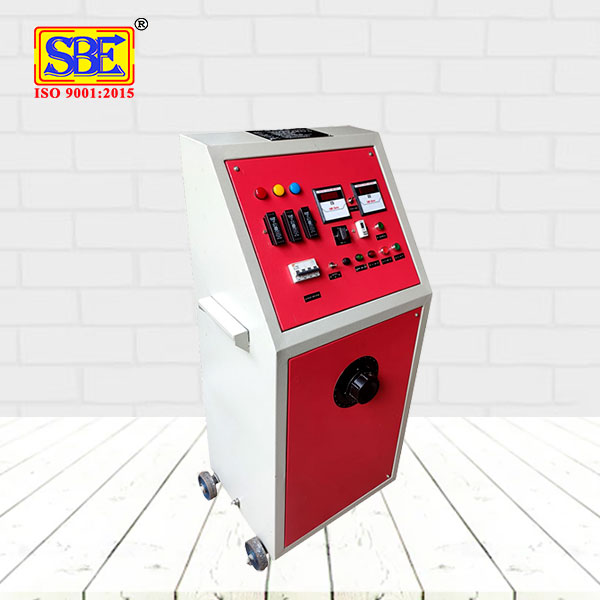
High voltage testing is a critical procedure when dealing with electrical equipment. One of the essential tools in this domain is the AC high-voltage tester, which is used to test the insulation strength of the electrical components. The nature of the AC high voltage tester is such that improper use can be very hazardous and can also lead to accidents. Safety is of utmost importance when dealing with heavy-duty electrical components, and thus, in this post, we will list down the tips on how to safely use the electrical equipment. But before that, let us understand what an AC high-voltage tester is.
What is an AC High Voltage Tester?
This equipment is also known as a dielectric strength tester. It is used to apply a high AC voltage to the electrical devices to verify their insulation integrity. This tester ensures that no breakdown occurs under normal or abnormal conditions. This test helps in identifying the weak spots in the insulation before the equipment is put into regular operation. Here are some of the problems that may occur due to improper use of the AC high voltage tester.
-
Electric Shock: Improper grounding or contact with test leads can lead to severe injury.
-
Fire Accidents: The uncontrollable voltage can lead to sparks, arcs, especially if the equipment functions in a highly flammable environment.
-
Equipment Damage: Sometimes, the incorrect settings can damage the device under test (DUT).
-
False Test Results: Sometimes, the inadequate testing methods can lead to faulty conclusions, failing the equipment.
Due to these dangers, strict adherence and proper handling of the tester are a must.
1. Familiarize Yourself With the Equipment:
Before operating any equipment, you must be well aware of its functioning. The same goes for the AC high-voltage tester. Each tester is different in terms of voltage range, current limits, and insulation resistance capabilities, among others. So, before you start operating the machine, go through the manufacturers manual thoroughly. Pay special attention to the operational procedures and the safety precautions. It will help you be prepared and perform the testing operations with utmost safety.
2. Inspect the Equipment & Accessories Before Use:
It's vital to inspect all the parts and their accessories for any wear and tear or cracks. Examine the insulation on the test leads to ensure that it is intact in its place and also suitable for the voltage level that you intend to use. Damaged cables or connectors can cause unintended arching or exposure to the live conductors. Therefore, it is essential to ensure that all cables are clean and properly connected.
3. Proper Grounding:
One of the major safety tips is grounding, which provides a safe path for the fault currents. It reduces the chances of an electric shock or internal equipment damage. Before starting the operations, always securely attach the tester ground terminal to the verified earth ground. Use the ground cables with low resistance and secure clamps, which will ensure that the operator is safe.
4. Wear PPE Kit:
PPE stands for personal protective equipment, which reduces the chances of injury. Insulated gloves while handling the high-voltage equipment, along with arc-rated clothing, are essential to resist the flames and extreme heat during the operations. Apart from that, safety glasses and a full-face shield are also essential if you are dealing with equipment that releases an extreme amount of heat and flames. This kit will ensure that you are safe during the operations.
5. Use in A Controlled Environment:
Perform high-voltage testing in a controlled environment away from area which has too much traffic and unauthorized personnel. When you are using the AC high-voltage tester, always mark the area as High voltage testing in progress. Shields in such areas will prevent any sort of accidental contact with the living. Always try to use the high-voltage testing equipment in an enclosed environment to reduce the risk to the surrounding people and environment.
6. Follow the Correct Test Procedure:
Always follow the manufacturers recommended testing procedure. You can start the process by securely connecting the leads and verifying that all the connections are correct. Set the voltage level and duration according to the specifications of the equipment that is being tested. But better start it from a low level, and then you can gradually increase the voltage to the desired temperature. It will ensure smooth and effective operations.
7. Use Remote Operation If Possible:
When testing the electrical equipment with the tester, it is vital to maintain a safe distance. If possible, try to perform the operations from a remote distance. It will reduce the risk of constant exposure to high voltage. On the other hand, if the remote handling of the machinery is not possible, wear the PPE mentioned above for your safety.
Final Words.
Using a high AC voltage tester may not look like a dangerous task to many, but it is an electricity reading gadget through which high voltage runs. So, for your safety, it is essential to follow the above-mentioned tips. Hopefully, this post was of help.
S.B.ELECTROTECH manufactures high-rated testing devices which are designed for safe operations even when dealing with high-voltage electricity. They make testing the heavy-duty electronic gadgets an easy job. The robust construction, along with the cutting-edge technology, guarantees accurate and consistent results.
Frequently Asked Questions:
-
What is the Role of the AC High Voltage Tester?
AC stands for alternating current. The AC high-voltage tester is a device that is used to assess the insulation strength of the electrical equipment under high-voltage conditions.
-
Why High Voltage Testing is Important?
-
It helps in identifying the potential weakness in the circuit, which could lead to fire breakouts.
-
Many industries need high-voltage testing to meet the safety and performance regulations.
-
It ensures that the machine is in good condition and will perform well in average conditions.
-
What Kind Of Equipment Requires High-Voltage Testing?
Some of the heavy-duty electrical equipment needs high voltage testing, like the transformers, circuit breakers, power cables, motors, switchgears, and insulators, among others.